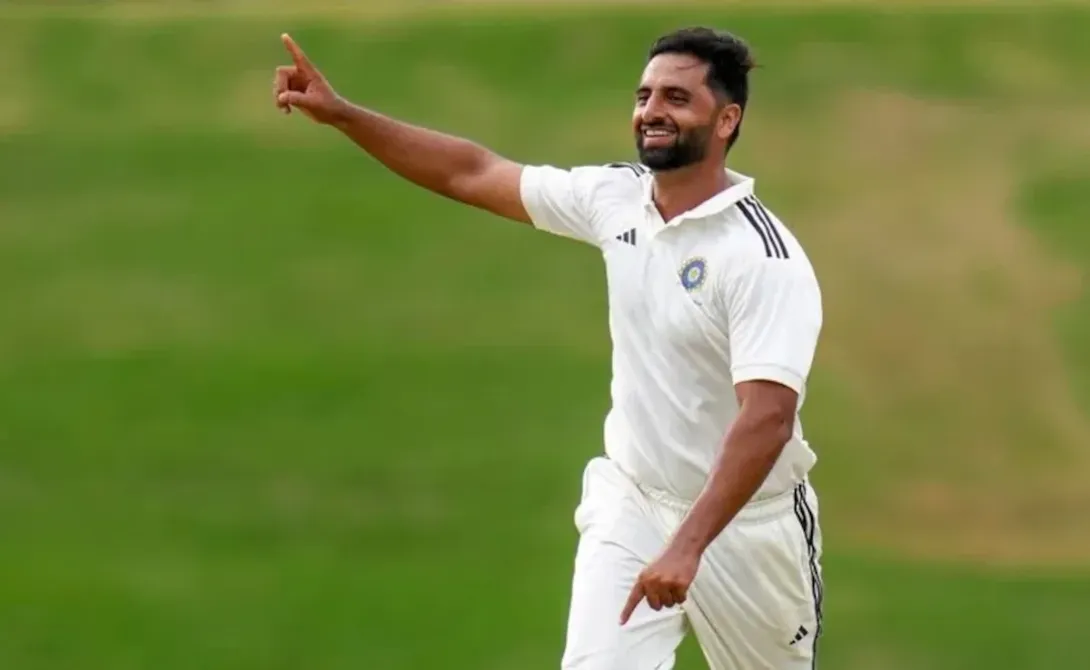
The Indian Premier League (IPL) continues to redefine the global sports business landscape, combining elite cricket with billion-rupee commercial influence. The 2026 season brings renewed competition among 10 franchises, each vying for sporting dominance and commercial prestige. With rising broadcast revenues, expanding digital audiences, and aggressive franchise strategies, the tournament has evolved into a powerful financial ecosystem. Teams are strengthening their squads, refining leadership structures, and investing heavily in analytics and player development. As the season unfolds, the IPL once again demonstrates how cricket, entertainment, and corporate investment can converge to create one of the most valuable sporting leagues in the world.
The IPL’s Expanding Influence in Global Sport
The Indian Premier League has become one of the most influential sporting competitions in the world, transforming cricket into a sophisticated commercial enterprise. Since its inception in 2008, the Twenty20 tournament has evolved from a domestic experiment into a global sporting brand attracting international players, corporate sponsors, and massive television audiences.
The 2026 edition of the tournament features 10 franchises competing in a high-intensity format across major Indian cities. Over several weeks, teams will battle through the league stage before the top four advance to the playoff rounds, culminating in the championship final.
What distinguishes the IPL from many other sporting competitions is its financial architecture. The league generates billions of rupees annually through broadcasting rights, sponsorship agreements, ticket sales, and merchandise. This commercial success has elevated franchise valuations and positioned the tournament among the most lucrative leagues in global sport.
Franchise Strategies and Competitive Dynamics
Each IPL season presents not only a sporting contest but also a strategic exercise in franchise management. Teams now rely heavily on analytics, scouting networks, and performance data to build balanced squads capable of sustaining performance across a demanding schedule.
Franchises such as Chennai Super Kings, Mumbai Indians, and Kolkata Knight Riders have historically set benchmarks in team management, combining experienced leadership with emerging talent. Meanwhile, newer teams including Gujarat Titans and Lucknow Super Giants are investing aggressively to establish long-term competitiveness.
Defending champions Royal Challengers Bengaluru enter the 2026 season with renewed confidence following their landmark title victory last year. Their management has focused on strengthening the squad while maintaining a stable leadership structure, reflecting a broader shift toward continuity and strategic planning within IPL franchises.
Broadcast Revenues and the Digital Transformation
The IPL’s economic success is closely tied to its broadcasting ecosystem. Media rights agreements for the tournament are valued in billions of rupees, reflecting the league’s unmatched ability to attract viewers across television and digital platforms.
Streaming services have dramatically expanded the IPL’s reach, particularly among younger audiences. Mobile streaming and digital subscriptions have transformed how fans consume cricket, enabling real-time engagement and personalized viewing experiences.
Industry analysts note that the league’s digital growth is creating new revenue streams, including targeted advertising, interactive content, and premium subscription models. This shift underscores the IPL’s ability to adapt to evolving media consumption trends.
Star Power and Cultural Impact
Beyond statistics and financial metrics, the IPL’s success is deeply rooted in its cultural influence. The league blends cricket with entertainment, celebrity endorsements, and large-scale fan engagement initiatives.
Star players remain central to the tournament’s appeal. Established international cricketers and emerging domestic talent share the same stage, creating narratives that captivate audiences across continents. Off-field developments — including sponsorship deals, brand collaborations, and social media activity — further amplify the league’s visibility.
This intersection of sport and entertainment has turned the IPL into a cultural phenomenon, drawing attention far beyond traditional cricket markets.
Economic Ripple Effects Across India
The financial impact of the IPL extends well beyond the cricket field. Host cities benefit from tourism, hospitality revenue, and employment opportunities generated during the tournament.
Hotels, transportation services, event management companies, and local businesses experience significant economic activity during match days. Analysts estimate that the IPL contributes billions of rupees annually to India’s broader sports and entertainment economy.
Additionally, the league has accelerated investment in stadium infrastructure, sports technology, and grassroots cricket development.
Outlook for the 2026 Season
As the 2026 season progresses, the IPL will once again test the competitive strength and managerial acumen of its franchises. Teams must balance aggressive tactics with long-term planning while navigating player workload, injuries, and shifting match conditions.
For investors, sponsors, and fans alike, the IPL represents more than a cricket tournament. It is a powerful commercial platform where sport, business, and entertainment intersect.
If current growth trends continue, the league’s influence on global cricket — and the economics of professional sport — is likely to expand even further in the years ahead.
Comments