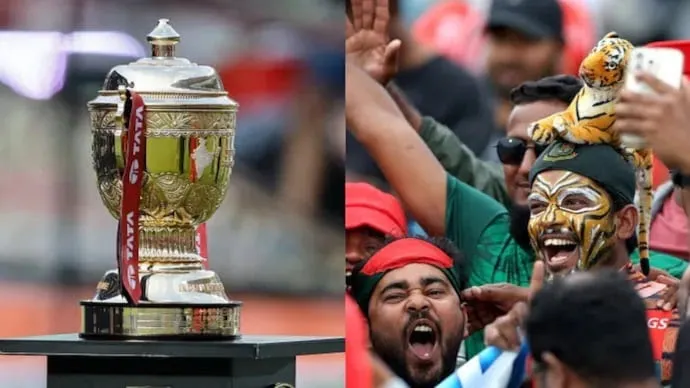
India’s media powerhouse JioStar has terminated its broadcasting agreement for the Indian Premier League (IPL) in Bangladesh, effectively eliminating official telecast of the 2026 season in the country. The decision comes despite signals from Bangladeshi authorities indicating a possible reversal of earlier restrictions imposed amid diplomatic tensions. The abrupt withdrawal underscores the fragility of cross-border media partnerships in politically sensitive environments. Beyond its immediate impact on cricket fans, the development carries significant economic implications, affecting advertising revenues, market penetration strategies, and the broader commercialization of sports broadcasting in South Asia.
A Major Market Disruption in Sports Broadcasting
The exit of JioStar from Bangladesh’s IPL ecosystem represents a substantial disruption in one of cricket’s most passionate markets. The IPL is not merely a sporting event; it is a multi-billion-rupee enterprise driven by advertising, sponsorships, and digital engagement.
Bangladesh has historically been a high-consumption market for cricket content, with strong television ratings and growing digital viewership. The absence of official broadcasts in 2026 is expected to create a vacuum, affecting both audience engagement and the monetization strategies of stakeholders tied to the league.
Regulatory Ambiguity and Strategic Withdrawal
The decision follows a period of regulatory uncertainty triggered by geopolitical tensions between India and Bangladesh. Earlier restrictions on IPL telecasts had created a challenging operating environment for rights holders.
Although authorities recently hinted at easing these constraints, the lack of formal clarity appears to have influenced JioStar’s decision to exit. In the media rights industry, predictability is paramount. Even short-term ambiguity can disrupt contractual obligations, prompting companies to adopt risk-averse strategies to protect long-term investments.
Economic Fallout Across the Value Chain
The broadcast blackout is likely to have cascading financial consequences. Advertisers lose access to a premium platform that guarantees high viewership, while broadcasters forgo potential revenue streams tied to subscription models and ad placements.
For the IPL ecosystem, reduced international visibility may translate into diminished brand exposure in a key neighboring market. This could indirectly affect sponsorship valuations and future bidding dynamics for media rights.
Geopolitics Meets Commercial Strategy
The episode highlights how sports broadcasting has become increasingly intertwined with geopolitical realities. What was once a purely commercial arrangement is now subject to diplomatic sensitivities and policy shifts.
For global media companies, this reinforces the need for diversified market strategies. Reliance on politically volatile regions can expose businesses to sudden disruptions, making geographic risk management a critical component of long-term planning.
Future Outlook: Rethinking Regional Media Expansion
Looking ahead, the IPL’s absence from Bangladesh may accelerate the exploration of alternative distribution channels, particularly digital streaming platforms that can bypass traditional regulatory hurdles.
At the same time, policymakers may face pressure to create a more stable regulatory environment to attract and retain international media investments. For Bangladesh, restoring access to premium cricket content could be essential to sustaining fan engagement and supporting the local sports economy.
Conclusion: A Turning Point for Cross-Border Sports Media
The termination of IPL broadcasting rights in Bangladesh marks a pivotal moment in the evolution of sports media in South Asia. It reflects a broader shift where commercial decisions are increasingly shaped by political context and regulatory certainty.
As the 2026 season approaches without a local broadcast solution, the incident serves as a cautionary tale for stakeholders navigating the complex intersection of sports, business, and geopolitics.
Comments