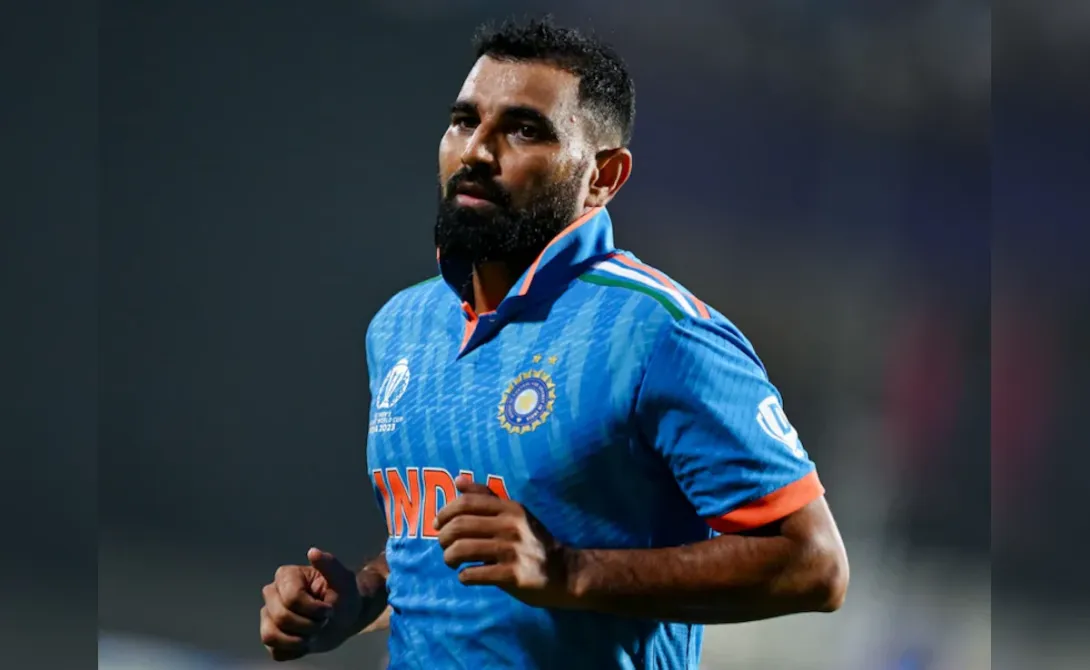
Veteran Indian pacer Mohammed Shami finds himself at a crossroads amid speculation about his potential retirement from international cricket. Despite consistently strong performances, Shami has faced limited selection opportunities, prompting debates on player management, team strategy, and the treatment of experienced athletes in Indian cricket. The situation highlights the intersection of career longevity, financial implications, and personal legacy, as well as the commercial and strategic considerations that franchises and national selectors weigh when balancing youth and experience. For investors, fans, and analysts, Shami’s predicament underscores the high-stakes environment of modern cricket, where performance, opportunity, and economics converge.
Limited Opportunities Despite Proven Performance
Mohammed Shami, one of India’s leading fast bowlers over the past decade, has recently faced a paradoxical situation: his international record remains formidable, yet opportunities for selection have dwindled. Consistent wicket-taking ability, particularly in Test and T20 formats, has positioned him among the country’s top pacers, yet the national team’s rotation policies and strategic emphasis on youth have restricted his appearances.
This scenario raises broader questions regarding talent management, performance metrics, and the balance between developing emerging players and retaining seasoned veterans. For an athlete whose career earnings and commercial endorsements partially rely on continued international exposure, such decisions carry both professional and financial weight.
Retirement Speculation and Strategic Considerations
Amid reports of potential retirement, Shami faces decisions that encompass more than personal preference. Beyond the emotional and sporting factors, retirement carries implications for contract payouts, brand engagements, and franchise valuation within domestic and international leagues, including the Indian Premier League.
Franchises consider player availability, longevity, and injury history when negotiating contracts. For Shami, who has historically commanded significant remuneration, the decision to continue or retire impacts both his financial portfolio and marketability. Analysts note that strategic retirement can sometimes enhance legacy value, while premature retirement may foreclose lucrative domestic opportunities.
Financial and Commercial Implications
Beyond on-field performance, Shami’s situation reflects broader economic realities of modern cricket. High-profile players are not only sporting assets but also revenue drivers, influencing ticket sales, sponsorships, merchandise, and media coverage.
Franchises in the IPL and other T20 leagues calculate player value based on anticipated match contributions and fan engagement. An experienced bowler like Shami, even if sidelined internationally, holds commercial significance, which could justify retention or incentivize franchise bids worth several Rs. crore.
Such dynamics illustrate the intertwined nature of performance, branding, and financial strategy in contemporary cricket.
The Human Dimension: Legacy and Personal Choice
While analytics and economics play a role, Shami’s predicament also emphasizes the personal and psychological aspects of professional sport. Decisions around retirement, selection disputes, or franchise commitments involve mental resilience, career satisfaction, and long-term legacy considerations.
Shami’s contributions to India’s cricketing successes, including pivotal wickets in key series, have established his reputation. How he navigates the next phase—whether extending his playing career, transitioning to mentorship, or managing brand ventures—will shape his lasting influence on the sport.
Conclusion: A Career at a Crossroads
Mohammed Shami’s situation embodies the modern athlete’s dilemma: balancing on-field excellence with off-field economic and strategic realities.
For selectors, franchises, and investors, his potential retirement is not merely a sporting event but a multifaceted business consideration. For fans, it represents the tension between loyalty to experienced players and the allure of emerging talent.
Ultimately, Shami’s next steps will reflect a nuanced interplay of performance, opportunity, and strategic financial planning—underscoring the evolving intersection of sport and enterprise in contemporary cricket.
Comments