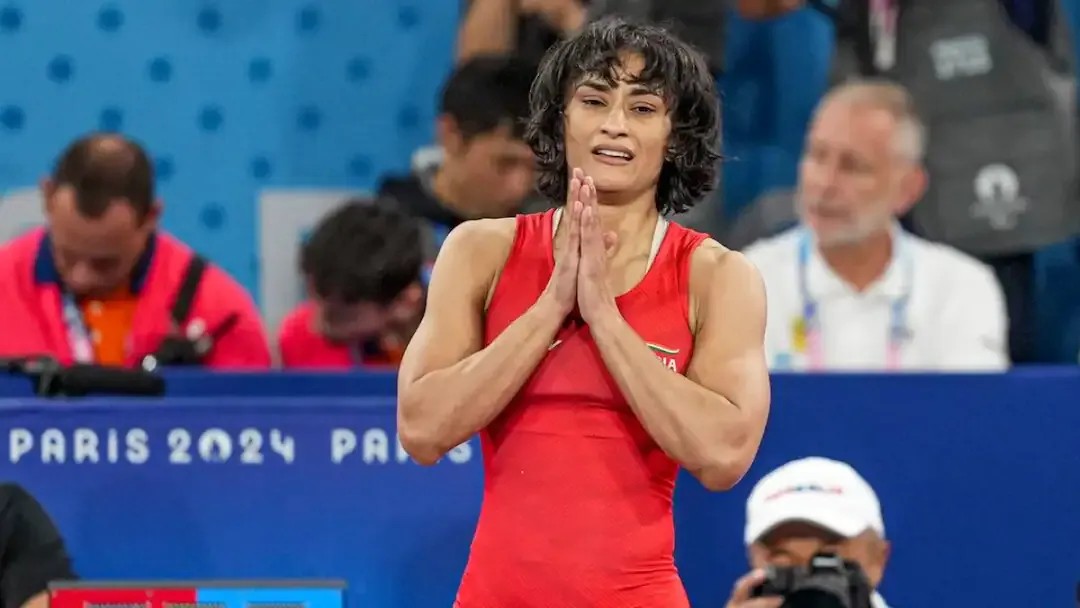
Indian wrestling star Vinesh Phogat has reignited controversy within the sport after alleging that her attempted return to competition is being obstructed. The Olympic medallist, who initially stepped away following disappointment at the Paris Olympics, reversed her retirement decision and resumed training in December. However, her inability to register for the upcoming National Open Ranking Tournament has raised questions about governance and transparency within Wrestling Federation of India. The development underscores broader challenges in sports administration, athlete management, and institutional accountability.
Comeback Plans Meet Administrative Hurdles
Vinesh Phogat’s return to competitive wrestling was expected to mark a significant chapter in her career, reflecting resilience after Olympic disappointment. Having resumed preparations with a clear focus on regaining competitive momentum, her inability to register for a key domestic tournament has disrupted those plans.
According to her statements, procedural barriers have prevented participation in the National Open Ranking Tournament, a critical platform for athletes seeking to re-establish themselves in the competitive circuit.
Governance Questions Resurface
The controversy places renewed scrutiny on the functioning of the Wrestling Federation of India. Administrative inefficiencies or lack of clarity in registration processes can have far-reaching consequences, particularly for elite athletes whose careers depend on timely access to competitive opportunities.
Such developments raise concerns about transparency, fairness, and adherence to governance standards within sports bodies, issues that have previously surfaced in Indian wrestling administration.
Impact on Athlete Career Trajectories
For athletes like Vinesh Phogat, interruptions in competitive participation can affect rankings, sponsorship prospects, and overall career progression. The inability to compete in key tournaments not only limits exposure but also disrupts performance cycles essential for maintaining peak form.
From a financial perspective, reduced visibility can impact endorsement opportunities and income streams, highlighting the interconnected nature of governance and athlete economics.
Broader Implications for Indian Sports Administration
The situation reflects systemic challenges that extend beyond a single athlete. Efficient governance frameworks are critical for ensuring that talent development pathways remain uninterrupted and merit-based.
Addressing such issues requires structural reforms, including streamlined registration systems, clear communication channels, and accountability mechanisms within federations.
Outlook: Resolution and Reform Needed
As the controversy unfolds, stakeholders will be closely monitoring the response from the Wrestling Federation of India. A timely and transparent resolution will be essential not only for Vinesh Phogat’s immediate future but also for restoring confidence in the administrative processes governing the sport.
In a broader context, the episode serves as a reminder that institutional efficiency is as vital as athletic excellence in shaping the success of Indian sports on the global stage.
Comments