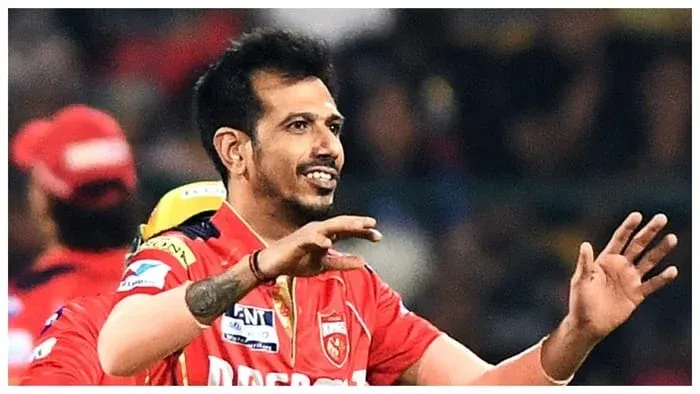
Indian leg-spinner Yuzvendra Chahal has announced a personal lifestyle shift, eliminating alcohol consumption to enhance fitness and performance for the upcoming Indian Premier League 2026 season. Analysts highlight that such behavioral adjustments reflect a growing trend among elite athletes who align off-field discipline with on-field excellence. Beyond physical conditioning, the move has implications for endurance, recovery, and overall athletic longevity, positioning Chahal as a model of professionalism. This decision also elevates his personal brand, demonstrating commitment and accountability—qualities that resonate with fans, franchises, and sponsors, while reinforcing the intersection of performance optimization and commercial marketability in modern cricket.
Lifestyle Change and Athletic Discipline
Chahal’s decision to quit alcohol is strategically aligned with the demands of T20 cricket. Reduced alcohol intake supports faster recovery, improved endurance, and better sleep quality, all critical for sustaining peak performance in a high-intensity tournament like the IPL.
Experts emphasize that modern athletes increasingly view lifestyle choices as integral to career longevity. By adopting disciplined routines, players not only improve physical metrics but also enhance mental clarity, focus, and decision-making on the field.
Performance Implications for IPL 2026
The leg-spinner’s focus on fitness and well-being can have tangible performance benefits. Improved stamina allows him to maintain high bowling intensity throughout matches, while enhanced agility supports fielding efficiency. Recovery gains reduce injury risk, ensuring consistent availability across the tournament.
Analysts note that such proactive approaches often translate into measurable competitive advantage, as athletes capable of sustained peak performance frequently influence match outcomes and team success.
Branding and Market Impact
Chahal’s lifestyle decision also carries commercial significance. Publicly demonstrating commitment to health and professionalism strengthens his personal brand, making him more appealing to franchises, sponsors, and fans.
In a market where athlete narratives increasingly influence endorsement deals and digital engagement, responsible lifestyle choices become part of a broader brand strategy. IPL franchises benefit when players embody values of discipline, resilience, and accountability, as these qualities enhance team image and marketability.
Broader Trends Among Elite Athletes
Chahal’s choice reflects a wider movement among professional sportspeople who prioritize wellness, nutrition, and fitness optimization. Teams and support staff increasingly integrate behavioral coaching, diet planning, and mental conditioning into overall training regimens, recognizing that off-field habits directly influence competitive performance.
Such holistic approaches align with global best practices in sports science, where longevity, consistency, and peak performance are achieved through disciplined lifestyle management alongside technical and tactical preparation.
Conclusion: Discipline as a Strategic Advantage
Yuzvendra Chahal’s decision to quit alcohol underscores the evolving role of personal discipline in professional cricket. By prioritizing fitness, recovery, and mental acuity, he not only optimizes his on-field performance but also strengthens his professional brand and commercial appeal.
As IPL 2026 approaches, his commitment exemplifies how lifestyle choices intersect with competitive advantage, reflecting the modern paradigm where athletic success and marketability are mutually reinforcing.
Comments