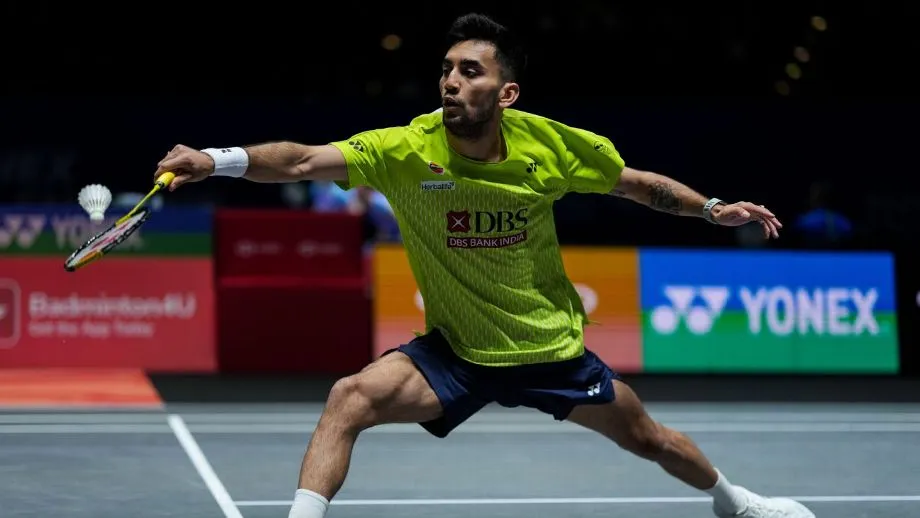
India’s sporting landscape in 2026 is entering a pivotal phase, marked by a dense calendar of high-stakes international competitions and domestic action. With marquee events such as the Commonwealth Games, Asian Games, and two Chess World Championships on the horizon, the year represents a critical opportunity for Indian athletes to consolidate global standing. The month of May, in particular, reflects the broader intensity, featuring a packed schedule across disciplines. As fan engagement rises and performance expectations grow, daily updates and centralized coverage platforms are becoming essential tools for tracking developments in an increasingly dynamic and competitive sporting ecosystem.
A Landmark Year for Indian Sports
The year 2026 is shaping up to be one of the most consequential periods in India’s modern sporting history. With multiple global tournaments scheduled across disciplines, the country’s athletes are preparing for sustained international exposure and heightened competitive pressure.
The upcoming Commonwealth Games and Asian Games are expected to serve as key performance benchmarks. These multi-sport events not only test athletic excellence but also reflect the effectiveness of India’s long-term investments in training infrastructure, sports science, and talent development. Meanwhile, the staging of two Chess World Championships underscores India’s growing influence in intellectual sports, particularly amid a new generation of globally competitive players.
Collectively, these events position 2026 as a year where India’s sporting ambitions will be rigorously evaluated on the world stage.
May: A Microcosm of Sporting Intensity
The month of May offers a condensed glimpse into the broader momentum of the year. Across disciplines—from cricket and athletics to badminton and wrestling—the schedule is densely packed with tournaments, bilateral series, and qualification events.
This concentration of fixtures highlights two parallel trends. First, the increasing professionalization of Indian sports, where athletes are now competing year-round rather than peaking for isolated tournaments. Second, the growing demand for real-time information among fans, analysts, and stakeholders who seek continuous updates on results, rankings, and performances.
Such a calendar leaves little room for complacency, requiring athletes to maintain peak physical and mental conditioning over extended periods.
The Rise of Integrated Sports Coverage
As the volume and complexity of sporting events increase, the role of centralized information platforms has become more critical. Daily sports blogs and digital trackers now function as essential ecosystems, aggregating news, scores, schedules, and expert commentary in one place.
This evolution reflects a broader shift in media consumption patterns. Audiences no longer rely solely on post-event summaries; instead, they demand continuous engagement, contextual insights, and instant access to developments across multiple sports.
For India, where sporting interest spans cricket, Olympic disciplines, and emerging leagues, such platforms bridge the gap between fragmented events and cohesive storytelling.
Strategic Implications for Indian Athletics
Beyond the excitement and spectacle, 2026 carries significant strategic implications. Performance at major international events will directly influence funding allocations, sponsorship flows, and policy decisions within India’s sports administration framework.
Strong showings at the Commonwealth and Asian Games could accelerate corporate investment and deepen grassroots participation. Conversely, underperformance may prompt structural reassessments, particularly in areas such as coaching standards, athlete welfare, and talent identification systems.
The inclusion of high-profile chess tournaments further signals diversification in India’s sporting priorities, expanding beyond traditional physical disciplines into domains where cognitive excellence plays a defining role.
Conclusion: A Year That Demands Attention
India’s sporting narrative in 2026 is not merely about medals or victories—it is about momentum, visibility, and global positioning. With a relentless calendar and rising expectations, the year demands sustained attention from fans, administrators, and investors alike.
As May’s packed schedule demonstrates, the pace of action leaves little margin for oversight. In this environment, timely and reliable updates are no longer a luxury but a necessity, ensuring that no defining moment goes unnoticed in what promises to be a transformative year for Indian sports.
Comments