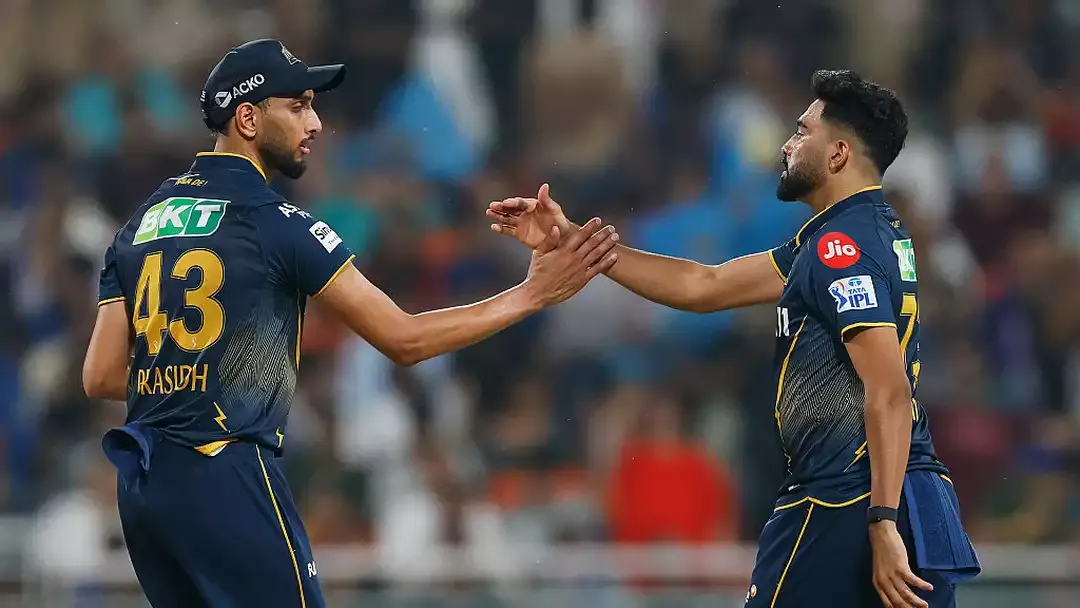
India's cricket management has opted to rest Mohammed Siraj from the upcoming T20I tours of Ireland and England as part of a carefully planned workload management strategy. The decision reflects the growing importance of player fitness and long-term squad planning in modern cricket. Fast bowler Prasidh Krishna has been drafted into the squad, earning an opportunity to strengthen his position in India's white-ball setup. The move follows an intensive period of cricket for Siraj across franchise and international competitions. As India prepares for a demanding international season, the decision highlights a broader focus on preserving key players while testing squad depth.
India Prioritises Player Management Over Short-Term Gains
Indian cricket's leadership has taken a proactive approach to managing its fast-bowling resources by granting Mohammed Siraj a period of rest ahead of the national team's upcoming T20 International assignments in Ireland and England.
The decision comes at a time when international cricket schedules are becoming increasingly demanding, requiring teams to balance competitiveness with player welfare. Siraj has emerged as one of India's most dependable pace bowlers across formats, making his physical fitness a critical component of the team's long-term plans.
Officials determined that a scheduled recovery period would be beneficial as India prepares for a season filled with bilateral series and major international commitments.
Prasidh Krishna Returns to the Spotlight
Stepping into the squad is Prasidh Krishna, a bowler who has consistently demonstrated his ability to trouble batters with pace and bounce. His inclusion provides selectors with an opportunity to assess alternative bowling combinations while maintaining squad competitiveness.
Krishna's return also reflects India's commitment to building depth in its pace department. With multiple tournaments and tours on the horizon, having a larger pool of match-ready fast bowlers could prove invaluable.
Although his appearances in T20 internationals have been limited, the experienced seamer has continued to perform at domestic and franchise levels, strengthening his credentials for another opportunity on the international stage.
Siraj's Heavy Workload Influenced the Decision
The decision to rest Siraj follows a particularly busy period in his cricketing calendar. The fast bowler participated extensively during the recent franchise season, featuring in every match for his team and delivering consistent performances throughout the campaign.
His workload extended beyond franchise cricket, as he was also involved in India's latest Test assignment. The cumulative demands of playing across formats can place significant strain on fast bowlers, increasing the risk of fatigue and injury.
Modern sports science increasingly supports strategic rest periods as a means of preserving peak performance and extending careers. India's latest move appears aligned with that philosophy.
Evolution of Squad Management in Modern Cricket
Cricket has undergone a dramatic transformation in recent years, with player workload becoming a central factor in selection decisions. Teams now rely on medical data, recovery metrics and performance analytics to determine player availability.
Rather than waiting for injuries to emerge, leading cricket nations are adopting preventative measures designed to reduce physical strain on key athletes. India's handling of Siraj reflects this evolving approach.
The strategy also enables younger or less-established players to gain valuable international exposure, strengthening the overall talent pipeline.
Opportunity and Responsibility for Krishna
For Prasidh Krishna, the upcoming tours represent more than just a temporary replacement role. They offer a platform to demonstrate his adaptability in the shortest format and potentially cement a more permanent position within India's white-ball plans.
Competition for places in India's pace attack remains intense, with several bowlers vying for limited opportunities. Strong performances against quality opposition could significantly enhance Krishna's standing ahead of future international tournaments.
Looking Ahead
India's decision to rest Mohammed Siraj underscores a growing emphasis on sustainable player management in elite sport. While his absence may leave a temporary gap in the bowling attack, the long-term benefits of preserving a key fast bowler could outweigh any short-term challenges.
At the same time, Prasidh Krishna's inclusion highlights the depth of India's pace resources and the team's willingness to invest in emerging options. As international cricket becomes increasingly demanding, strategic rotation policies are likely to remain a crucial element of India's pursuit of sustained success across all formats.
Comments