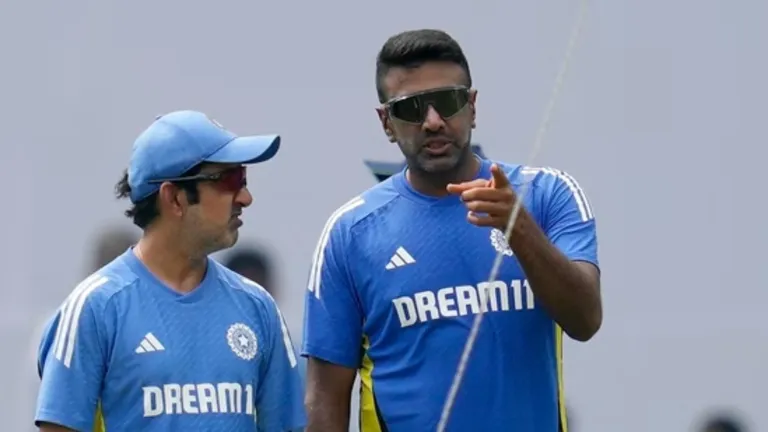
Veteran off-spinner Ravichandran Ashwin has offered thoughtful insights into the transformation of India national cricket team and the broader ecosystem of international cricket. Ashwin emphasized the growing depth of talent, the influence of franchise-based tournaments, and the importance of adaptability in modern formats of the game. His remarks highlight how data-driven strategies, fitness standards, and domestic leagues have reshaped the competitive landscape of Indian cricket. Analysts say the experienced bowler’s perspective reflects both admiration for the sport’s rapid evolution and a call for balanced development that preserves traditional cricketing values while embracing innovation.
Ashwin’s Perspective on Indian Cricket’s Transformation
One of India’s most accomplished cricketers, Ravichandran Ashwin, has shared his perspective on the remarkable evolution of Indian cricket over the past decade. The experienced off-spinner believes the modern game in India has become significantly more competitive, driven by a deeper talent pool and stronger infrastructure.
According to Ashwin, the transformation is evident across all formats of the sport. From Test matches to the fast-paced T20 format, Indian cricket has adapted to the changing demands of the global game.
The India national cricket team now competes with a level of consistency and depth that reflects years of investment in domestic cricket, training systems, and player development.
Impact of Franchise Cricket
Ashwin also highlighted the profound influence of franchise leagues such as the Indian Premier League on the development of Indian cricketers. The league has provided young players with exposure to international standards of competition, coaching, and professionalism.
Franchise tournaments have not only accelerated the learning curve for emerging players but also introduced new tactical dimensions to the game. Strategies involving match analytics, player matchups, and situational awareness have become central to modern cricket.
Ashwin noted that these developments have strengthened India’s ability to produce versatile players capable of performing across formats.
The Role of Data and Modern Strategy
Modern cricket increasingly relies on analytical insights and technology to guide decision-making. Ravichandran Ashwin acknowledged that data analysis now plays a critical role in shaping bowling plans, field placements, and batting strategies.
Teams frequently study player tendencies, pitch behavior, and match conditions to gain a competitive advantage. According to Ashwin, the integration of analytics into cricket reflects the sport’s gradual shift toward a more scientific and strategic framework.
However, he emphasized that while data provides valuable insights, intuition and on-field awareness remain essential components of success.
Balancing Tradition With Innovation
Despite the rapid modernization of cricket, Ashwin stressed the importance of preserving the traditional aspects of the sport—particularly the strategic depth and endurance associated with Test cricket.
The longest format, he argued, remains the ultimate examination of a cricketer’s skill, discipline, and mental resilience. Maintaining its relevance alongside the commercial success of shorter formats will be essential for the long-term health of the sport.
Observers believe Ashwin’s comments reflect a broader sentiment among senior players who seek a balance between cricket’s heritage and its evolving commercial landscape.
A Veteran’s Influence Beyond the Field
Beyond his performances with the ball, Ravichandran Ashwin has increasingly become an influential voice in cricketing discourse. Known for his analytical approach and thoughtful commentary, the veteran spinner frequently engages with fans and aspiring players on tactical aspects of the game.
His insights provide a rare glimpse into the strategic thinking that shapes elite-level cricket, making him one of the sport’s most respected thinkers.
As Indian cricket continues to evolve, perspectives from experienced players such as Ashwin offer valuable guidance on navigating the complexities of the modern game.
Looking Ahead
The reflections shared by Ravichandran Ashwin underscore the remarkable journey of Indian cricket from a regional powerhouse to a global leader in the sport. With a strong domestic structure, emerging talent, and expanding global influence, the India national cricket team appears well positioned for continued success.
At the same time, Ashwin’s comments serve as a reminder that progress in sport must be balanced with respect for tradition. As cricket enters a new era shaped by technology, commercialization, and evolving fan expectations, maintaining that balance will remain one of the game’s greatest challenges—and opportunities.
Comments