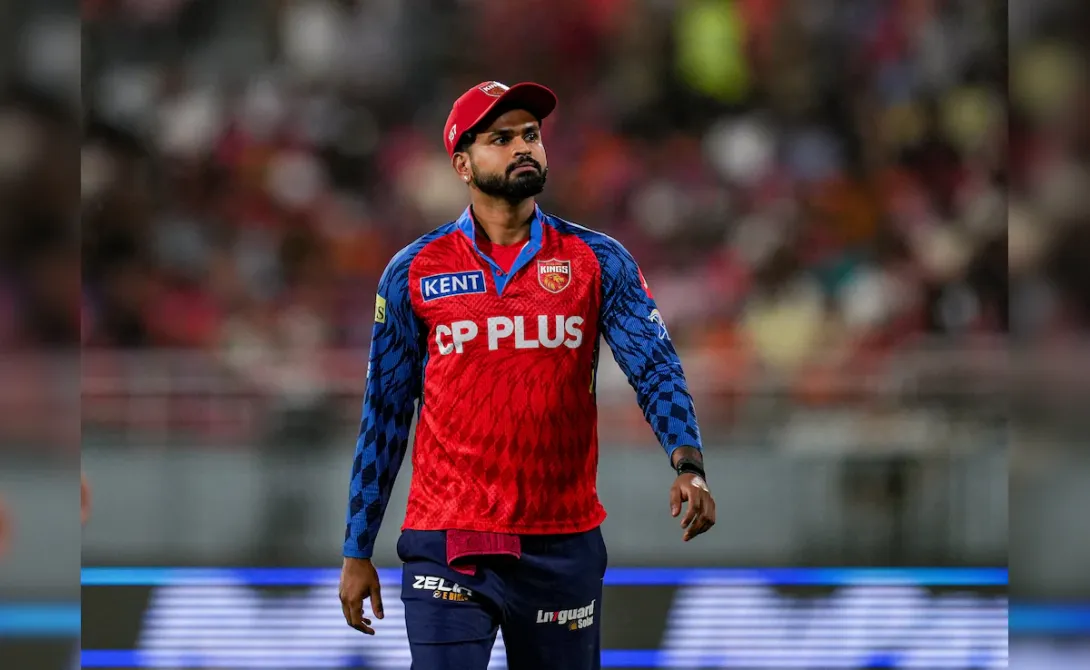
India’s cricket ecosystem is witnessing a strategic shift as the Board of Control for Cricket in India (BCCI) explores the creation of a 30–35 player pool capable of fielding two competitive T20 squads simultaneously. Driven by the Indian Premier League’s consistent production of match-ready talent, the move is aimed at addressing scheduling challenges posed by overlapping international commitments. With events such as the Asian Games coinciding with bilateral series, including a T20 tour against the West Indies, selectors are being compelled to rethink traditional squad structures. The initiative reflects a broader evolution toward depth, flexibility, and sustained global competitiveness.
Expanding the Talent Pipeline
The emergence of a deep and versatile talent pool has provided Indian cricket administrators with unprecedented strategic flexibility. The Board of Control for Cricket in India is now actively considering a broader squad framework, expanding beyond the traditional 15-player model.
This shift is largely fueled by the continued success of the Indian Premier League, which has become a high-performance incubator for emerging players. The league’s competitive intensity ensures that young cricketers enter the international pipeline with match readiness and tactical maturity.
Strategic Rationale Behind a Dual-Squad Model
The proposed 30–35 player pool is designed to address the growing complexity of the international cricket calendar. With overlapping commitments becoming increasingly common, India faces the challenge of maintaining competitive standards across multiple tournaments simultaneously.
A notable example is the scheduling conflict between the Asian Games and an upcoming T20 series against the West Indies. Such overlaps necessitate the ability to field two distinct yet competitive squads without compromising performance or player workload.
Operational and Performance Implications
Adopting a dual-squad strategy requires meticulous planning and coordination. Selectors will need to identify players capable of seamlessly transitioning between domestic and international formats while maintaining consistency under varying conditions.
From a performance perspective, this model enhances squad depth and reduces dependency on a fixed core group. It also provides opportunities for emerging players to gain international exposure, thereby accelerating their development and readiness for high-stakes competitions.
Economic and Commercial Dimensions
The expansion of India’s player pool carries significant commercial implications. A larger roster of internationally visible players increases marketability, driving endorsements, sponsorships, and fan engagement.
Moreover, the IPL’s role as a talent engine reinforces its position as a key revenue driver within the cricket economy. By aligning domestic league output with international strategy, the BCCI is effectively integrating sporting performance with financial sustainability.
Challenges and Governance Considerations
While the dual-squad approach offers clear advantages, it also introduces challenges related to workload management, team cohesion, and selection transparency. Ensuring consistency in performance across two squads will require robust governance frameworks and clear communication channels.
Additionally, maintaining a balance between experience and youth will be critical to sustaining competitiveness across formats and tournaments.
Conclusion
India’s move toward a dual T20 squad model reflects a forward-looking approach to modern cricket’s evolving demands. By leveraging its deep talent pool and the IPL’s developmental ecosystem, the Board of Control for Cricket in India is positioning itself to navigate scheduling complexities while maintaining global dominance. If executed effectively, this strategy could redefine squad management in international cricket, setting a benchmark for other cricketing nations to follow.
Comments