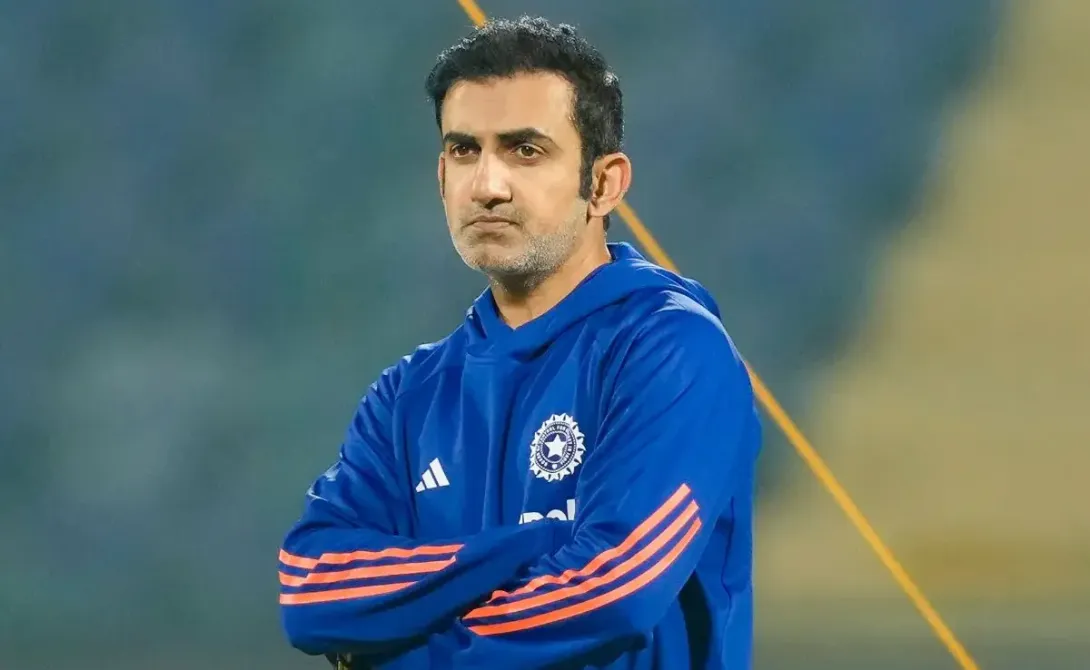
Gautam Gambhir remains one of the most influential yet divisive personalities in Indian cricket, with fresh comments from former India cricketer Atul Wassan reigniting debate around Gambhir’s intense leadership style and management approach. Wassan recently claimed that Gambhir’s “ego operates on a different level” and suggested that certain members within the Indian cricket setup may be uncomfortable with his methods, although no players were identified. The remarks have once again drawn public attention to Gambhir’s long-standing reputation for aggressive competitiveness and his historically tense relationship with Virat Kohli, highlighting broader questions surrounding leadership culture in elite sport.
Gautam Gambhir Continues to Divide Opinion in Indian Cricket
Few figures in modern Indian cricket evoke reactions as sharply divided as Gautam Gambhir.
Widely respected for his competitive intensity and major contributions to Indian cricket’s most successful era, Gambhir has simultaneously cultivated a reputation as one of the game’s most uncompromising personalities. His aggressive approach, both on and off the field, has frequently generated admiration as well as criticism.
The debate resurfaced recently after former India cricketer Atul Wassan made pointed observations regarding Gambhir’s personality and management style.
Wassan claimed that Gambhir’s “ego is on a different level” and suggested that some members within the Indian cricket environment are reportedly dissatisfied with aspects of his approach. Although Wassan refrained from naming specific individuals, his remarks immediately reignited broader conversations around leadership dynamics inside elite cricket systems.
The comments also revived public interest in Gambhir’s previously documented tensions with Virat Kohli.
Competitive Intensity Has Defined Gambhir’s Career
Gambhir’s cricketing journey has long been associated with fierce competitiveness and emotional intensity.
Throughout his playing career, he established himself as one of India’s most mentally resilient batters, delivering several defining performances in high-pressure tournaments. His contributions during India’s victories in the 2007 ICC World Twenty20 and the 2011 ODI World Cup remain central to his cricketing legacy.
However, Gambhir’s personality often proved as prominent as his performances.
Known for his blunt communication style and uncompromising attitude, he frequently projected an image of relentless competitiveness that separated him from many of his contemporaries. Supporters viewed those qualities as evidence of leadership and mental toughness, while critics occasionally interpreted them as confrontational or overly rigid.
That duality continues to shape public perceptions of Gambhir even after his transition into leadership and management roles.
Leadership Styles in Modern Cricket Under Increasing Scrutiny
The comments made by Wassan also reflect a broader conversation taking place across modern sport regarding leadership culture and player management.
Elite cricket has evolved significantly over the past decade, with greater emphasis now placed on emotional intelligence, communication, and collaborative dressing-room environments. Modern athletes increasingly expect management structures that balance authority with interpersonal understanding.
In such an environment, intensely authoritarian or highly confrontational leadership styles can become polarizing.
Sports psychologists and high-performance analysts frequently note that strong personalities can drive success in elite teams, but maintaining long-term dressing-room harmony requires careful balance. Excessively rigid environments may create internal friction even when competitive results remain strong.
Gambhir’s management style, according to critics, occasionally reflects the uncompromising intensity that defined his playing career. Supporters, however, argue that elite sport demands exactly that level of accountability and competitive aggression.
The divide illustrates how leadership in modern cricket is increasingly evaluated not only through results, but also through interpersonal management.
Virat Kohli Relationship Continues to Attract Attention
Any discussion involving Gambhir inevitably revives memories of his long and often complicated relationship with Virat Kohli.
Over the years, the two cricketers have shared several highly publicized on-field confrontations, most notably during IPL matches where competitive tensions spilled visibly into the public domain. Although both individuals have periodically attempted to downplay the significance of those incidents, the rivalry has remained a recurring theme in cricket discourse.
Wassan’s comments revisiting past friction between the two figures have once again fueled speculation regarding personal dynamics within Indian cricket circles.
However, analysts caution that high-profile disagreements between elite athletes are not uncommon in professional sport, particularly in environments shaped by extreme pressure, ambition, and public scrutiny.
In many cases, strong personalities coexist uneasily while still contributing effectively to team objectives.
Indian Cricket’s Leadership Ecosystem Continues to Evolve
The broader significance of the discussion lies in how Indian cricket continues to evolve institutionally.
Over the past two decades, the sport in India has transformed into one of the world’s most commercially powerful and professionally managed sporting ecosystems. With increased financial stakes, constant media attention, and year-round competition, leadership expectations within the national setup have become increasingly complex.
Modern coaches and support staff are now expected to manage not only tactics and performance, but also player psychology, workload management, media narratives, and dressing-room culture.
In that environment, personality-driven leadership models inevitably attract closer scrutiny than in previous eras.
Gambhir’s forceful approach therefore exists within a modern cricket ecosystem that increasingly prioritizes balance between competitive intensity and collaborative management.
Polarising Figures Often Shape Sporting Eras
Despite the criticism, Gambhir’s supporters argue that strong-willed personalities have historically played critical roles in shaping successful sporting cultures.
Many of cricket’s most influential leaders — both in India and internationally — have possessed uncompromising attitudes and demanding standards. Such individuals often divide opinion precisely because they challenge comfort zones and push teams toward higher performance expectations.
Gambhir’s defenders believe his intensity stems from a deep commitment to winning and accountability rather than personal ego alone.
Critics, meanwhile, argue that long-term success in modern team environments increasingly depends on adaptability, emotional balance, and effective relationship management.
The debate surrounding Gambhir therefore reflects a broader tension within professional sport between traditional hardline leadership and more modern collaborative models.
Public Debate Around Gambhir Unlikely to Fade
As Indian cricket continues navigating a period of transition and heightened scrutiny, discussions surrounding leadership personalities are unlikely to disappear.
Gautam Gambhir remains one of the sport’s most influential and outspoken figures — respected for his achievements, admired for his competitiveness, yet continually debated for his methods and demeanor.
The latest remarks from Atul Wassan have once again highlighted how strongly opinions remain divided regarding Gambhir’s approach to leadership and management.
Whether viewed as an uncompromising competitor or an excessively intense personality, Gambhir continues to command attention in Indian cricket — a reflection not only of his achievements, but also of the powerful and often polarizing legacy he has built within the sport.
Comments