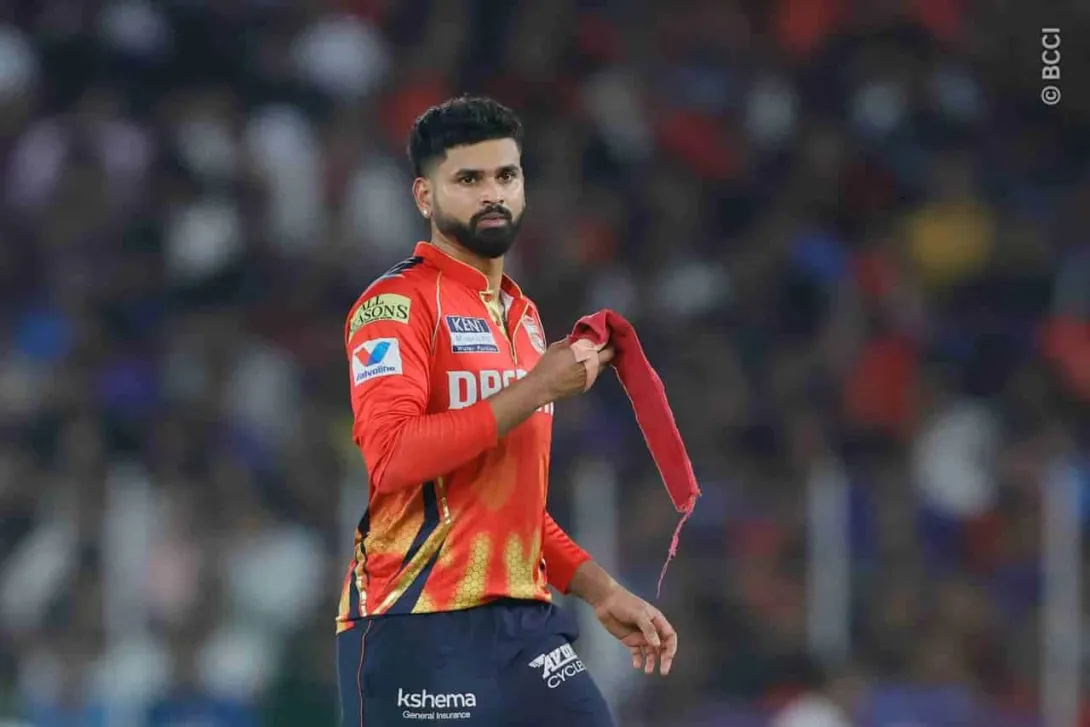
Former India cricketer and prominent commentator Aakash Chopra has sparked a fresh conversation about the leadership recognition of Shreyas Iyer in franchise cricket. Chopra recently highlighted the need to acknowledge Iyer’s tactical influence and leadership contributions, particularly within the high-pressure ecosystem of the Indian Premier League. As T20 cricket becomes increasingly strategic, the role of a captain extends beyond match-day decisions to include squad management, player confidence and long-term planning. The discussion reflects broader questions about how leadership is evaluated in modern cricket and whether captains consistently receive due credit for shaping team performance.
Aakash Chopra’s Remarks Stir Leadership Discussion
Cricket analyst and former India international Aakash Chopra has recently drawn attention to the leadership qualities of Shreyas Iyer, suggesting that the captain’s strategic contributions may not always receive the recognition they deserve.
Speaking during a cricket analysis segment, Chopra emphasized that Iyer’s influence as a leader often manifests in subtle but crucial tactical decisions. According to him, the ability to guide bowlers, manage field placements and maintain composure during pressure situations reflects a deeper level of cricketing intelligence.
Chopra’s observations quickly resonated across cricket circles, prompting renewed examination of Iyer’s captaincy record.
Shreyas Iyer’s Growing Leadership Profile
Over recent seasons, Shreyas Iyer has steadily built a reputation as a thoughtful and composed captain in the fast-paced environment of T20 cricket.
His leadership style is characterized by calm decision-making and effective communication with teammates. Unlike more demonstrative captains, Iyer often relies on quiet authority and tactical planning, attributes that many analysts believe are particularly valuable in the high-intensity atmosphere of franchise cricket.
These qualities have enabled him to guide teams through challenging phases while maintaining balance within the squad.
The Evolving Role of Captains in the IPL
The Indian Premier League has transformed the landscape of cricket leadership. Captains today are expected to perform a far broader role than simply making field adjustments during a match.
They must manage diverse squads composed of international stars and emerging domestic players, maintain morale during demanding schedules and collaborate closely with coaching staff on strategic planning.
In such an environment, the captain’s influence often extends well beyond visible match moments, shaping the overall culture and direction of a franchise.
Media Narratives and Leadership Recognition
One factor influencing how captaincy is perceived is the role of media narratives. High-profile captains associated with championship victories or superstar lineups often dominate headlines, leaving less visible leaders outside the spotlight.
Chopra’s comments highlight how analytical voices can help rebalance this narrative by drawing attention to leadership performances that might otherwise be overlooked.
By evaluating tactical awareness, team management and strategic foresight, analysts provide a more comprehensive perspective on captaincy effectiveness.
Commercial Dimensions of Leadership
In modern franchise cricket, leadership also carries commercial implications. Captains frequently represent their teams in sponsorship campaigns, promotional events and media engagements.
A strong leadership presence therefore contributes to both on-field success and off-field brand value. For players such as Shreyas Iyer, consistent captaincy performances can strengthen their professional profile and increase their long-term influence within the cricketing ecosystem.
Franchises increasingly recognize that leadership credibility can enhance fan engagement and market visibility.
Looking Ahead
As discussions around captaincy recognition continue, the spotlight on Shreyas Iyer reflects the growing importance of leadership evaluation in modern cricket. Commentary from figures such as Aakash Chopra encourages deeper analysis of the tactical and managerial contributions made by captains.
With the Indian Premier League continuing to expand as a global sporting enterprise, leaders capable of balancing strategy, composure and team unity will remain central to franchise success.
For Iyer, the ongoing debate may ultimately reinforce his reputation as one of the emerging strategic leaders in contemporary T20 cricket.
Comments