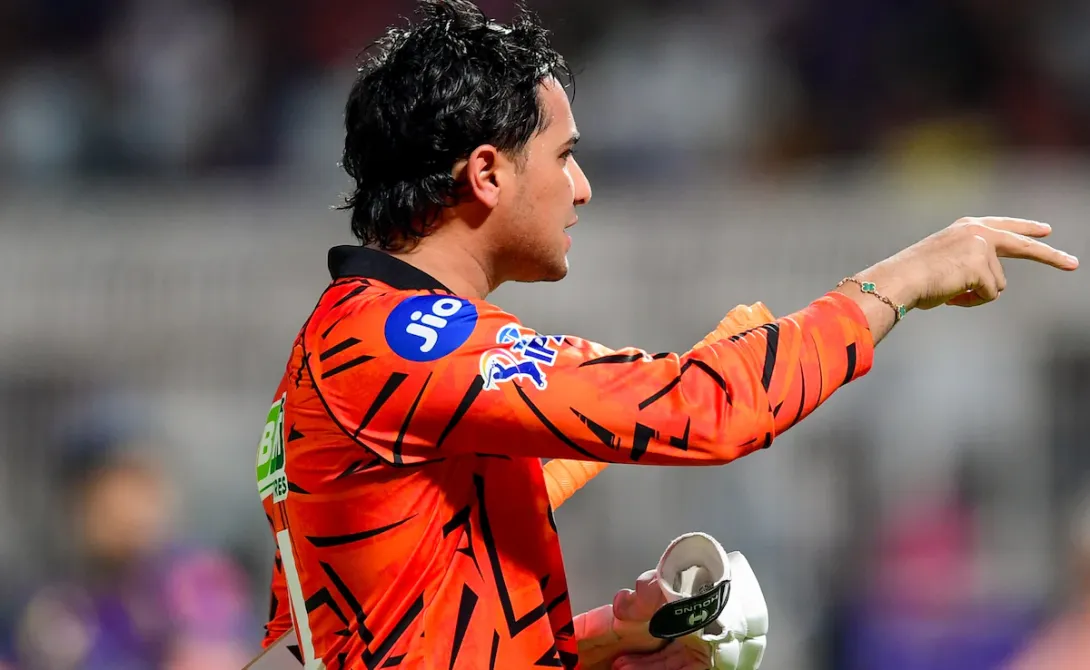
Abhishek Sharma has been fined 25 percent of his match fee following a breach of the Indian Premier League Code of Conduct, underscoring the league’s strict regulatory framework. The incident reflects the IPL’s zero-tolerance stance toward disciplinary violations, regardless of a player’s stature or performance. As the league continues to operate as a high-value sporting enterprise with significant financial and reputational stakes, such actions reaffirm its commitment to maintaining professionalism, integrity, and accountability across franchises and players.
Regulatory Enforcement in a High-Stakes League
The IPL’s disciplinary mechanisms are designed to preserve the integrity of a tournament valued at billions of rupees. The decision to penalize Abhishek Sharma signals a consistent application of rules that govern player behavior both on and off the field.
While the specific nature of the breach has not been elaborated in full detail, such penalties typically arise from actions deemed contrary to the spirit of the game—ranging from dissent toward officials to inappropriate on-field conduct. The fine of 25 percent of match fees reflects a Level 1 offense under IPL regulations.
Financial Implications of Disciplinary Actions
Although a 25 percent deduction may appear moderate, IPL match fees themselves are substantial, often forming a significant portion of a player’s seasonal earnings. For emerging players like Sharma, such penalties serve as both financial deterrents and professional reminders.
In a league where top-tier contracts can exceed Rs. 10 crore annually, maintaining discipline is not merely an ethical obligation but a financial imperative. Sponsors and franchise owners closely monitor player conduct, as reputational risks can directly influence commercial partnerships.
Governance, Brand Value, and Accountability
The IPL has evolved into a global sports business ecosystem, where governance standards are as critical as on-field performance. By enforcing its Code of Conduct rigorously, the league safeguards its brand equity and reinforces stakeholder confidence.
For franchises, incidents involving player misconduct can have broader implications, potentially affecting team image and fan perception. As a result, teams increasingly invest in behavioral coaching and leadership development alongside technical training.
The Role of Young Players in a Professional Ecosystem
Abhishek Sharma, regarded as a promising talent in Indian cricket, represents a new generation navigating the pressures of elite-level competition. The incident highlights the challenges young athletes face in balancing competitive intensity with professional decorum.
Such disciplinary actions, while punitive, often serve as learning opportunities. In a league as visible as the IPL, even minor infractions attract significant attention, making adherence to standards essential for long-term career sustainability.
Conclusion: Discipline as a Cornerstone of Commercial Sport
The fine imposed on Abhishek Sharma reinforces a broader truth about modern cricket: success is measured not only by performance metrics but also by professionalism and adherence to institutional norms.
As the IPL continues to expand its global footprint, maintaining strict governance will remain central to its credibility. For players, franchises, and stakeholders alike, discipline is no longer optional—it is integral to thriving in a multi-billion-rupee sporting enterprise.
Comments