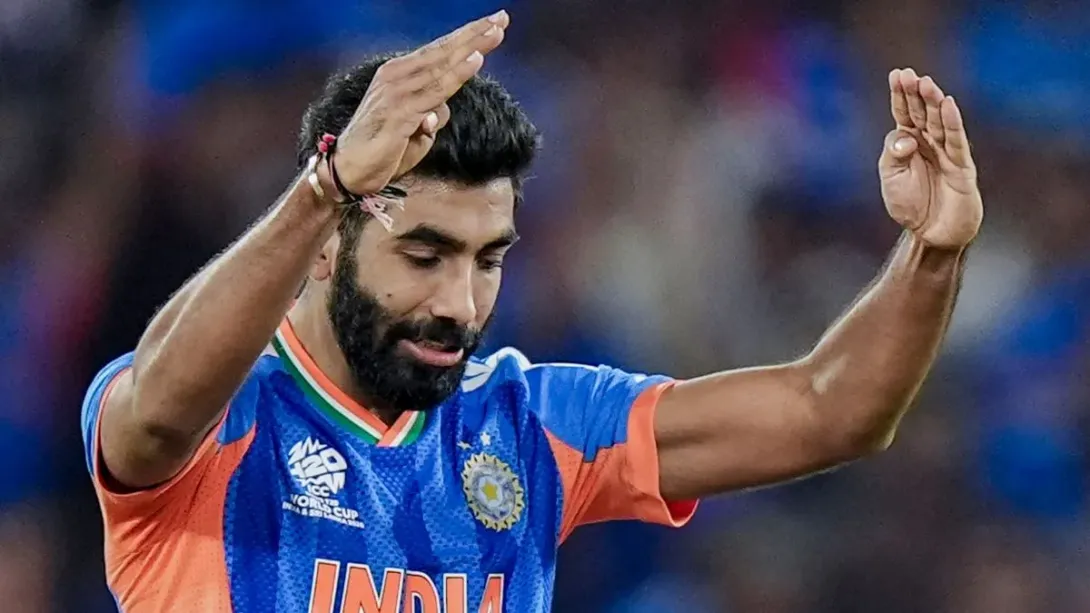
A renewed debate over player compensation has emerged within Indian cricket following discussions about the remuneration structure of the Board of Control for Cricket in India and its leading fast bowler Jasprit Bumrah. Observers note that while Bumrah remains one of the most influential figures in the India national cricket team, questions have surfaced regarding the disparity between central contract payments and the broader commercial value top players generate. The issue has reignited conversations about evolving compensation models in international cricket, where broadcasting revenues, franchise leagues, and sponsorship deals increasingly shape the financial dynamics of the sport.
Growing Discussion Around Cricket’s Pay Structure
Recent discussions within cricketing circles have brought attention to the compensation framework maintained by the Board of Control for Cricket in India. At the center of the debate is the remuneration received by star pacer Jasprit Bumrah, widely regarded as one of the most valuable players in the India national cricket team.
India’s central contract system categorizes players into graded salary brackets, with top-tier cricketers earning substantial annual retainers alongside match fees. However, the growing commercial value of international cricket has prompted analysts to question whether these structures fully reflect the economic impact generated by elite athletes.
As cricket evolves into a global entertainment industry, compensation models are increasingly scrutinized for their ability to reward players proportionately.
Bumrah’s Influence on Modern Indian Cricket
Few players have had as significant an impact on India’s bowling attack in recent years as Jasprit Bumrah. Known for his distinctive action, precision yorkers, and calm demeanor under pressure, the fast bowler has become a cornerstone of India’s success across all formats.
His performances in Test matches, One-Day Internationals, and T20 contests have repeatedly influenced match outcomes, often placing him among the most valuable players in the squad.
From a commercial perspective, Bumrah’s stature extends beyond the cricket field. His presence enhances viewership, brand partnerships, and fan engagement—elements that collectively contribute to the financial strength of Indian cricket.
Understanding the BCCI Contract System
The Board of Control for Cricket in India operates one of the most lucrative central contract systems in world cricket. Players are typically placed into four categories—commonly referred to as A+, A, B, and C grades—each associated with a fixed annual retainer.
Top-tier cricketers in the highest bracket reportedly receive around Rs. 7 crore annually, in addition to match fees for international fixtures. For instance, players earn approximately Rs. 15 lakh for each Test match, Rs. 6 lakh for a One-Day International, and Rs. 3 lakh for a T20 international appearance.
While these figures remain among the highest in global cricket, some analysts argue that they may not fully reflect the commercial value generated by marquee players who drive television ratings and sponsorship revenues.
Commercial Value vs. Traditional Contracts
Modern cricket operates within a rapidly expanding financial ecosystem. Broadcasting rights for international tournaments and domestic leagues—particularly the Indian Premier League—generate billions of rupees in revenue annually.
In this environment, star players such as Jasprit Bumrah often command substantial earnings through franchise contracts and endorsements, sometimes surpassing their central contract retainers.
This dynamic has prompted experts to suggest that governing bodies may eventually explore performance-linked or revenue-sharing models that more closely align player compensation with the sport’s growing commercial scale.
The Broader Conversation in Global Cricket
The debate surrounding compensation structures is not unique to India. Cricket boards worldwide face the challenge of balancing financial sustainability with fair remuneration for elite athletes.
With franchise leagues expanding globally and players increasingly participating in multiple tournaments, the traditional central contract model is undergoing gradual reassessment.
Sports economists suggest that future frameworks may incorporate more flexible incentives, performance bonuses, and long-term partnership arrangements between players and governing bodies.
Looking Ahead
For now, the Board of Control for Cricket in India continues to operate one of the most financially robust systems in international cricket. Yet the discussion surrounding Jasprit Bumrah’s compensation highlights a broader shift in how athletes, administrators, and fans perceive value in modern sport.
As cricket’s economic landscape continues to evolve—driven by broadcasting deals, digital engagement, and franchise leagues—the question of equitable compensation will likely remain an important topic within the global cricket community.
Comments