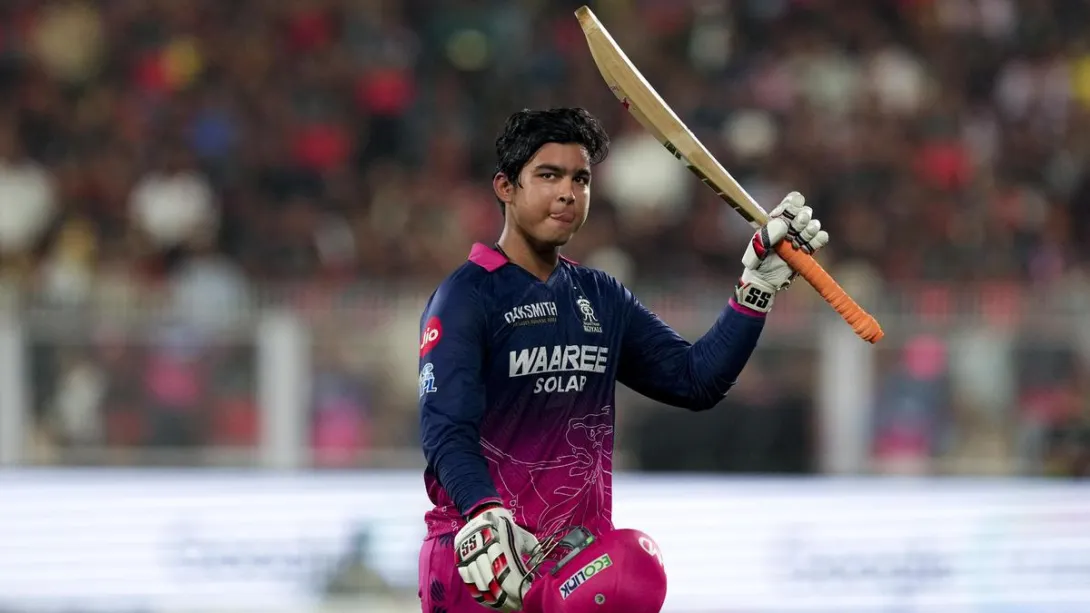
Vaibhav Sooryavanshi is increasingly drawing attention as a promising prospect within Royal Challengers Bengaluru, signaling a shift toward youth-driven squad development. While still early in his professional trajectory, his association with a high-profile franchise reflects confidence in his potential. For RCB, integrating emerging players aligns with a broader strategy focused on sustainability, talent grooming, and long-term competitiveness. In a league defined by high financial stakes and intense competition, such investments in youth not only strengthen squad depth but also enhance the franchise’s future value proposition.
RCB’s Strategic Shift Toward Youth Development
Royal Challengers Bengaluru has increasingly emphasized the importance of nurturing young talent as part of its long-term strategy. The inclusion of Vaibhav Sooryavanshi within the broader squad framework reflects this evolving philosophy.
In a tournament like the Indian Premier League, where performance cycles are short and expectations high, franchises are recognizing the value of building a sustainable talent pipeline. Investing in emerging players ensures continuity while balancing the cost pressures associated with marquee signings.
Vaibhav Sooryavanshi: A Prospect to Watch
Although still in the early stages of his professional journey, Vaibhav Sooryavanshi has shown attributes that align with modern T20 requirements—adaptability, composure, and technical versatility.
His presence within a competitive environment like RCB provides exposure to high-performance standards, advanced coaching systems, and experienced international players. Such an ecosystem can accelerate development and refine skill sets, positioning him for future opportunities at higher levels.
Financial Logic Behind Youth Investments
From a business perspective, the inclusion of young players like Sooryavanshi is not merely a sporting decision but also a financial one. Developing in-house talent offers cost efficiency compared to acquiring established stars at premium auction prices, often running into multi-crore valuations.
Moreover, successful young players can significantly enhance franchise valuation through increased fan engagement, merchandising opportunities, and long-term brand association. This dual benefit—performance and profitability—makes youth investment a strategic priority.
Competitive Dynamics in the IPL Ecosystem
The Indian Premier League has evolved into one of the most commercially lucrative sporting leagues globally. Within this ecosystem, franchises must balance immediate performance goals with long-term planning.
For Royal Challengers Bengaluru, integrating emerging talents into the squad creates flexibility in team composition while mitigating risks associated with over-reliance on star players. It also aligns with broader league trends, where franchises increasingly prioritize depth and adaptability.
Development Pathways and Future Outlook
The journey of Vaibhav Sooryavanshi will likely involve gradual integration into match scenarios, supported by consistent training and mentorship. Such structured progression is essential in ensuring that potential translates into performance.
For RCB, the focus will remain on creating an environment that balances opportunity with accountability. If managed effectively, players like Sooryavanshi could evolve into key contributors, strengthening both the team’s competitive standing and its long-term strategic outlook.
Conclusion
The emergence of Vaibhav Sooryavanshi within Royal Challengers Bengaluru underscores a broader shift toward sustainable team-building in the Indian Premier League. While immediate impact may be limited, the long-term benefits of such investments are substantial.
As the league continues to evolve, franchises that successfully integrate youth development with commercial strategy are likely to gain a competitive edge, positioning themselves for sustained success both on and off the field.
Comments