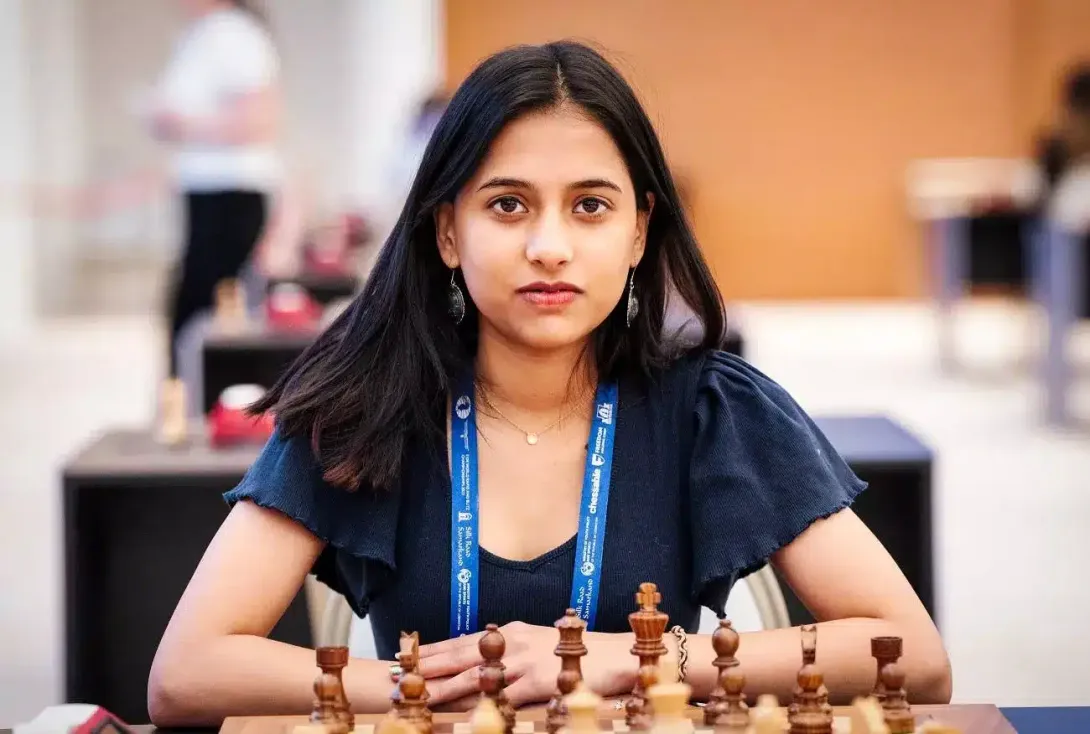
India’s participation in the FIDE Candidates Tournament 2026 continued to present a mixture of stability and challenge during Round 4. Rameshbabu Praggnanandhaa and Rameshbabu Vaishali secured composed draws, demonstrating disciplined strategy against elite competition. Meanwhile, Divya Deshmukh encountered her first loss in the women’s division, underscoring the intense level of competition at the tournament. As the event approaches its first rest day, the performances illustrate the razor-thin margins that define world-class chess, while highlighting India’s growing influence and depth in the global chess ecosystem.
A Critical Juncture in the Candidates Tournament
The Candidates Tournament organized by FIDE remains one of the most demanding competitions in professional chess, determining the challenger for the world championship title. Every match carries enormous strategic significance, with players balancing ambition and caution across multiple rounds.
Round 4 marked an important stage in the competition, arriving just before the tournament’s first rest day—a moment when players typically reassess strategies and refine preparation. For India’s contingent, the round produced a mixed set of results that reflected both resilience and the relentless pressure of elite competition.
Praggnanandhaa Demonstrates Strategic Composure
Praggnanandhaa, widely recognized as one of the most promising talents in global chess, delivered a composed performance to secure a draw in his fourth-round match. Known for his creative opening preparation and sharp tactical awareness, he adopted a balanced approach designed to neutralize his opponent’s attacking chances.
In tournaments of this magnitude, a well-calculated draw can often be as strategically valuable as a victory. By maintaining positional stability and avoiding unnecessary risks, Praggnanandhaa preserved his standing in the leaderboard while conserving energy for the demanding rounds ahead.
His performance once again highlighted the maturity and discipline that have defined his rise in international chess.
Vaishali Maintains Consistency in Women’s Section
In the women’s competition, Vaishali delivered a similarly measured performance. Her draw reflected strong defensive calculation and careful management of the board’s dynamics.
Consistency is often the cornerstone of success in round-robin tournaments like the Candidates. Rather than forcing aggressive tactics, Vaishali demonstrated patience, gradually steering the match toward a balanced endgame.
Such performances underline her ability to compete against top-tier players and maintain composure under intense pressure.
Divya Deshmukh Encounters a Difficult Round
For Divya Deshmukh, Round 4 proved more challenging. Despite entering the match with promising momentum, she ultimately suffered her first defeat of the tournament.
Losses at this level often hinge on subtle positional errors or misjudged calculations rather than dramatic mistakes. In elite chess, a single inaccurate move can shift the balance of the entire game.
However, setbacks are widely viewed by analysts as part of the learning curve for rising players. Competing against some of the strongest minds in the sport provides valuable experience that contributes to long-term development.
India’s Growing Influence in Global Chess
The presence of multiple Indian players at the Candidates Tournament reflects the country’s remarkable progress in chess over the past decade. Strong grassroots programs, world-class coaching, and digital training platforms have helped produce a new generation of grandmasters.
India’s success in the sport has also attracted increased corporate sponsorship and institutional backing, strengthening the financial ecosystem surrounding competitive chess. As international tournaments gain greater visibility and commercial interest, players from India are becoming increasingly prominent figures on the global stage.
This evolving landscape positions India as one of the most influential nations in contemporary chess.
Looking Ahead: Strategy After the Rest Day
With the first rest day approaching, competitors will take time to recover from the mental intensity of the opening rounds. Preparation teams will analyze previous games, refine opening strategies, and evaluate upcoming opponents.
For Praggnanandhaa, Vaishali, and Divya, the next rounds will be crucial in shaping their tournament trajectories. Each match will demand precision, patience, and psychological resilience.
While the early results reflect a mixture of stability and challenge, India’s representatives remain firmly within the competitive field. As the Candidates Tournament progresses, their performances will continue to attract attention from chess enthusiasts and analysts worldwide.
Comments