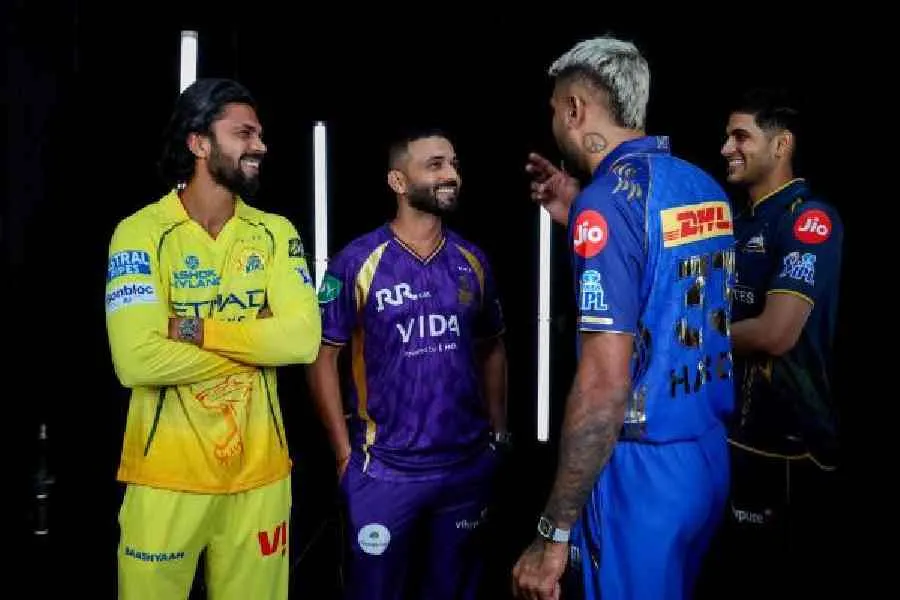
Ahead of the 2026 season of the Indian Premier League, team captains convened with league officials to review and discuss revised playing conditions designed to enhance competitive balance and improve match flow. The meeting focused on adjustments to on-field regulations, player workload management, and operational protocols that govern the tournament’s high-intensity format. With the IPL representing a multi-billion-rupee sports ecosystem, even minor regulatory tweaks carry significant implications for team strategy, broadcast dynamics, and fan engagement. The discussions underscore the league’s evolving governance framework as it continues to modernize cricket while maintaining its reputation as the sport’s premier commercial competition.
Strategic Dialogue Ahead of the Season
In preparation for the 2026 tournament, captains and senior representatives from all participating franchises gathered for a formal pre-season meeting organized by the Board of Control for Cricket in India (BCCI).
The annual captains’ conference serves as a critical forum where team leaders review updated regulations, clarify procedural matters, and align with the league’s broader operational guidelines. With the IPL widely regarded as the most commercially influential T20 competition in global cricket, maintaining clarity in playing conditions is essential to ensuring fairness and consistency throughout the season.
League administrators emphasized that the purpose of the meeting was not merely administrative but strategic — enabling teams to adapt their tactics to any regulatory adjustments before the tournament begins.
New Playing Conditions Under Consideration
Among the primary topics discussed were refinements to match-day regulations designed to accelerate game flow and enhance the spectator experience. IPL organizers have increasingly focused on improving the pace of play, particularly in response to concerns that lengthy interruptions or slow over rates could affect broadcasting schedules.
Captains also reviewed protocols surrounding player substitutions, fielding restrictions, and technology-assisted decision-making. As the IPL continues to integrate advanced analytics and broadcast technology, the interpretation of rules related to reviews and umpiring decisions remains an important area of discussion.
League officials indicated that the revised conditions aim to strike a balance between preserving the traditional integrity of cricket and adapting to the fast-paced entertainment format that has made the IPL globally popular.
Strategic Implications for Franchise Leadership
The meeting provided captains with an opportunity to evaluate how regulatory changes could influence team strategy. In modern franchise cricket, tactical decisions are increasingly data-driven, with teams relying on analytics to determine batting orders, bowling rotations, and field placements.
Captains such as Rohit Sharma and MS Dhoni — widely respected for their leadership experience — have historically played influential roles in shaping discussions around gameplay regulations. Their insights often reflect years of professional experience navigating high-pressure tournament conditions.
For franchises including Mumbai Indians, Chennai Super Kings, and Royal Challengers Bengaluru, understanding the nuances of revised rules could provide a subtle yet meaningful competitive advantage during the season.
Governance and the Business of Cricket
The captains’ meeting also highlights the IPL’s sophisticated governance model. Unlike traditional cricket tournaments, the league operates within a complex commercial framework that includes billion-rupee broadcasting contracts, global sponsorship agreements, and franchise investments.
Consequently, regulatory decisions are evaluated not only from a sporting perspective but also through the lens of commercial sustainability. Playing conditions must accommodate television production requirements, digital streaming demands, and fan engagement strategies.
Industry analysts often note that the IPL functions as both a sporting league and a business platform, where governance decisions influence revenue generation, brand value, and international appeal.
Enhancing the Fan Experience
Another recurring theme during the discussions was the importance of maintaining the IPL’s reputation as an entertainment-driven cricket spectacle. With millions of viewers watching matches across television and streaming platforms, the league continuously seeks ways to improve match excitement and narrative flow.
Adjustments to gameplay rules can help create more dynamic contests, reduce downtime, and encourage aggressive tactics from players. Such changes are particularly relevant in a format where momentum shifts quickly and fan engagement remains central to the tournament’s success.
Looking Ahead to the 2026 Season
As the 2026 IPL approaches, the outcomes of the captains’ meeting are expected to shape tactical approaches across all ten franchises. Even modest changes in playing conditions can influence decision-making under pressure, affecting everything from bowling strategies to late-innings batting plans.
For the BCCI, the discussions reaffirm the league’s commitment to continuous improvement and transparent governance. For fans and investors alike, the evolving regulatory framework signals that the IPL remains determined to refine its product while safeguarding the competitive integrity that has defined its success.
With teams finalizing preparations and captains aligning their strategies, the stage is set for another high-stakes season in cricket’s most influential franchise league.
Comments