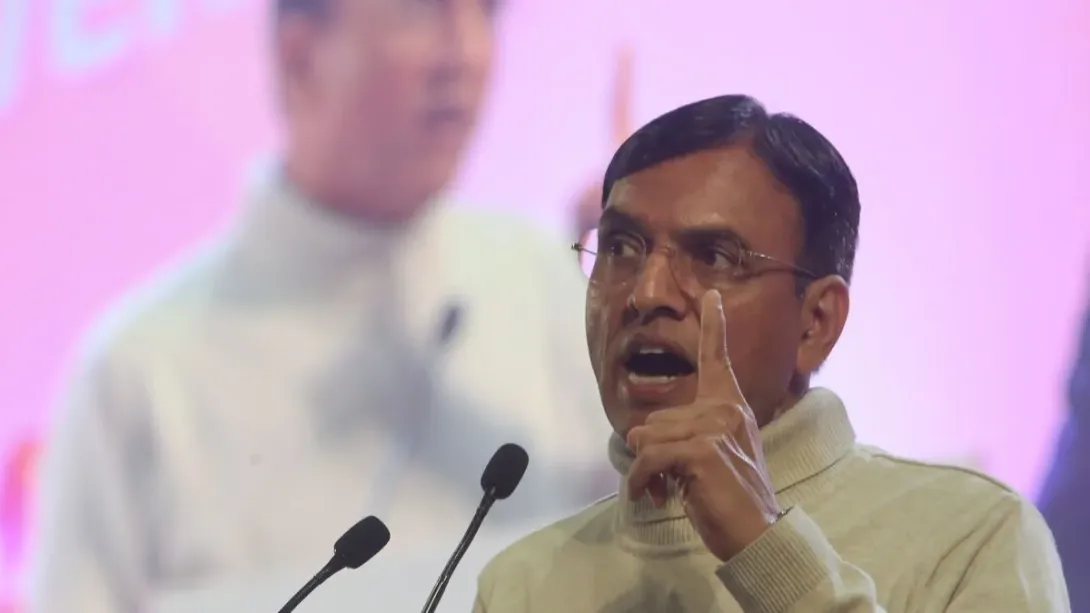
Union Sports Minister Mansukh Mandaviya on Friday emphasized Droupadi Murmu’s perspective on fostering tribal sports talent in India. Highlighting initiatives such as the Khelo India Tribal Games 2026, Mandaviya stressed the significance of sustained institutional support to cultivate a robust pipeline of athletes from indigenous communities. He noted that nurturing grassroots talent is critical to India’s aspiration of becoming a “global sports superpower.” The minister shared these insights on social media, underscoring the transformative potential of focused interventions that combine policy backing, infrastructure, and training programs to elevate tribal representation in national and international sports arenas.
Tribal Sports as a Strategic Priority
President Droupadi Murmu has consistently emphasized the importance of inclusive sports policies that empower tribal athletes. Her advocacy underscores the necessity of targeted programs that provide access to training, resources, and competitive exposure, ensuring that talent from marginalized communities is recognized and nurtured.
Mandaviya highlighted that initiatives like the Khelo India Tribal Games 2026 are not merely competitive platforms but strategic instruments to identify, groom, and integrate young athletes into mainstream sports circuits. Such programs can enhance national performance while promoting social equity in athletics.
Khelo India Tribal Games 2026: Building the Pipeline
The Khelo India Tribal Games 2026 aims to create structured pathways for talent discovery at the grassroots level. By combining modern training methodologies with localized support systems, the initiative ensures that tribal athletes can compete on equal footing with peers from urban centers.
This model reflects a dual objective: enhancing India’s medal prospects in international competitions and fostering inclusive participation. According to Mandaviya, structured investment in these athletes will strengthen India’s sports ecosystem, translating to both competitive success and social impact.
Implications for India’s Global Sports Ambitions
The minister stressed that consistent support for tribal athletes is integral to India’s ambition of becoming a “global sports superpower.” Harnessing untapped talent from indigenous communities can diversify India’s competitive edge across disciplines, enhance representation, and improve international rankings.
From a strategic standpoint, these initiatives also generate economic value by channeling investments into infrastructure, coaching, and sports science, creating multiplier effects across local economies while elevating national sports performance metrics.
Conclusion: Inclusive Policies for a Sporting Future
Mandaviya’s reiteration of President Murmu’s vision highlights the intersection of policy, social equity, and sports performance. Programs like the Khelo India Tribal Games 2026 exemplify a forward-looking approach to talent development, demonstrating that sustained support, robust infrastructure, and targeted initiatives are key to transforming India’s sporting landscape.
By prioritizing grassroots tribal athletes, India not only nurtures future champions but also reinforces the nation’s commitment to inclusivity and excellence on the global sporting stage.
Comments