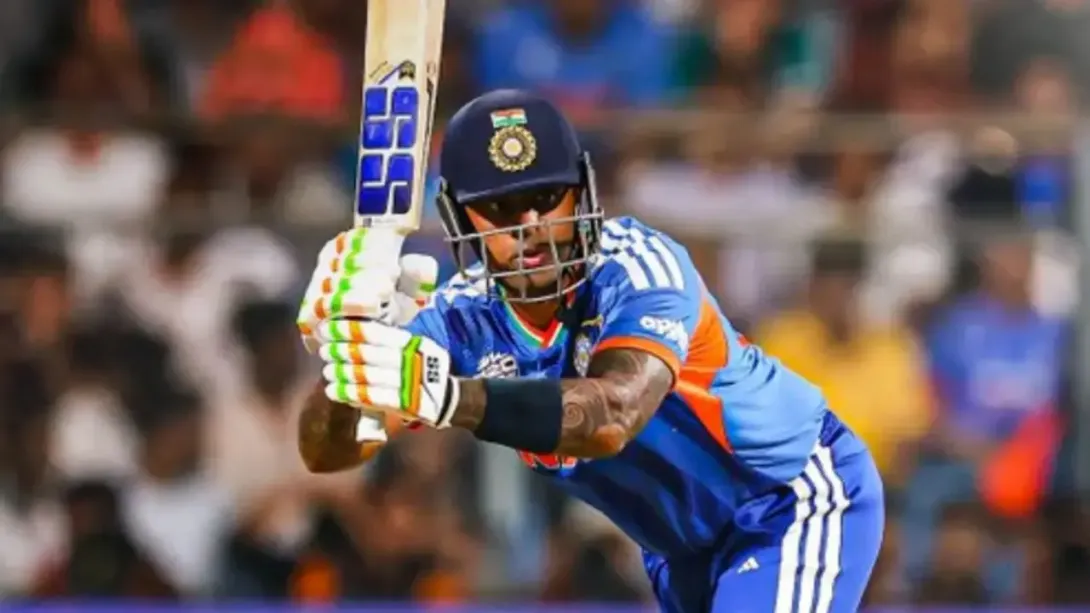
Following India’s recent success in the ICC Men's T20 World Cup, captain Suryakumar Yadav has emphasized the remarkable depth of cricketing talent emerging across the country. In recent remarks, the dynamic batter and leader praised India’s evolving domestic system, which continues to produce skilled players capable of performing at the highest international level. His observations underline a broader transformation within Indian cricket, where robust grassroots development, competitive domestic tournaments, and advanced training infrastructures are collectively shaping a sustainable pipeline of elite athletes prepared for global competition.
Leadership Reflections After a Historic Victory
Suryakumar Yadav, widely recognized for his innovative batting style and tactical acumen, recently reflected on India’s growing reservoir of cricketing talent following the team’s triumph in the ICC Men's T20 World Cup.
Speaking about the evolving landscape of Indian cricket, Yadav emphasized that the national team’s success is not solely the result of individual brilliance but rather the outcome of a well-structured talent pipeline. According to him, the country now boasts a generation of cricketers who are technically sound, mentally resilient, and capable of adapting quickly to the demands of modern international cricket.
He noted that players emerging from domestic competitions are arriving on the international stage with greater confidence and tactical awareness than ever before.
Domestic Cricket as the Foundation of Success
A major factor behind India’s expanding talent pool lies in the strength of its domestic cricket structure. Tournaments organized by the Board of Control for Cricket in India provide a rigorous competitive environment where young players gain valuable exposure.
Domestic leagues, age-group competitions, and high-performance training academies have significantly elevated the overall standard of the game. These systems allow promising athletes to refine their skills before entering the international arena.
According to analysts, the scale and professionalism of India’s cricket ecosystem now rival those of major global sports development systems.
Influence of Franchise Leagues on Player Development
Franchise-based tournaments such as the Indian Premier League have also played a pivotal role in accelerating player development.
The league provides emerging cricketers with the opportunity to share dressing rooms with international superstars, learn advanced match strategies, and experience the pressure of performing before millions of fans.
For young Indian players, this exposure serves as a bridge between domestic cricket and the global stage. Many athletes who first gained recognition in franchise leagues have later become key contributors to the national team.
A Competitive Environment Driving Excellence
Yadav pointed out that intense internal competition has become one of the defining features of modern Indian cricket. With hundreds of aspiring players competing for limited positions in the national squad, only those demonstrating exceptional consistency and performance earn selection.
This competitive environment has fostered a culture of professionalism, discipline, and continuous improvement. Players are increasingly relying on sports science, performance analytics, and specialized coaching to refine their techniques.
Such advancements are gradually aligning Indian cricket with the best practices seen in elite international sports organizations.
Looking Ahead to the Next Generation
As India continues to consolidate its position as a dominant force in global cricket, the emergence of new talent remains central to the team’s long-term success.
Suryakumar Yadav expressed optimism that the next generation of players will continue to push the boundaries of performance and innovation in the sport. With strong institutional support and an expanding talent base, India appears well positioned to maintain its competitive edge in upcoming international tournaments.
For cricket observers and sports economists alike, the country’s evolving talent pipeline represents not only a sporting achievement but also a case study in how strategic investment in grassroots development can yield sustained global success.
Comments