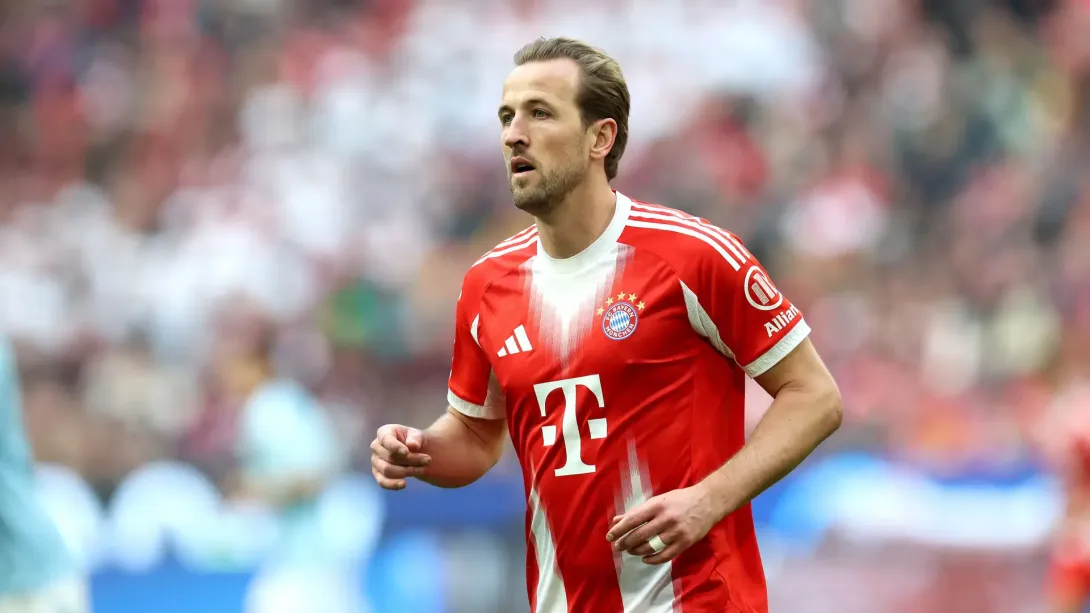
This week, European football has been dominated by strategic developments involving Bayern Munich, Real Madrid, and Harry Kane. Bayern Munich continues to assert its domestic dominance with calculated squad management, while Real Madrid demonstrates tactical precision, reinforcing its pursuit of La Liga supremacy. Concurrently, Harry Kane remains central to transfer speculation and performance analysis, reflecting his commercial and sporting value. These developments underscore the fusion of competitive strategy and financial dynamics, highlighting how elite clubs and marquee players influence brand equity, revenue streams, and global football market trends.
Bayern Munich: Strategic Operations and Commercial Stability
Bayern Munich has leveraged a combination of squad rotation and performance analytics to sustain dominance in the Bundesliga and European competitions. By balancing player workload and tactical planning, the club mitigates injury risks while optimizing match outcomes.
From a financial perspective, Bayern Munich’s consistent success strengthens revenue generation through sponsorship agreements, merchandise sales, and broadcasting rights, collectively contributing to multi-crore annual inflows. Their approach exemplifies the integration of operational efficiency with long-term financial strategy, positioning the club as a model of sustainable competitive and commercial performance.
Real Madrid: Tactical Mastery and Global Brand Management
Real Madrid has showcased tactical acumen in recent La Liga fixtures, combining experienced leadership with emerging talent to maintain performance standards. These decisions reflect a broader strategic intent to preserve the club’s historical dominance while preparing for long-term competitive sustainability.
The club’s success directly correlates with commercial outcomes, including global fan engagement, sponsorship revenue, and broadcast rights, often valued at hundreds of crores of rupees. Real Madrid’s careful alignment of on-field strategy with brand management underscores the financial and reputational imperatives of elite football institutions.
Harry Kane: Market Influence and Performance Metrics
Harry Kane continues to attract attention for his goal-scoring record, leadership qualities, and potential transfer movements. As one of the Premier League’s most influential players, Kane contributes to both sporting outcomes and financial returns, including merchandising, endorsements, and club visibility.
The striker’s valuation reflects not only athletic performance but also brand leverage in global markets. Clubs monitor such high-value players closely, as their on-field impact and commercial potential can significantly affect investment decisions and strategic planning.
The Intersection of Competition and Commercial Strategy
Across Europe, top clubs increasingly operate as complex enterprises, integrating tactical performance with revenue optimization. Bayern Munich, Real Madrid, and players like Kane illustrate how elite football now functions at the nexus of sporting excellence, market valuation, and brand positioning.
Decisions regarding squad management, player development, and commercial engagement are interdependent, emphasizing the necessity of a strategic approach that maximizes both competitive success and financial stability.
Conclusion: European Football as a Multi-Billion-Rupee Enterprise
The latest developments underscore that European football is more than a sport; it is a high-stakes industry where operational excellence and financial prudence converge. Clubs like Bayern Munich and Real Madrid, alongside marquee players such as Harry Kane, illustrate how strategic decisions shape market positioning, revenue potential, and global brand equity.
As the sport evolves, stakeholders—from investors to fans—must navigate an ecosystem where performance, valuation, and strategic foresight determine long-term success and influence in the global football arena.
Comments