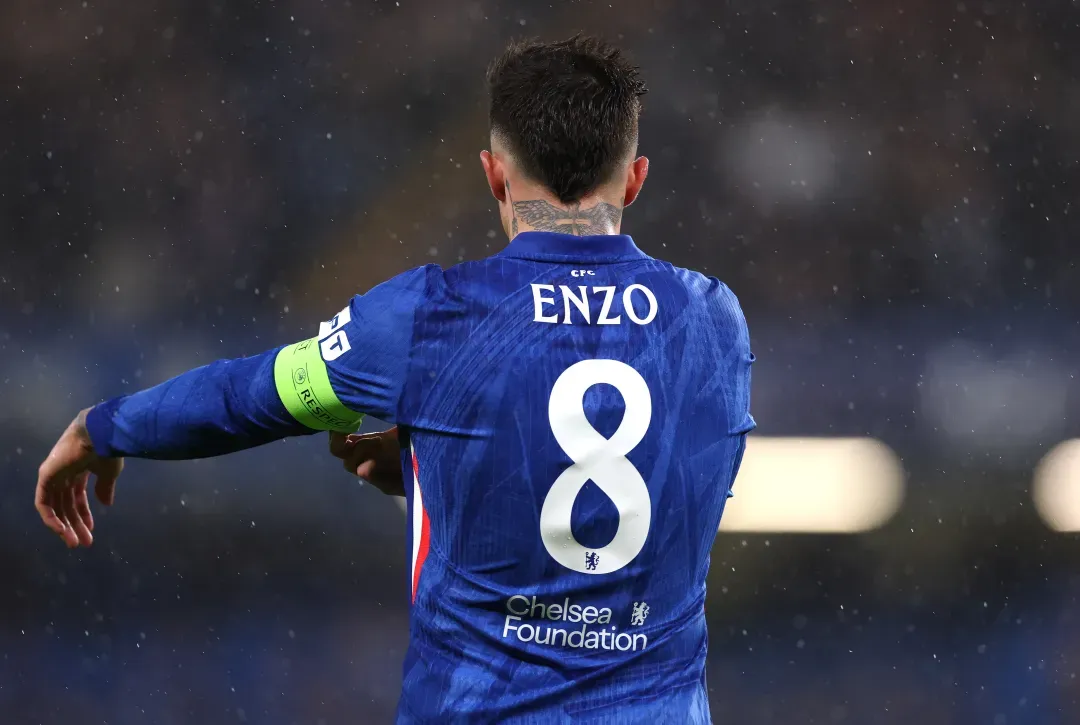
Chelsea FC has taken decisive disciplinary action against midfielder Enzo Fernández, sidelining him for two matches following controversial comments related to Real Madrid. The move reflects the club’s emphasis on maintaining professionalism and safeguarding its brand integrity in a high-stakes global football environment. Beyond the immediate sporting implications, the decision underscores the growing importance of player conduct in shaping commercial value, public perception, and institutional credibility. The development highlights how modern football clubs operate not only as sporting entities but also as globally scrutinized corporate brands.
Incident Overview and Club Response
Chelsea FC has acted swiftly to address remarks made by Enzo Fernández that reportedly drew attention for their perceived impropriety concerning Real Madrid. While the exact nature of the comments remains subject to interpretation, the club’s decision to impose a two-match exclusion signals a zero-tolerance approach toward actions that may disrupt team harmony or external relationships.
In professional football, where media visibility is constant, even offhand remarks can escalate into reputational risks. Chelsea’s response illustrates a proactive effort to contain potential fallout.
Sporting Implications for Chelsea
Fernández’s absence creates a tactical challenge for Chelsea, particularly given his role as a central figure in midfield operations. The Argentine international has been instrumental in dictating tempo, linking defensive transitions with attacking movements, and maintaining structural balance.
The coaching staff will now need to recalibrate its approach, potentially redistributing responsibilities among available midfield options. Such adjustments could influence match outcomes in the short term, especially against high-caliber opponents.
Brand Management and Commercial Sensitivity
The decision to discipline Fernández extends beyond internal team dynamics. Football clubs of Chelsea’s stature function as global brands with extensive commercial partnerships and fan engagement across continents.
Maintaining a consistent public image is critical. Any controversy—particularly involving references to another elite club like Real Madrid—can have implications for sponsorship relationships, media narratives, and audience perception. By acting decisively, Chelsea reinforces its commitment to professionalism and brand stewardship.
Player Conduct in the Modern Football Economy
The episode underscores a broader trend in contemporary football: players are not only athletes but also brand ambassadors. Their public statements, whether on social media or in interviews, are closely monitored and can influence stakeholder confidence.
Clubs increasingly prioritize behavioral standards, recognizing that reputational risks can translate into financial consequences. This alignment between conduct and commercial value reflects the evolving nature of the sport as a global industry.
Strategic Outlook for Chelsea
In the immediate term, Chelsea must navigate the competitive impact of Fernández’s absence while maintaining squad cohesion. Over the longer horizon, the incident may serve as a reminder to reinforce internal communication protocols and media training for players.
For Fernández, the suspension presents an opportunity to recalibrate and return with renewed focus, both on and off the field.
Conclusion
Chelsea’s decision to sideline Enzo Fernández highlights the intricate balance between sporting performance and corporate responsibility in modern football. As clubs operate under intense global scrutiny, maintaining discipline and protecting brand equity have become integral to long-term success. The incident serves as a case study in how leading organizations manage risk, uphold standards, and safeguard their reputation in an increasingly interconnected sports economy.
Comments