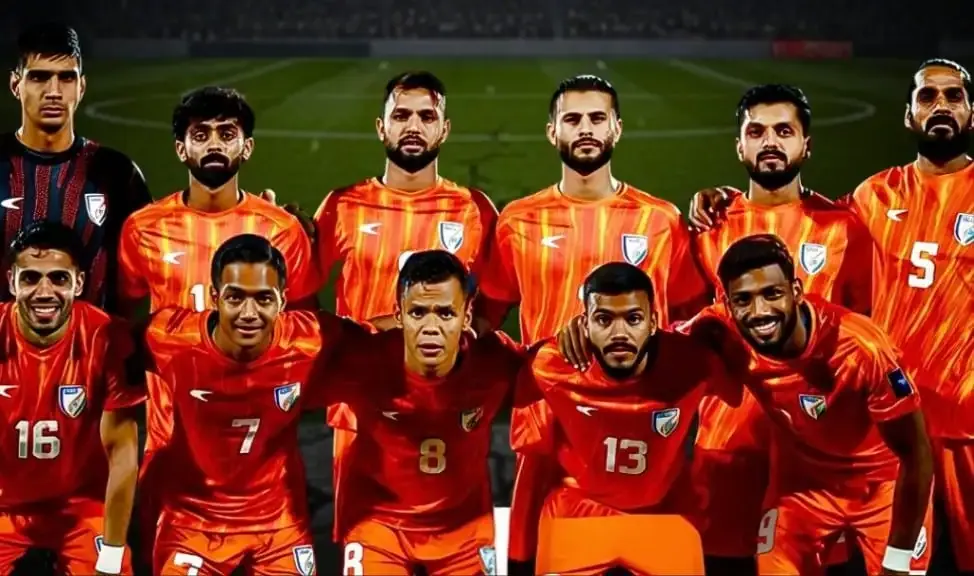
Indian football is poised for a defining international moment as the India national football team prepares to compete in the Unity Cup 2026 in London. Featuring teams such as Nigeria national football team, Jamaica national football team, and Zimbabwe national football team, the tournament represents more than a competitive platform. It reflects a broader shift in football economics, where diaspora-driven events are redefining global engagement. For India, participation offers a dual opportunity—enhancing on-field competitiveness while expanding its commercial and cultural footprint in international football markets.
A Landmark Opportunity for Indian Football
The inclusion of the India national football team in the Unity Cup 2026 marks a strategic milestone in its global journey. Scheduled from May 26 to May 30 in London, the four-nation knockout tournament introduces India to a diverse competitive environment.
Beyond the sporting challenge, the event underscores India’s intent to position itself within a broader international football narrative—one that increasingly values visibility, market expansion, and cross-cultural engagement.
The Rise of Diaspora-Driven Tournaments
The Unity Cup exemplifies a new generation of international football competitions. Unlike traditional friendlies, such tournaments are designed as cultural and commercial spectacles, leveraging the presence of global diaspora communities.
Cities like London, with their multicultural demographics, provide an ideal platform for these events. Matches are not merely contests between teams but celebrations of identity, heritage, and global connectivity. This model enhances fan engagement while creating new revenue streams through ticket sales, sponsorships, and media rights.
Competitive Landscape: A Test of Depth and Adaptability
Facing established footballing nations such as Nigeria, Jamaica, and Zimbabwe presents a meaningful challenge for India. These teams bring varied playing styles, physicality, and tactical approaches, offering valuable exposure for the Blue Tigers.
For India, success will depend on adaptability, squad depth, and the ability to perform under pressure in a knockout format. Even beyond results, the experience gained from competing at this level is expected to contribute to long-term player development.
Commercial Implications and Brand Expansion
Participation in the Unity Cup carries significant commercial implications. International tournaments enhance visibility among global audiences, particularly within diaspora communities that maintain strong cultural ties to their home countries.
For Indian football, this exposure can translate into increased sponsorship opportunities, higher broadcast value, and stronger brand recognition. As football continues to globalize, such platforms are critical for emerging markets seeking to establish relevance.
Strategic Significance for the AIFF
For All India Football Federation, the decision to participate aligns with a broader strategy to internationalize Indian football. Engaging in high-profile tournaments helps build credibility, attract investment, and foster partnerships with global stakeholders.
It also signals a shift toward proactive scheduling, where competitive exposure is integrated with long-term development goals.
Conclusion
India’s participation in the Unity Cup 2026 reflects a convergence of sporting ambition and strategic foresight. As international football evolves into a globalized, commercially driven ecosystem, opportunities like these offer more than just match experience—they provide a मंच for growth, visibility, and long-term value creation. For the Blue Tigers, the London tournament could mark the beginning of a more assertive presence on the world stage, where performance and perception go hand in hand.
Comments