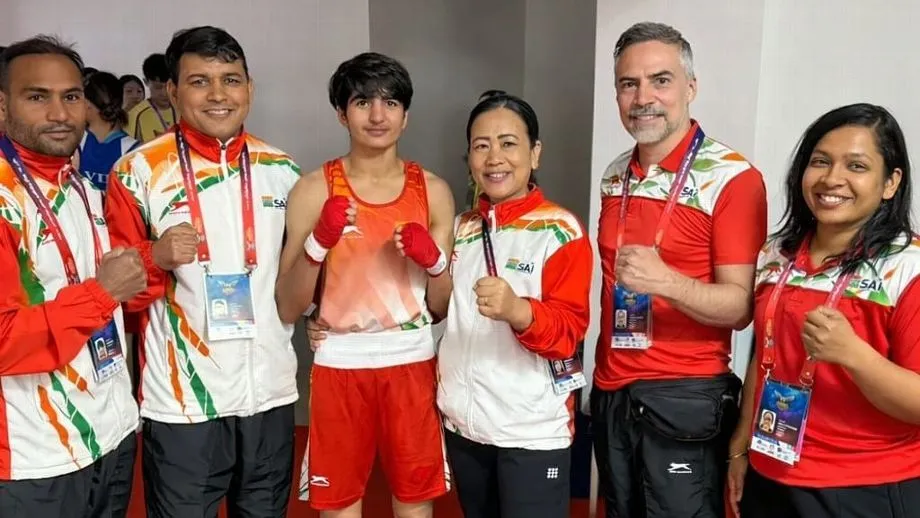
India’s sporting ecosystem is entering a defining phase in 2026, marked by a dense calendar of domestic and international competitions. With marquee events such as the Commonwealth Games, Asian Games, and two Chess World Championships on the horizon, the year promises sustained momentum across disciplines. April, in particular, stands out as a microcosm of this intensity, featuring a packed schedule that demands close tracking. As fan engagement deepens and performance expectations rise, curated daily updates—such as those provided by ESPN—are becoming indispensable for navigating India’s rapidly evolving sporting narrative.
A Transformative Year for Indian Sports
The year 2026 represents a pivotal juncture for Indian sports, not merely in terms of participation but also in its growing global competitiveness. With multiple high-profile international tournaments scheduled, Indian athletes are poised to test their mettle on some of the most prestigious stages.
The upcoming editions of the Commonwealth Games and Asian Games are expected to serve as critical benchmarks for India’s sporting ambitions. Historically, these events have provided a platform for emerging talent while reinforcing India’s standing in disciplines such as athletics, wrestling, badminton, and boxing. The addition of two Chess World Championships further underscores the country’s expanding footprint in intellectual sports, an area where India has seen remarkable growth in recent years.
April: A Microcosm of Sporting Intensity
April 2026 encapsulates the broader narrative of a high-octane sporting year. The month is densely packed with fixtures, tournaments, and key matchups across multiple disciplines, making it one of the busiest periods in the Indian sports calendar.
From domestic leagues to international competitions, the volume of activity presents both an opportunity and a challenge. For athletes, it demands peak physical and mental conditioning. For fans and analysts, it necessitates reliable, real-time updates to keep pace with the rapidly unfolding events.
The Role of Real-Time Sports Coverage
In an environment where sporting events overlap and evolve quickly, comprehensive coverage platforms have become essential. Daily sports blogs and live update systems—such as those curated by ESPN—play a crucial role in aggregating news, scores, schedules, and expert commentary into a single, accessible stream.
This model of continuous reporting not only enhances fan engagement but also contributes to a more informed sports culture. By delivering timely insights and contextual analysis, such platforms bridge the gap between raw results and meaningful understanding.
Strategic Implications for Indian Sports
The convergence of multiple global events in 2026 carries significant strategic implications. For sports administrators, it is an opportunity to evaluate infrastructure readiness, talent pipelines, and funding allocation. For sponsors and stakeholders, the heightened visibility offers avenues for deeper commercial engagement.
Moreover, consistent exposure to international competition is likely to accelerate performance standards among Indian athletes. This, in turn, could translate into improved medal tallies and stronger global recognition.
Conclusion
India’s sporting landscape in 2026 is defined by scale, ambition, and intensity. With a packed April schedule setting the tone, and major international events on the horizon, the year is poised to be a landmark period. As the volume of action increases, the importance of structured, real-time information becomes ever more critical—ensuring that neither fans nor stakeholders miss a moment in this dynamic journey.
Comments