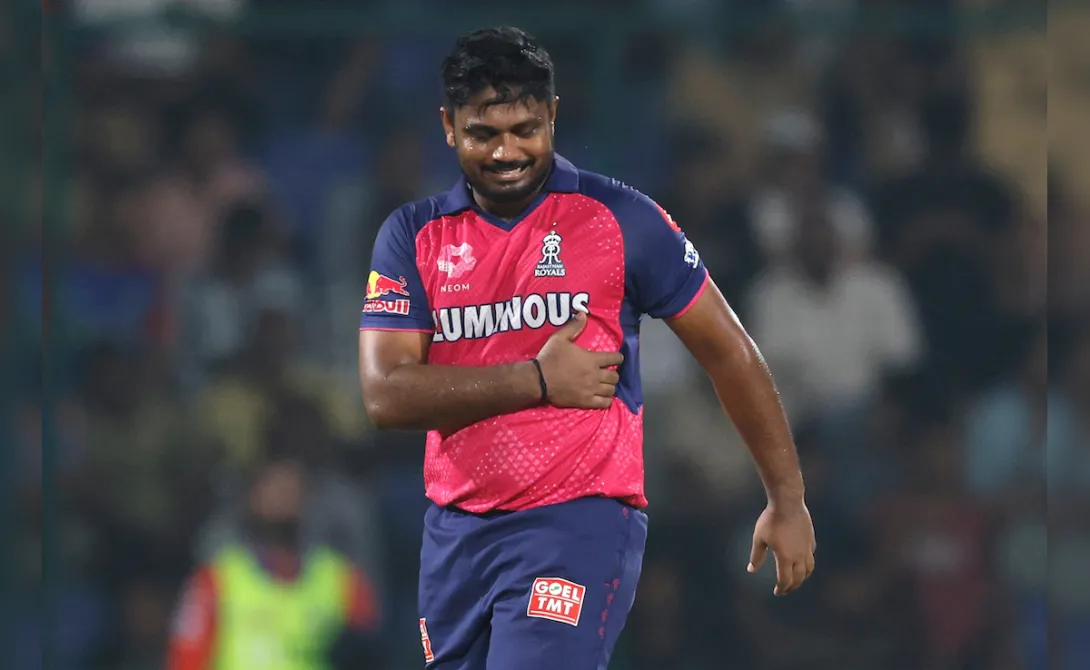
A growing narrative surrounding Sanju Samson and Rajasthan Royals has ignited debate across the cricketing and business communities of the Indian Premier League. Once considered the cornerstone of the franchise, Samson’s evolving relationship with the team highlights broader tensions between star athletes and franchise strategy in modern sports enterprises. At stake is not merely a player’s career trajectory but the commercial and competitive direction of a franchise that built its brand around him. As speculation intensifies, analysts say the episode reflects how leadership expectations, financial investments, and team restructuring can reshape the dynamics between marquee players and IPL organizations.
A Franchise Built Around a Single Figure
For more than a decade, Sanju Samson represented the face of Rajasthan Royals. Since arriving as a promising young cricketer, he steadily grew into one of the franchise’s most recognizable assets. His aggressive batting style and composed wicketkeeping made him central to the Royals’ on-field strategy, while his elevation to captaincy cemented his status as the team’s long-term leader.
From a business perspective, Samson’s presence also contributed significantly to the franchise’s brand value. In the modern IPL ecosystem—where sponsorship deals, merchandise sales, and digital engagement drive revenue—teams often rely on a small number of star players to maintain visibility and fan loyalty.
For Rajasthan Royals, Samson was not merely a player; he was a brand ambassador whose performances directly influenced the franchise’s commercial appeal.
Signs of a Strategic Divergence
Recent developments have suggested that the relationship between Samson and the Royals may be entering a period of recalibration. While official statements remain measured, insiders point to differing views regarding leadership structure, team composition, and long-term planning.
In franchise-based sports leagues, such tensions are hardly unusual. Teams must constantly balance loyalty to established players with the financial realities of salary caps, auction strategies, and squad renewal.
For Rajasthan Royals, whose management has increasingly emphasized youth development and data-driven decision-making, the need to restructure the squad could inevitably challenge the position of even its most prominent figures.
Industry observers argue that this is part of a broader shift within the IPL: franchises are transitioning from personality-driven models toward system-driven organizations where no individual player is indispensable.
Financial Stakes and Franchise Economics
Behind the sporting narrative lies a complex financial structure. The IPL operates as one of the most lucrative sporting leagues in the world, with franchises valued in billions of rupees and media rights deals worth staggering sums.
Star players such as Samson command significant contracts—often exceeding Rs. 10 crore per season—reflecting both their performance and their marketing value.
When a franchise evaluates whether to retain, trade, or reposition such a player, the decision involves more than cricketing considerations. Management must weigh salary allocation, brand partnerships, long-term squad sustainability, and the expectations of investors.
In this context, the Samson–Royals dynamic illustrates the economic calculus that increasingly defines professional sports management.
Leadership Pressure in the Modern IPL
Captaincy in the IPL has evolved into one of the most demanding roles in professional cricket. Beyond on-field tactics, a captain is expected to represent the franchise in commercial campaigns, media appearances, and global promotional events.
For Samson, the pressure has been particularly intense. As captain, he has carried the dual responsibility of delivering consistent performances while guiding a squad that frequently blends emerging domestic players with international stars.
Such expectations can place even the most experienced leaders under scrutiny, especially when results fluctuate during the tournament’s highly competitive seasons.
What the Situation Means for the Royals
If the evolving narrative between Samson and the franchise signals a deeper transition, Rajasthan Royals may soon face a defining moment in their organizational journey.
Replacing a long-standing leader is rarely straightforward. Beyond tactical adjustments, the franchise would need to rebuild its public identity, develop new leadership voices within the squad, and maintain fan engagement during the transition.
However, such changes can also create opportunities. Teams that successfully navigate leadership turnover often emerge with renewed strategic clarity and a more balanced roster.
The Broader Lesson for Franchise Sports
The unfolding story surrounding Sanju Samson and Rajasthan Royals underscores a larger truth about modern franchise sports: loyalty, while valued, is increasingly secondary to strategic adaptability.
As leagues such as the IPL grow into global entertainment industries, teams must constantly evolve to remain competitive both on the field and in the marketplace.
Whether this situation ultimately leads to reconciliation, restructuring, or a dramatic shift in the team’s leadership, it has already highlighted the delicate balance between individual star power and institutional strategy.
For fans and analysts alike, the Samson–Royals narrative offers a revealing glimpse into the complex intersection of sport, business, and leadership in the world’s most commercially dynamic cricket league.
Comments