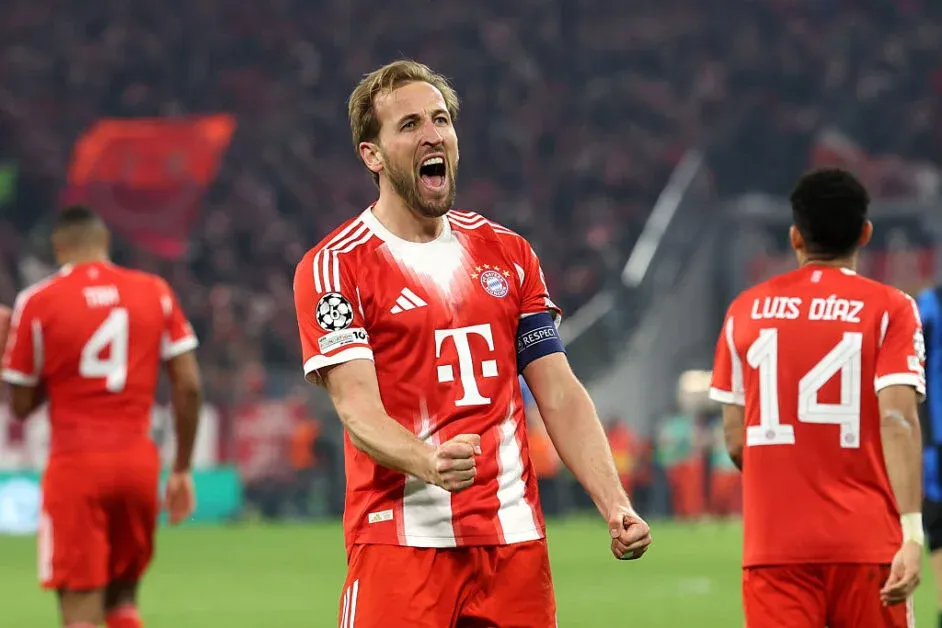
A compelling European football encounter between FC Bayern Munich and Atalanta BC has captured attention across the global sporting community. The matchup not only highlights two tactically dynamic teams but also reflects the growing commercial scale of elite European football. Bayern Munich, historically one of Europe’s most successful clubs, enters the contest with its trademark attacking philosophy. Atalanta, meanwhile, has built a reputation for tactical innovation and fearless offensive play. Beyond the sporting narrative, the clash underscores the multi-billion-rupee financial ecosystem surrounding European competitions, where broadcasting rights, sponsorship agreements, and global fan engagement continue to redefine the business of football.
A Meeting of Tactical Ambition
The anticipated clash between FC Bayern Munich and Atalanta BC represents more than a routine European fixture. Both clubs have earned recognition for distinctive playing styles that emphasize attacking football and tactical discipline.
Bayern Munich, Germany’s most decorated football club, traditionally relies on high-tempo pressing, technical midfield control, and clinical finishing. Atalanta, representing Italy’s modern tactical evolution, has developed a reputation for fluid formations and aggressive forward movement.
When these contrasting football philosophies meet, the result is often a contest defined by intensity and strategic adaptation.
Bayern Munich’s Legacy of European Dominance
Few clubs in world football command the historical authority of FC Bayern Munich. The German powerhouse has consistently been a dominant presence in European competitions such as the UEFA Champions League.
Decades of domestic success in the Bundesliga have allowed Bayern to build a formidable financial and sporting infrastructure. Revenue from global sponsorship agreements, merchandising, and broadcasting rights has transformed the club into a commercial powerhouse worth billions of rupees.
This economic strength enables Bayern to attract elite talent and maintain its status as a perennial contender on the continental stage.
Atalanta’s Rise as Europe’s Tactical Innovator
While Bayern Munich represents traditional European power, Atalanta BC embodies the rise of strategically innovative clubs. Based in Bergamo, the Italian side has transformed itself from a mid-table domestic competitor into a respected force in European tournaments.
Atalanta’s aggressive attacking philosophy and emphasis on player development have attracted admiration from analysts across Europe. Competing in Italy’s Serie A, the club has repeatedly challenged more financially powerful teams through tactical creativity and disciplined squad management.
This transformation demonstrates how strategic planning and intelligent recruitment can elevate a club’s competitive standing.
Financial Power Behind European Football
The significance of a Bayern–Atalanta encounter extends beyond tactical intrigue. European football operates within a vast commercial ecosystem where broadcasting contracts, corporate partnerships, and international fan engagement generate enormous revenue.
Competitions organized by UEFA attract global audiences numbering in the hundreds of millions. Sponsorship deals and television rights for these tournaments are valued in billions of rupees annually.
For clubs, success on the field directly influences financial performance. Progressing deeper into continental competitions increases prize money, enhances global brand visibility, and attracts new commercial partnerships.
Strategic Preparation and Matchday Expectations
Both teams have reportedly focused heavily on tactical preparation ahead of the encounter. Modern football clubs rely on advanced data analytics, performance monitoring systems, and video analysis to refine match strategies.
Bayern Munich is expected to prioritize possession dominance and attacking pressure, while Atalanta may rely on rapid transitions and structured defensive organization.
Such strategic planning reflects the increasingly scientific approach that defines elite football in the 21st century.
A Contest Reflecting Football’s Global Evolution
Ultimately, the meeting between FC Bayern Munich and Atalanta BC illustrates how European football has evolved into a global entertainment industry where sporting excellence intersects with financial sophistication.
Matches of this scale attract worldwide audiences, reinforcing the commercial strength of the sport while showcasing the highest levels of tactical competition.
For supporters and industry observers alike, the contest serves as a reminder that modern football operates at the intersection of strategy, performance, and economic ambition—an arena where every match carries implications far beyond the final scoreline.
Comments