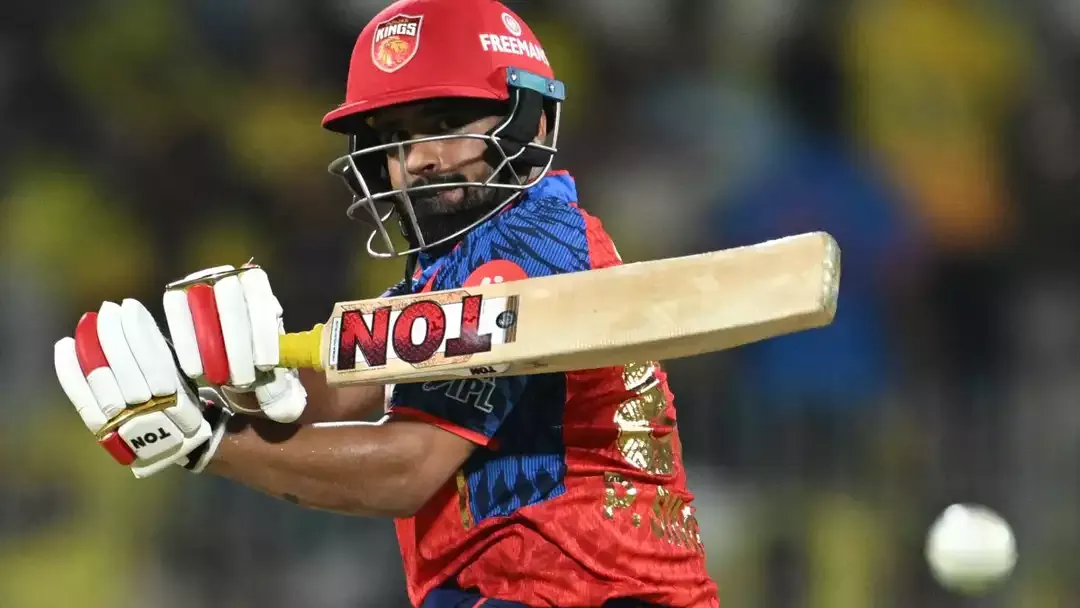
Punjab Kings batter Prabhsimran Singh has expressed strong support for the Impact Player Rule in the Indian Premier League, emphasizing its role in enhancing tactical flexibility and match competitiveness. The rule allows teams to substitute a player during a match, fundamentally altering game dynamics. Singh’s endorsement reflects a broader acceptance among players and franchises, as the innovation continues to reshape strategies, maximize player utilization, and increase fan engagement. Beyond the field, the rule also contributes to the IPL’s commercial growth by making matches more dynamic and appealing to global audiences.
Redefining Strategy in Modern T20 Cricket
The introduction of the Impact Sub rule represents a significant shift in how T20 cricket is played and managed. By allowing teams to introduce a substitute player at a critical juncture, franchises can recalibrate their approach in real time.
Prabhsimran Singh’s support underscores the practical benefits of this innovation. According to him, the rule enables teams to adapt to changing match conditions, whether by strengthening batting depth or reinforcing bowling options. This flexibility enhances competitive balance and reduces the predictability often associated with fixed playing XIs.
Tactical Flexibility and Performance Optimization
From a strategic standpoint, the Impact Sub rule allows teams to optimize player roles more effectively. Specialists—whether finishers, powerplay bowlers, or death-over experts—can now be deployed with greater precision.
This development aligns with the broader trend of data-driven decision-making in cricket. Franchises increasingly rely on analytics to determine the optimal timing and selection of substitutions, thereby maximizing on-field performance.
For players like Prabhsimran Singh, such rules also create additional opportunities to contribute meaningfully, even if they are not part of the starting lineup.
Commercial and Broadcast Implications
The Impact Sub rule extends beyond tactical considerations, carrying significant commercial implications. By introducing an additional layer of unpredictability, it enhances viewer engagement and retention—key metrics for broadcasters and advertisers.
More dynamic matches translate into higher television ratings and digital streaming numbers, which in turn drive advertising revenues. For sponsors, the increased excitement around substitution moments offers new opportunities for branding and fan interaction.
The IPL’s willingness to innovate reinforces its position as a global leader in sports entertainment, where rule changes are leveraged to sustain both competitive intensity and commercial growth.
Player Perspectives and League Evolution
Prabhsimran Singh’s endorsement reflects a growing consensus among players that innovation is essential for the evolution of the sport. While traditionalists may view such changes with caution, the modern cricket ecosystem increasingly values adaptability and audience engagement.
The rule also encourages teams to develop deeper squads, as a wider pool of players becomes integral to match strategy. This, in turn, promotes talent development and creates a more inclusive competitive environment.
Conclusion
The backing of the Impact Sub rule by Prabhsimran Singh highlights a broader transformation within the Indian Premier League—one that blends tactical innovation with commercial foresight. As the league continues to evolve, such changes are likely to redefine not only how matches are played but also how they are consumed. In a sport where marginal gains often determine outcomes, the ability to adapt in real time may prove to be the ultimate competitive advantage.
Comments