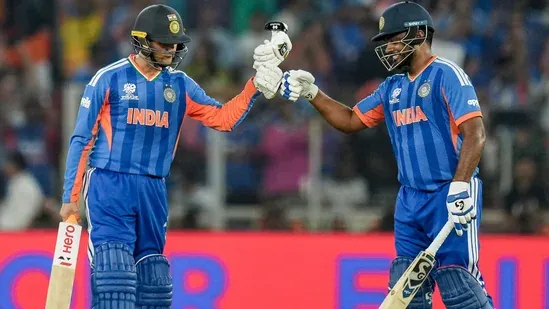
Indian wicketkeeper-batter Sanju Samson has emphasized the growing importance of his on-field partnership with rising all-rounder Abhishek Sharma in modern T20 cricket. Speaking about their developing synergy, Samson noted that the combination of calculated aggression and tactical awareness can significantly influence match outcomes. The partnership reflects the broader shift in contemporary cricket, where collaborative batting strategies and high strike rates play a decisive role in shaping results. As India continues to nurture emerging talent across domestic and international competitions, the Samson–Sharma pairing is increasingly viewed as a dynamic asset capable of strengthening the team’s offensive approach.
A Partnership Shaping Modern T20 Strategy
In the rapidly evolving landscape of T20 cricket, partnerships often determine the momentum of an innings. Indian cricketer Sanju Samson recently highlighted the significance of his batting collaboration with Abhishek Sharma, describing it as a productive combination built on trust and complementary playing styles.
Samson explained that effective partnerships require clear communication and mutual understanding between players. In high-pressure formats like T20 cricket, even small tactical adjustments between partners can influence the pace of scoring and overall match strategy.
Complementary Styles Driving Momentum
One of the defining characteristics of the Samson–Sharma partnership is the contrast in their batting approaches. Sanju Samson is widely recognized for his elegant stroke play and ability to anchor innings when required, while Abhishek Sharma brings explosive power and fearless intent to the crease.
This balance allows the pair to adapt to various match scenarios. When early wickets fall, Samson’s composure can stabilize the innings, while Sharma’s aggressive approach can rapidly accelerate scoring during favorable phases.
Cricket analysts note that such complementary partnerships are increasingly valuable in T20 cricket, where teams seek both stability and rapid scoring within the same batting order.
Tactical Importance in the T20 Format
The growth of franchise leagues such as the Indian Premier League has transformed the tactical landscape of cricket. Teams now prioritize partnerships that can sustain high strike rates while maintaining scoreboard pressure on opposition bowlers.
According to Samson, partnerships built on calculated risk-taking and strategic shot selection are often the difference between competitive totals and match-winning performances. Maintaining tempo without sacrificing wickets remains a key challenge for modern batting units.
Emerging Talent Strengthening India’s Batting Depth
The emergence of players like Abhishek Sharma reflects India’s expanding pool of young talent capable of performing at elite levels. Sharma’s aggressive batting style and ability to contribute with the ball have attracted considerable attention from analysts and team management.
For established players such as Sanju Samson, partnerships with younger teammates offer an opportunity to blend experience with innovation—an approach increasingly adopted by teams aiming to remain competitive across formats.
Looking Ahead: A Promising Combination
As India continues refining its approach to limited-overs cricket, partnerships like the one between Sanju Samson and Abhishek Sharma could play a vital role in shaping future batting strategies.
With the global cricket calendar featuring numerous high-profile tournaments, including franchise leagues and international series, the ability to build reliable batting alliances will remain a critical factor in achieving consistent success.
If their synergy continues to develop, the Samson–Sharma partnership may emerge as a key element in India’s evolving T20 blueprint, combining experience, aggression, and tactical intelligence in equal measure.
Comments