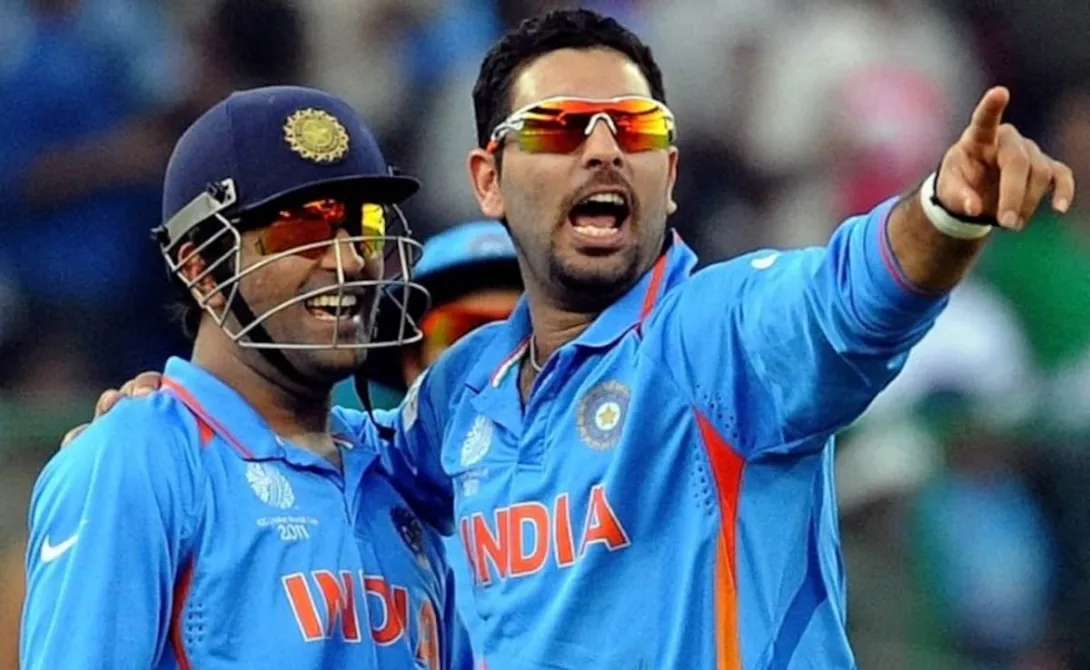
A recent remark by Yuvraj Singh has drawn attention to leadership decisions within Sunrisers Hyderabad, highlighting the critical role of captaincy in the Indian Premier League. Questioning the rationale behind the franchise’s choice, Singh’s comments have sparked broader discussions about governance, strategic alignment, and performance accountability. In a league where investments often exceed Rs. 10 crore per player, leadership decisions carry both competitive and financial implications. The debate underscores how captaincy is not merely symbolic but a cornerstone of operational efficiency and long-term franchise value.
Leadership Decisions Under Public Scrutiny
In a high-visibility tournament like the IPL, leadership choices rarely escape scrutiny. Yuvraj Singh’s observations regarding Sunrisers Hyderabad’s captaincy decision reflect a growing trend of former players engaging in analytical discourse around team management.
Captaincy in T20 cricket extends beyond on-field tactics. It encompasses decision-making under pressure, resource allocation, and the ability to align individual performances with team objectives. Any perceived inconsistency in leadership selection can trigger questions about strategic coherence within a franchise.
The Economics of Captaincy in Modern Cricket
The IPL operates at the intersection of sport and business, where leadership roles are closely tied to financial outcomes. Captains often influence team composition, player utilization, and match strategies—factors that directly impact results and, by extension, revenue streams.
With franchises investing heavily—frequently committing Rs. 8 crore to Rs. 15 crore for marquee players—the captain’s role becomes analogous to that of a corporate executive. Decisions made on the field can affect sponsorship valuations, fan engagement metrics, and overall brand equity.
Strategic Alignment and Team Dynamics
A captain’s effectiveness is often measured by their ability to create cohesion within a diverse squad. Sunrisers Hyderabad’s decision has prompted debate about whether the chosen leadership aligns with the team’s long-term vision.
Yuvraj Singh’s critique suggests that successful captaincy requires not only tactical acumen but also credibility within the dressing room. Players are more likely to respond positively to leaders who command respect through performance and experience.
Market Perception and Brand Implications
In the IPL’s commercially driven ecosystem, perception plays a significant role. Public commentary from respected figures like Yuvraj Singh can influence how stakeholders—including fans, sponsors, and analysts—view a franchise’s decision-making processes.
For Sunrisers Hyderabad, maintaining confidence in leadership is essential. Any uncertainty can impact brand positioning, particularly in a league where competition extends beyond the pitch into marketing and audience engagement.
The Broader Debate on Governance in the IPL
The discussion triggered by Singh’s remarks reflects a broader theme: the importance of governance and transparency in franchise operations. As the IPL continues to evolve into a multi-billion-rupee enterprise, stakeholders increasingly expect data-driven and strategically sound decisions.
Franchises are no longer judged solely by match outcomes but also by how effectively they manage resources, talent, and leadership structures.
Conclusion: Captaincy as a Strategic Asset
Yuvraj Singh’s critique serves as a reminder that captaincy in the IPL is a high-stakes responsibility with far-reaching implications. It is not merely a ceremonial role but a strategic asset that can define a team’s trajectory.
As Sunrisers Hyderabad navigates the season, the effectiveness of its leadership choice will ultimately be measured by performance, consistency, and the ability to convert investment into results. In modern cricket, leadership is not just about authority—it is about delivering value in a fiercely competitive and financially intensive environment.
Comments