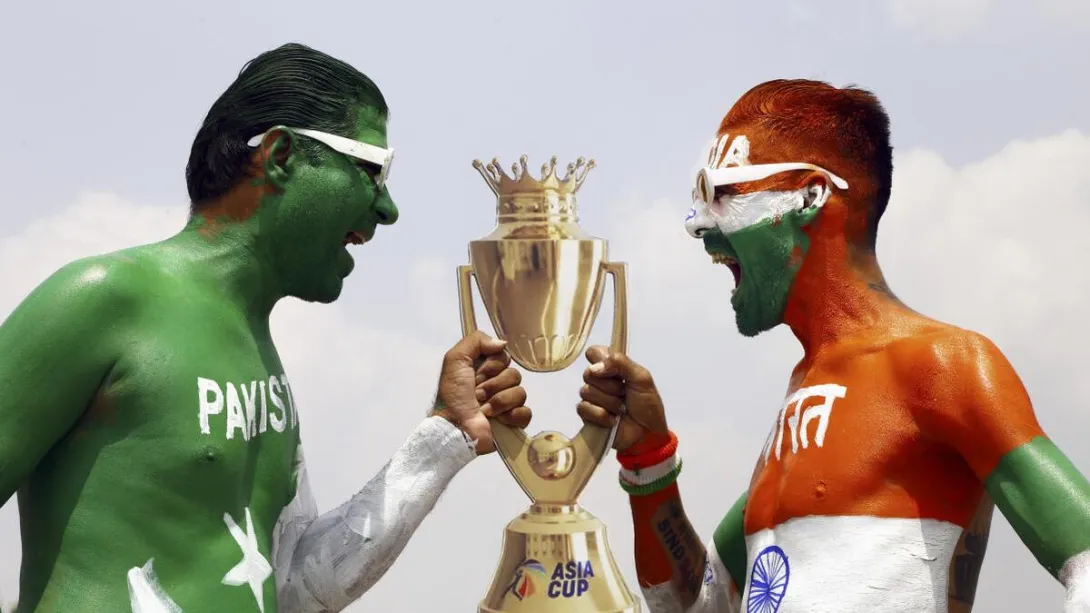
India’s Sports Ministry has reaffirmed its decision to continue the suspension of bilateral sporting engagements with Pakistan, while allowing its athletes to participate in multilateral tournaments hosted in the country. The policy reflects a calibrated approach that balances geopolitical sensitivities with international sporting obligations. By permitting participation in global competitions, India signals compliance with international norms while maintaining a firm bilateral stance. The move carries implications for sports diplomacy, event hosting credibility, and the broader economics of international tournaments, particularly in disciplines where cross-border participation is integral to competitive integrity.
Policy Continuity Amid Diplomatic Strain
In a statement issued on Wednesday, India’s Sports Ministry confirmed that the existing prohibition on bilateral sporting ties with Pakistan will remain unchanged. The decision underscores the continuation of a policy framework introduced last year, reflecting ongoing geopolitical tensions between the two nations.
Bilateral series—once a significant driver of viewership and commercial revenue, especially in cricket—remain off the table. The absence of such contests has not only curtailed sporting exchanges but also impacted associated industries, including broadcasting rights, sponsorships, and tourism-linked revenues.
Multilateral Events Exempt from Restrictions
Despite the continued freeze on direct engagements, the ministry clarified that Pakistani athletes will not face barriers when participating in international, multi-nation competitions आयोजित in India. These include events governed by global federations such as the International Olympic Committee and various world championships.
This exemption aligns with international sporting protocols, which require host nations to ensure non-discriminatory access to all qualified participants. Any deviation could risk sanctions, reputational damage, or even the loss of hosting rights for major tournaments.
Strategic Balance Between Diplomacy and Compliance
The policy reflects a nuanced balancing act. On one hand, India maintains a firm diplomatic posture by avoiding bilateral engagements. On the other, it safeguards its standing within the global sports ecosystem by adhering to international commitments.
From a governance perspective, this dual approach mitigates the risk of conflicts with international federations while preserving domestic political considerations. It also ensures that Indian athletes are not disadvantaged by potential retaliatory restrictions in overseas competitions.
Economic and Commercial Implications
The absence of bilateral contests, particularly in high-revenue sports, represents a tangible economic trade-off. Matches between India and Pakistan have historically generated substantial advertising revenues, ticket sales, and global viewership.
However, by continuing to host multilateral events, India retains access to alternative revenue streams. International tournaments attract sponsorship deals, infrastructure investment, and global media attention, partially offsetting the financial vacuum created by the bilateral freeze.
A Measured Path Forward
The Sports Ministry’s stance signals policy stability while preserving operational flexibility. By separating bilateral politics from multilateral obligations, India positions itself as a responsible stakeholder in global sport without diluting its diplomatic priorities.
As international competitions increasingly rely on inclusive participation, this approach may serve as a template for managing geopolitical tensions without undermining the integrity of sport.
Comments