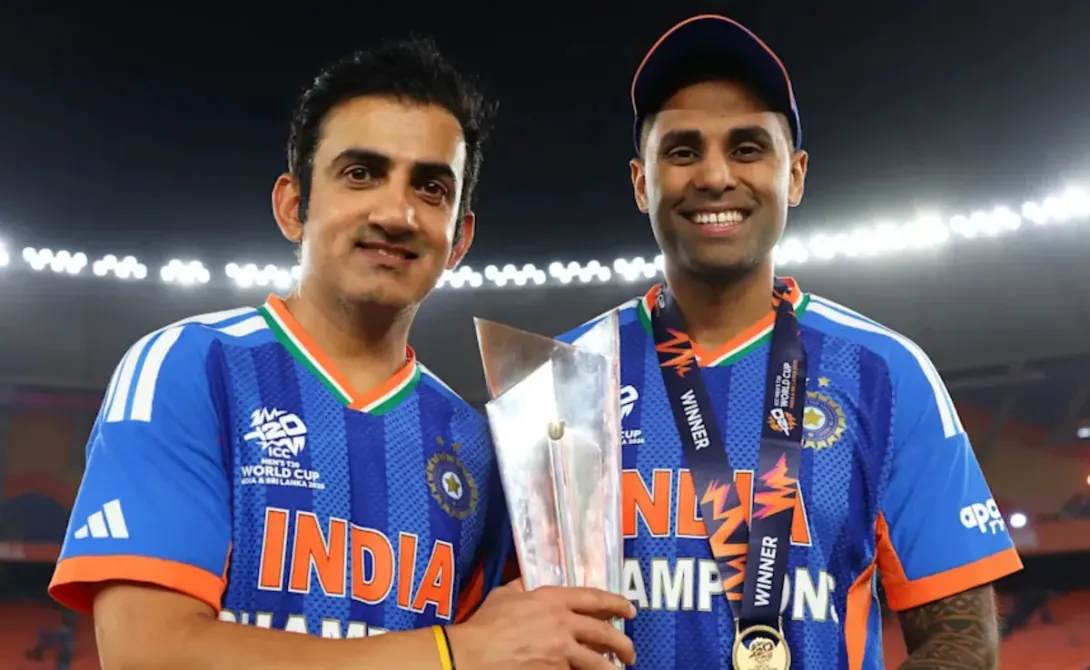
India continues to consolidate its position as one of the most powerful forces in international T20 cricket. With a vast talent pipeline, advanced domestic infrastructure, and commercially successful leagues, the country has built a sustainable ecosystem that supports long-term success in the shortest format of the game. Institutions such as the Board of Control for Cricket in India and tournaments like the Indian Premier League have played a central role in shaping modern T20 strategies and player development. Analysts say India’s structured approach to talent management and sports economics is positioning the nation to remain a dominant player in global T20 competitions.
India’s Expanding Influence in T20 Cricket
India has steadily emerged as a central force in global T20 cricket, combining elite athletic performance with an increasingly sophisticated sports business framework. The national team’s consistent performances in international competitions reflect the country’s strong cricket infrastructure and strategic approach to player development.
The governing body, the Board of Control for Cricket in India, oversees one of the most extensive domestic cricket networks in the world. This system produces a steady flow of skilled players capable of adapting to the high-speed demands of T20 cricket.
As the sport continues to evolve, India’s ability to nurture technically strong and tactically versatile players has become one of its defining competitive advantages.
Domestic Ecosystem Driving Player Development
A major factor behind India’s T20 success is the depth and competitiveness of its domestic cricket structure. Regional tournaments, developmental academies, and youth competitions collectively form a robust pipeline for identifying and nurturing emerging talent.
Young players are exposed to high-quality competition early in their careers, enabling them to refine their skills before entering the international arena. This process ensures that the national team benefits from a wide selection pool of players who are already accustomed to performing under pressure.
Experts believe that the scale and professionalism of India’s domestic ecosystem now rival those of the most advanced sports development models globally.
The Economic Power of Franchise Cricket
The rise of the Indian Premier League has transformed the financial landscape of cricket. The tournament is widely regarded as one of the most lucrative sporting properties in the world, generating billions of rupees through broadcasting rights, sponsorship agreements, and franchise investments.
For players, the league offers invaluable experience competing alongside international stars, while teams benefit from cutting-edge coaching techniques and performance analytics. From a business perspective, the IPL has also created a powerful entertainment platform that attracts global audiences and multinational brands.
This commercial success allows continued investment in sports science, player development, and infrastructure across Indian cricket.
Competitive Depth Strengthening the National Team
India’s T20 squad benefits from a highly competitive selection environment. With hundreds of professional cricketers competing for limited national team positions, players must consistently demonstrate exceptional performance to secure a place.
This competition fosters a culture of professionalism, discipline, and continuous improvement. Modern coaching approaches now incorporate advanced data analytics, biomechanical analysis, and specialized training programs designed to maximize player performance.
Such innovations are helping India remain competitive in an increasingly data-driven era of international sport.
Global Outlook for Indian T20 Cricket
As T20 cricket continues to expand globally, India’s influence on the format remains substantial. The combination of sporting excellence and commercial strength has positioned the country as a key driver of the sport’s growth.
Analysts suggest that India’s integrated model—linking grassroots development, domestic competitions, and franchise leagues—provides a blueprint for other cricketing nations seeking sustainable success.
If current trends continue, India is likely to remain at the forefront of international T20 cricket, shaping both the competitive and economic future of the game.
Comments