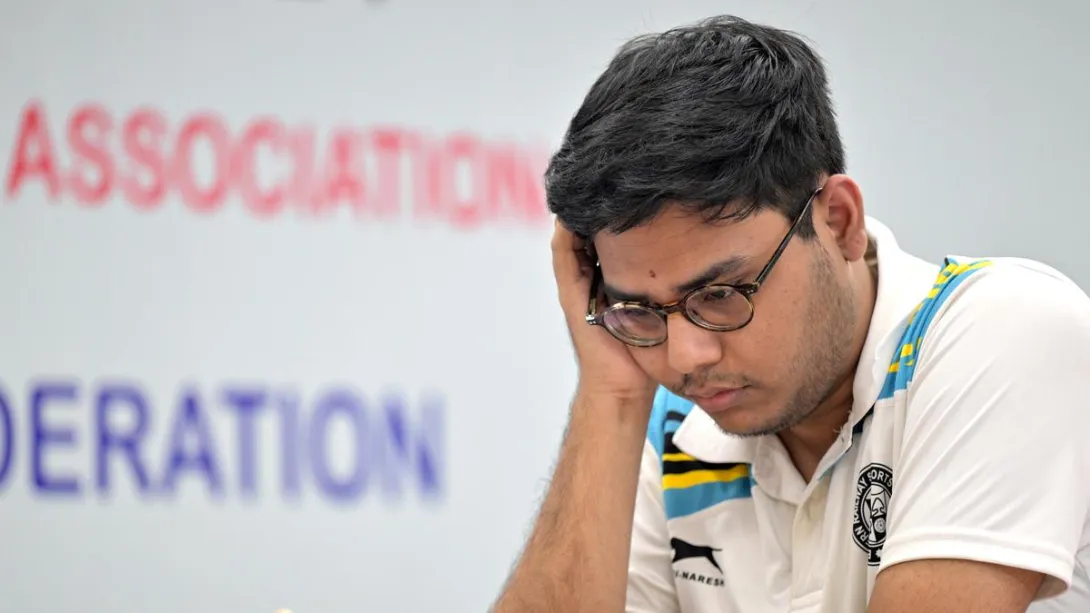
India’s chess ecosystem celebrated a remarkable week of achievements, underscoring the nation’s growing dominance in the global arena. R. Vaishali qualified for the FIDE Women’s World Championship, A. S. Sharvaanica clinched the Under-12 Rapid title, and Aronyak Ghosh secured his final norm to become India’s 95th Grandmaster at the Bangkok Chess Club Open 2026. These milestones highlight the depth of India’s talent pipeline and the effectiveness of its developmental framework. The convergence of youth success and elite progression signals a structurally robust system with rising commercial potential in the international chess landscape.
A Defining Week for Indian Chess
Indian chess witnessed a series of high-impact achievements, reflecting both individual brilliance and systemic strength. R. Vaishali advanced to the FIDE Women’s World Championship, reinforcing her position among the world’s elite players.
Simultaneously, young prodigy A. S. Sharvaanica secured the FIDE Under-12 Rapid Championship title, signaling the emergence of the next generation of global competitors.
Aronyak Ghosh Joins the Grandmaster Elite
The week culminated in a historic milestone as Aronyak Ghosh earned his final norm at the Bangkok Chess Club Open 2026, becoming India’s 95th Grandmaster.
Achieving the Grandmaster title requires consistent high-level performance against elite competition, and Ghosh’s accomplishment reflects both technical excellence and sustained competitive discipline. His entry into this exclusive group further strengthens India’s standing as a global chess powerhouse.
Depth of Talent Signals Structural Strength
The simultaneous success of players across different age groups highlights the depth and diversity of India’s chess talent pool. From youth championships to elite-level qualifications, the country’s pipeline appears both expansive and sustainable.
This multi-tiered success is indicative of improved training infrastructure, increased access to coaching, and the growing popularity of chess as a competitive and intellectual sport in India.
Economic and Commercial Implications
The rise of Indian chess carries meaningful implications for the broader sports economy. Increased international success enhances visibility, attracting sponsorships, media rights, and institutional investment.
As players gain global recognition, they contribute to building a marketable ecosystem around chess—traditionally underrepresented in commercial sports. This momentum could unlock new revenue streams and expand audience engagement, particularly among younger demographics.
Strategic Outlook for Indian Chess
India’s recent achievements suggest a long-term trajectory of sustained excellence. The combination of experienced players and emerging talents provides a balanced competitive framework capable of delivering consistent results on the global stage.
Continued investment in grassroots development, digital platforms, and international exposure will be critical in maintaining this upward momentum.
Conclusion
The latest milestones achieved by Indian players mark a significant moment in the evolution of the country’s chess ecosystem. With Aronyak Ghosh joining the Grandmaster ranks and rising stars making their mark, India is solidifying its position as a global leader in the sport. Beyond competitive success, this surge reflects a broader convergence of talent, infrastructure, and opportunity—elements that are shaping the future of chess both in India and worldwide.
Comments