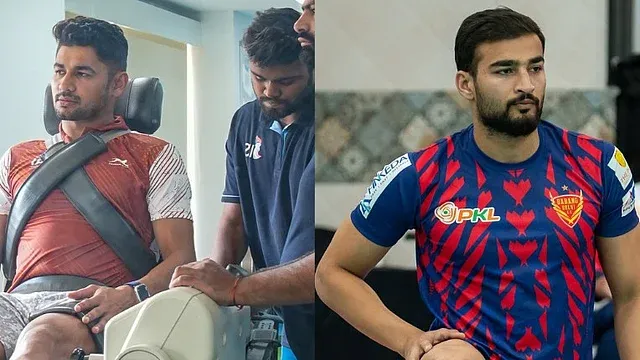
India’s preparation for the 2026 Asian Games has entered a decisive phase as the national kabaddi setup initiates its structured training roadmap. A 45-member pool of probables recently completed a high-intensity strength and conditioning camp, marking the beginning of a multi-stage selection and preparation process. The initiative reflects a shift toward scientific training, performance analytics, and long-term athlete management. With further camps expected ahead of final squad selection, the approach highlights a strategic emphasis on building peak performance readiness. As kabaddi remains a key medal prospect, India’s methodical preparation underscores its commitment to maintaining continental dominance.
Structured Preparation Begins for Asian Games 2026
India’s kabaddi program has formally commenced its build-up to the Asian Games 2026, signaling a focused and systematic approach to high-performance sport. The journey toward the Games in Aichi–Nagoya began with the successful completion of an initial preparatory camp.
A group of 45 probables participated in the camp, laying the foundation for what is expected to be a multi-phase selection and training process. This early start reflects the importance of long-term planning in achieving competitive excellence at the continental level.
High-Performance Training at IIS Bellary
The first phase of preparation was conducted at the Inspire Institute of Sport in Bellary, a facility known for its advanced sports science infrastructure. The camp, held from March 27 to April 2, focused on strength and conditioning (S&C), a critical component of modern kabaddi performance.
Such training programs are designed to enhance endurance, agility, and injury resilience—key attributes in a physically demanding sport. The emphasis on S&C also reflects a broader transition toward data-driven and science-backed training methodologies in Indian sports.
A Broad Talent Pool and Competitive Selection
The inclusion of 45 players in the initial camp indicates a deliberate effort to widen the talent pool before narrowing down to the final squad. This approach ensures that selection is based on performance metrics, adaptability, and consistency rather than reputation alone.
From a management perspective, this model improves competitive intensity within the squad, as players are continuously evaluated across multiple parameters. It also reduces the risk of over-reliance on a limited group of athletes, fostering depth and resilience in the team structure.
Strategic Importance of Multi-Phase Camps
With additional training camps expected in the coming months, the preparation strategy is clearly designed as a phased process. Each stage will likely focus on specific aspects, including tactical refinement, match simulation, and team cohesion.
This layered approach aligns with global best practices in elite sport, where preparation is broken into measurable phases to optimize performance outcomes. It allows coaching staff to monitor progress, address weaknesses, and ensure that players peak at the right time.
Kabaddi’s Economic and Strategic Value
Kabaddi continues to be one of India’s most successful sports at the Asian Games, making it a high-priority discipline in terms of medal expectations. Success in such events not only enhances national prestige but also contributes to the sport’s commercial growth.
From a financial standpoint, consistent international performance strengthens sponsorship opportunities, league valuations, and grassroots investment. As kabaddi’s popularity expands through professional leagues, maintaining dominance at the continental level becomes both a sporting and economic imperative.
Conclusion: A Data-Driven Path to Continental Dominance
India’s early and structured preparation for the 2026 Asian Games reflects a maturing sports ecosystem that prioritizes planning, performance analytics, and athlete development. The completion of the initial camp is not merely a routine exercise but a strategic step toward sustained excellence.
As the selection process progresses, the focus will remain on building a balanced, resilient, and high-performing squad. In a sport where margins are often defined by preparation, India’s methodical approach could prove decisive in retaining its dominance on the Asian stage.
Comments