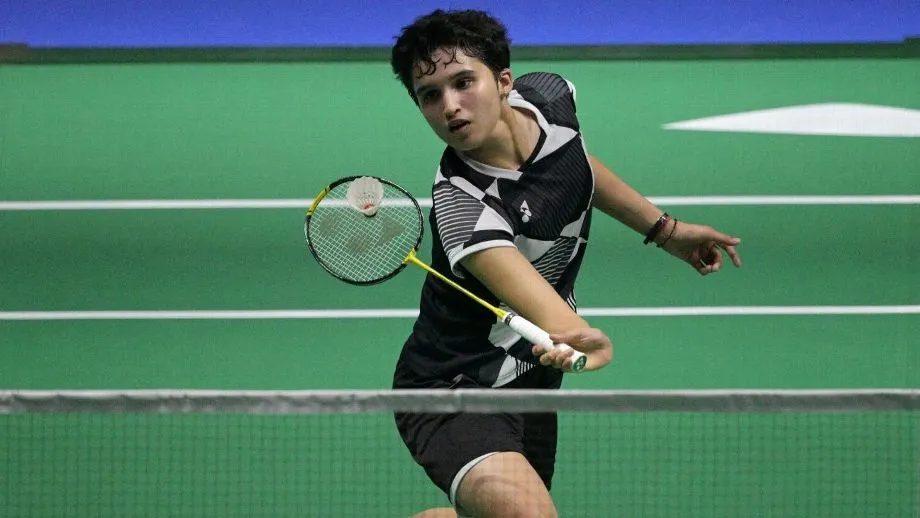
India’s sports ecosystem in 2026 is entering a high-intensity phase, defined by a dense competition calendar and rising commercial significance. With the Commonwealth Games, Asian Games, and two Chess World Championships scheduled, the year represents a convergence of athletic ambition and economic opportunity. April, in particular, has emerged as a crucial period, featuring a packed schedule across disciplines that is shaping selections, rankings, and narratives. As the volume of matches and results accelerates, structured daily reporting has become essential for tracking developments, offering stakeholders—fans, investors, and sponsors alike—a consolidated view of performance trends and the evolving business of sport.
A High-Stakes Year for Indian Sport
The Indian sporting calendar in 2026 reflects both scale and strategic importance. The inclusion of flagship events such as the Commonwealth Games and the Asian Games elevates the year beyond routine competition, transforming it into a benchmark for national performance and institutional preparedness.
These events serve as critical indicators of India’s progress in athlete development, high-performance training systems, and international competitiveness. Success on these stages often has a cascading impact—strengthening funding pipelines, attracting sponsorship capital, and reinforcing the country’s global sporting reputation.
Simultaneously, the scheduling of two Chess World Championships highlights India’s growing intellectual capital in sport, reinforcing its position as a dominant force in global chess.
April: The Crucible of Momentum
April stands out as one of the most action-packed months in the annual sports cycle. Across disciplines, athletes are engaged in tournaments, qualifiers, and ranking events that carry significant implications for the rest of the year.
This period is not merely about immediate results; it is about momentum-building. Performances recorded in April often influence national team selections, determine seedings in major tournaments, and shape narratives that follow athletes into marquee competitions.
For federations and coaching staff, it is also a time of evaluation—where data-driven decisions regarding form, fitness, and tactical readiness come into sharper focus.
The Rise of Consolidated Sports Intelligence
With multiple events unfolding simultaneously, the challenge of information overload has become increasingly pronounced. On any given day, developments may emerge from cricket, athletics, badminton, wrestling, football, and chess, among others.
This complexity has elevated the importance of centralized, daily sports reporting formats. Comprehensive coverage that aggregates:
- real-time scores and outcomes
- upcoming fixtures and schedules
- athlete performance metrics
- expert commentary and analysis
has become indispensable for audiences seeking clarity and context.
Such reporting not only informs but also shapes perception, offering a narrative framework that connects individual performances to broader trends in Indian sport.
Commercial Implications and Market Dynamics
Beyond competition, 2026 represents a significant commercial inflection point for India’s sports industry. Major multi-sport events traditionally act as catalysts for increased advertising spend, media rights negotiations, and brand partnerships.
Strong performances by Indian athletes can translate into tangible economic gains, including endorsement deals, franchise valuations, and expanded fan engagement across digital platforms. The intersection of sport and business is now more pronounced than ever, with stakeholders closely monitoring metrics such as viewership growth, sponsorship ROI, and content monetization.
In this context, a packed sporting calendar is not just a logistical challenge—it is a revenue-generating engine that fuels the broader sports economy.
Strategic Outlook: Beyond the Scoreboard
As the year progresses, the intensity of competition is expected to escalate, with April serving as a foundational phase in a longer competitive arc. Each result, ranking shift, and performance milestone contributes to a larger narrative—one that blends athletic excellence with economic potential.
For India, 2026 is shaping up to be a year where sport transcends its traditional boundaries, evolving into a sophisticated ecosystem driven by performance analytics, commercial strategy, and global ambition.
Conclusion
In a year defined by scale, speed, and stakes, staying informed is critical. The rapid succession of events and outcomes requires not only attention but also structured interpretation. As India navigates this pivotal sporting cycle, the convergence of competition and commerce will continue to redefine how success is measured—both on the field and in the marketplace.
Comments