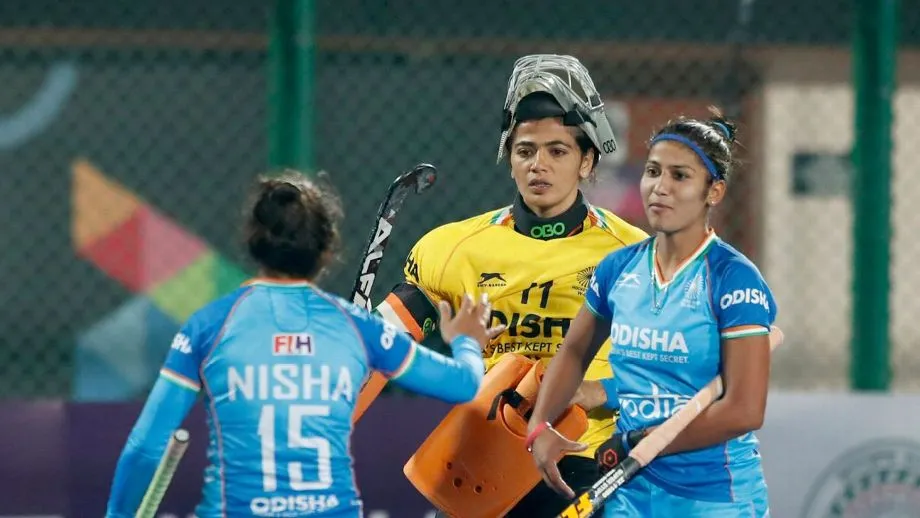
India’s sports landscape in 2026 is defined by an unprecedented convergence of global tournaments, rising fan engagement, and expanding commercial opportunities. With marquee events such as the Commonwealth Games and the Asian Games, alongside two Chess World Championships, the year is poised to elevate India’s global sporting stature. April, in particular, reflects this intensity through a packed competition schedule across disciplines. Comprehensive coverage from platforms like ESPN ensures real-time access to results and analysis, reinforcing the professionalization and financial maturation of India’s rapidly evolving sports ecosystem.
A Landmark Year in India’s Sporting Calendar
The year 2026 represents a defining phase in the evolution of Indian sports, characterized by scale, visibility, and economic potential. The hosting and participation in globally recognized events such as the Commonwealth Games and the Asian Games underscore India’s growing influence in international athletics.
Simultaneously, the inclusion of two prestigious global chess tournaments highlights the country’s intellectual dominance in the sport, reinforcing its reputation as a breeding ground for world-class talent. These developments collectively signal a shift from participation-driven engagement to performance-centric ambition.
April’s Packed Schedule Reflects Operational Intensity
April emerges as one of the busiest months in the sporting calendar, offering a microcosmic view of the year’s broader dynamism. Multiple tournaments across disciplines are scheduled concurrently, requiring meticulous planning, athlete management, and logistical coordination.
Daily updates curated by ESPN play a pivotal role in streamlining information flow for fans, analysts, and investors. From match results to performance analytics, such centralized platforms are essential in an environment where real-time data consumption drives engagement and commercial value.
Media, Monetization, and Market Expansion
The increasing density of sporting events has direct implications for revenue generation and market expansion. Broadcasting rights, digital streaming, sponsorship agreements, and brand endorsements are witnessing upward momentum, supported by a growing and digitally connected audience base.
Events like the Asian Games and Commonwealth Games act as catalysts for corporate participation, enabling brands to align with national pride and mass viewership. This synergy between sport and commerce is fostering a structured sports economy, where revenue diversification is becoming increasingly sophisticated.
The Rise of Data-Driven Sports Consumption
The evolution of sports coverage in India reflects a broader transition toward analytics-driven storytelling. Platforms such as ESPN are not merely disseminating information but are shaping narratives through data-backed insights and expert commentary.
This transformation enhances audience engagement while also supporting stakeholders in making informed decisions. From team strategies to investment planning, data has become a central pillar in the sports value chain.
Strategic Implications for the Future
Beyond immediate competition, 2026 is likely to have enduring implications for India’s sports infrastructure and policy framework. The scale of events necessitates improvements in training facilities, talent identification systems, and governance models.
For investors, the sector presents a compelling opportunity characterized by high growth potential and increasing institutional support. For athletes, it offers a global stage to redefine competitive benchmarks and elevate India’s standing across disciplines.
Conclusion
India’s sporting narrative in 2026 is one of ambition, execution, and transformation. With a packed calendar, rising financial stakes, and enhanced media coverage, the country is transitioning into a mature sports economy. As April’s action-packed schedule demonstrates, the pace of progress is relentless, positioning India not just as a participant, but as a formidable force in the global sporting arena.
Comments