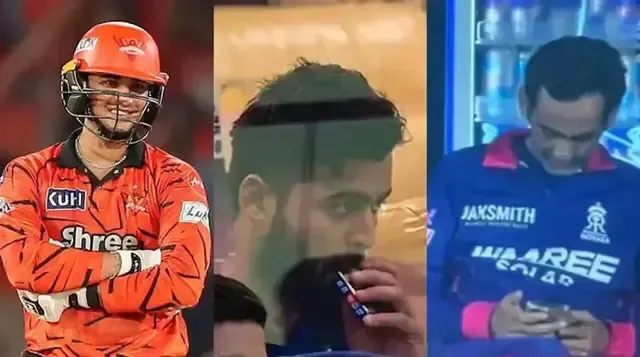
The Indian Premier League 2026 season has delivered electrifying cricket, marked by high-scoring encounters and an intense playoff race. However, beneath the on-field spectacle, concerns over disciplinary breaches have begun to surface. With 46 of the 70 league-stage matches completed, multiple players and team officials have faced penalties under the league’s Code of Conduct, administered by the Board of Control for Cricket in India. The growing number of infractions highlights an emerging governance challenge for the league, raising questions about professionalism, compliance standards, and the balance between entertainment intensity and behavioral discipline.
A Season Defined by Entertainment and Intensity
The IPL 2026 season has largely been celebrated for its explosive batting displays and closely contested matches. Teams have consistently pushed scoring boundaries, keeping playoff qualification scenarios wide open as the tournament approaches its decisive phase.
The competitive balance has enhanced viewership engagement, reinforcing the IPL’s position as one of the most commercially successful sporting leagues globally. However, the same intensity driving on-field entertainment has also contributed to heightened pressure across teams.
Rising Incidents of Code of Conduct Violations
Despite the on-field success, the season has witnessed a notable increase in disciplinary breaches involving both players and team personnel. According to league updates, several individuals have already been sanctioned for violations of established conduct guidelines.
These penalties, issued under the supervision of the Board of Control for Cricket in India, reflect a stricter enforcement approach aimed at maintaining professional standards. The incidents range from minor protocol breaches to behavioral infractions within team environments.
Governance Challenges for the League
With 46 of 70 league-stage matches completed, the volume of disciplinary cases has drawn administrative attention. While the majority of matches have proceeded without incident, the cumulative number of violations suggests a need for stronger compliance mechanisms.
From a governance perspective, the IPL faces the challenge of managing a complex ecosystem involving international players, franchise staff, and high-pressure commercial expectations. Ensuring consistent adherence to conduct standards is increasingly viewed as essential to preserving the league’s integrity.
Commercial Stakes and Brand Integrity
The IPL operates as a multi-billion-rupee sporting enterprise, supported by broadcasting rights, sponsorship agreements, and global digital audiences. In such an environment, reputational risks carry significant financial implications.
Disciplinary controversies, even if isolated, can affect brand perception and stakeholder confidence. As a result, maintaining strict behavioral oversight is not only a regulatory necessity but also a commercial imperative for long-term sustainability.
Balancing Entertainment with Professional Standards
One of the central tensions in modern franchise cricket lies in balancing high-intensity entertainment with disciplined professionalism. The IPL’s fast-paced, high-reward structure naturally amplifies emotions, which can sometimes translate into on-field or off-field infractions.
Administrators are now tasked with ensuring that the league retains its entertainment value while reinforcing a culture of accountability. This includes clearer guidelines, consistent enforcement, and improved education around conduct expectations.
A Critical Phase in League Evolution
As the IPL moves toward its playoff stage, both sporting and administrative narratives are converging. While fans remain focused on match outcomes and qualification scenarios, the governing body is increasingly attentive to behavioral compliance.
The rise in Code of Conduct cases serves as a reminder that the league’s success depends not only on athletic excellence but also on institutional discipline. How effectively these challenges are managed will shape the IPL’s reputation as both a sporting spectacle and a professionally governed global brand.
Comments