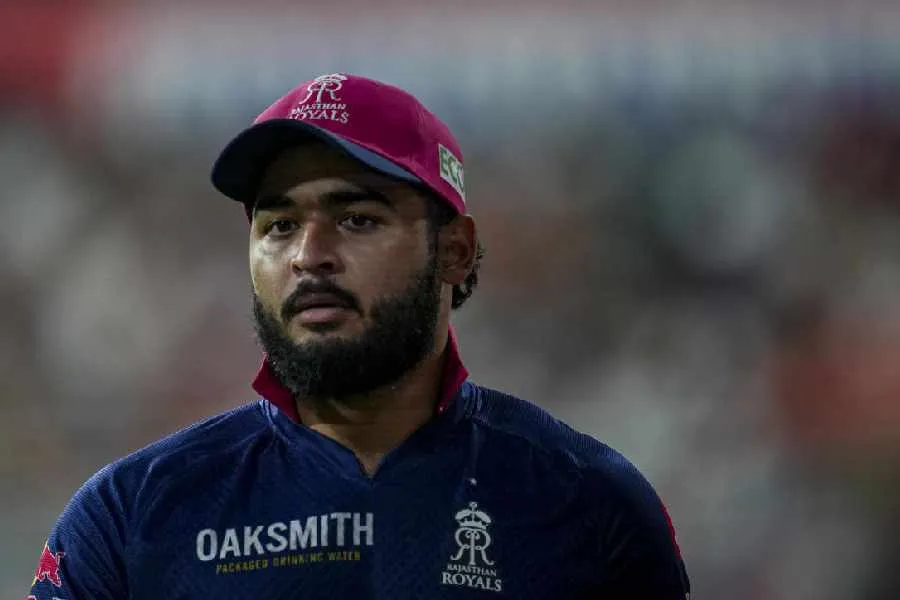
A controversy has emerged in the Indian Premier League after Rajasthan Royals captain Riyan Parag was caught on camera vaping during a live match against Punjab Kings in Mullanpur. The incident has triggered disciplinary action, with a proposed 25 percent fine on his match fee for conduct deemed detrimental to the league’s image. Beyond immediate penalties, the episode has reignited broader concerns about professionalism, athlete accountability, and brand integrity in one of cricket’s most commercially valuable tournaments. As social media backlash intensifies, the league faces renewed pressure to enforce stricter behavioral standards among its high-profile players.
A Breach of Conduct in a High-Stakes Tournament
The Indian Premier League (IPL), widely regarded as a premium sporting property, thrives on its carefully cultivated image of professionalism and entertainment. Against this backdrop, the actions of Riyan Parag, captain of Rajasthan Royals, have drawn significant scrutiny. During a match against Punjab Kings in Mullanpur, Parag was captured on camera vaping—an act that the league has classified as bringing the game into “disrepute.”
Such conduct is not merely a personal lapse but one that intersects with the IPL’s broader governance framework. The league’s code of conduct emphasizes discipline and decorum, particularly given its global audience and substantial commercial stakes.
Financial Penalties and Regulatory Implications
In response to the incident, Parag is set to incur a fine amounting to 25 percent of his match fee. While the monetary penalty itself may not be materially significant for a high-earning professional athlete, its symbolic value is considerable. It underscores the league’s intent to maintain regulatory discipline and deter similar conduct.
From a governance standpoint, the IPL operates within a complex ecosystem involving sponsors, broadcasters, and franchise owners. Any behavior that undermines its reputation can have downstream financial implications, including brand dilution and reduced sponsor confidence.
Social Media Backlash and Public Perception
The incident quickly gained traction across digital platforms, where fans and commentators expressed disapproval. In today’s hyper-connected media environment, reputational risks are amplified, often translating into immediate and widespread criticism.
For a league like the Indian Premier League, which relies heavily on fan engagement and brand loyalty, such controversies can erode public trust. The backlash reflects a growing expectation that athletes, particularly team leaders, adhere to higher standards of conduct both on and off the field.
Leadership Responsibility and Brand Equity
As captain, Parag occupies a position of influence and visibility. Leadership in professional sports extends beyond tactical decisions—it encompasses role modeling and adherence to ethical standards. Any deviation can have a cascading effect on team culture and public perception.
Franchises like Rajasthan Royals invest heavily in building a cohesive brand identity. Incidents of this nature risk undermining those efforts, potentially affecting sponsorship deals and long-term valuation. In an era where sports franchises are increasingly viewed as corporate entities, maintaining brand equity is paramount.
A Moment for Reflection in the IPL Ecosystem
While the immediate consequences for Parag are clear, the broader implications for the IPL warrant deeper reflection. The league must balance its entertainment-driven ethos with the need for stringent governance. This incident could prompt a reassessment of player conduct policies and enforcement mechanisms.
Ultimately, the episode serves as a reminder that in high-value sporting ecosystems, individual actions can have systemic repercussions. For the IPL, safeguarding its reputation remains not just a regulatory necessity but a commercial imperative.
Comments