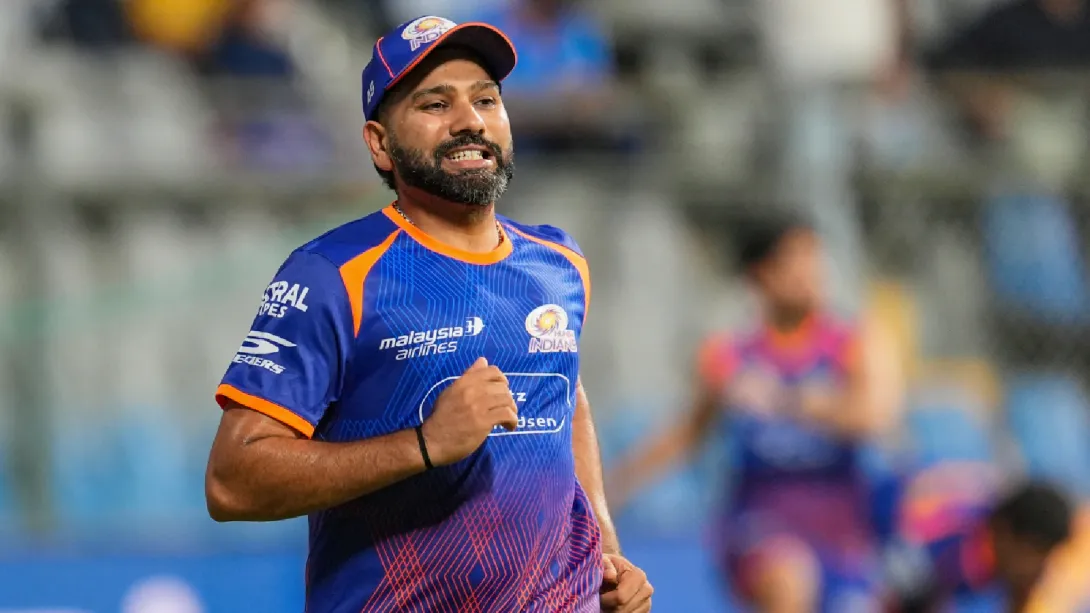
The Mumbai Indians are entering a decisive phase in the Indian Premier League 2026 season, with head coach Mahela Jayawardene emphasizing stability over experimentation. With only two wins from eight matches, the five-time champions sit near the bottom of the standings, facing a must-win scenario in their remaining fixtures. Frequent squad changes, driven by injuries and inconsistent performances, have disrupted team cohesion. As they prepare to face Chennai Super Kings at M. A. Chidambaram Stadium, strategic clarity and consistency have become critical to reviving their playoff ambitions.
A Season at a Crossroads
Mumbai Indians find themselves at a critical juncture in IPL 2026, with their campaign teetering on the brink. With just two victories from eight matches, the franchise—historically synonymous with dominance—has slipped to ninth place in the points table.
Each remaining match now carries playoff implications, effectively turning the rest of the season into a sequence of must-win encounters. For a team accustomed to commanding performances, the current scenario represents both a sporting and reputational challenge.
Leadership Calls for Stability Over Experimentation
Head coach Mahela Jayawardene has made it clear that the phase of experimentation is over. With the margin for error rapidly shrinking, the focus has shifted toward consolidating a stable playing XI.
In franchise cricket, especially in a high-pressure environment like the IPL, constant changes can disrupt rhythm and undermine player confidence. Jayawardene’s approach reflects a strategic pivot—prioritizing clarity of roles and consistency over trial-and-error selection.
Squad Rotation: A Double-Edged Sword
Mumbai Indians’ campaign has been marked by significant squad rotation. The team has utilized as many as 22 players in the first half of the season, a stark departure from its traditional reliance on a settled core group.
While injuries have necessitated some of these changes, the frequent reshuffling has also highlighted the team’s struggle to identify a reliable combination. Such instability can affect on-field chemistry, decision-making, and overall performance.
From a management perspective, this scenario underscores the importance of depth planning and injury mitigation strategies in sustaining competitiveness across a long tournament.
The Chennai Test: A Defining Fixture
The upcoming clash against Chennai Super Kings at the M. A. Chidambaram Stadium represents a pivotal moment in Mumbai’s campaign. Known for its challenging conditions and strong home advantage, Chepauk will test both the team’s tactical adaptability and mental resilience.
A victory could reignite playoff hopes and restore confidence, while a defeat would further complicate an already precarious situation. The stakes, therefore, extend beyond points to include momentum and belief.
Commercial and Brand Implications
Mumbai Indians are not just a cricket team but a major commercial entity within the IPL ecosystem. Prolonged underperformance can influence sponsorship value, fan engagement, and media narratives.
Consistency on the field is closely tied to brand strength off it. As one of the league’s most valuable franchises, Mumbai’s ability to recover from this slump will have implications for its long-term market positioning and stakeholder confidence.
Conclusion: A Test of Strategy and Resilience
The remainder of IPL 2026 presents Mumbai Indians with a clear mandate: stabilize, execute, and win. With experimentation set aside, the emphasis is now on discipline, role clarity, and collective performance.
In a tournament defined by momentum shifts, a turnaround is still within reach. However, achieving it will require not just tactical adjustments but also a renewed sense of purpose—qualities that have historically defined Mumbai Indians at their best.
Comments