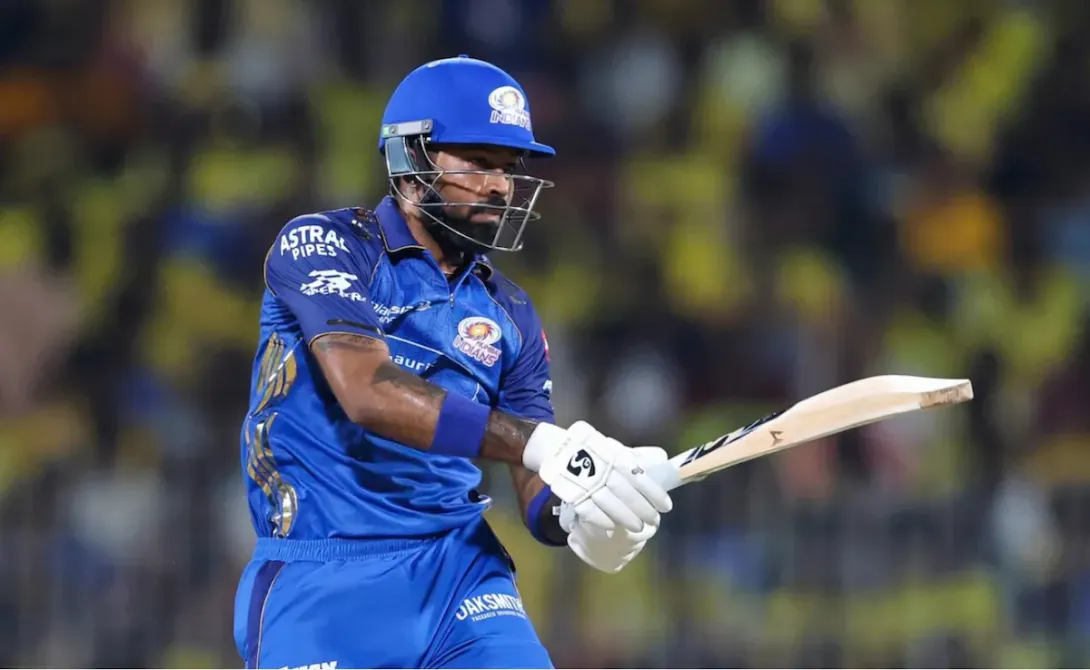
Mumbai Indians’s disappointing 2026 Indian Premier League campaign has intensified following the franchise’s elimination from playoff contention amid recurring absences of captain Hardik Pandya. All-rounder Corbin Bosch acknowledged the challenges created by the skipper’s unavailability but stressed that the team must continue adapting under difficult circumstances. Mumbai’s narrow defeat to Royal Challengers Bengaluru in Raipur effectively ended their postseason hopes. Pandya’s recurring fitness concerns and the franchise’s inconsistent performances have raised broader questions about leadership stability, squad depth, and the evolving competitive pressures within modern franchise cricket.
Mumbai Indians Endure Difficult Campaign
The 2026 season of the Indian Premier League has proven deeply frustrating for Mumbai Indians, a franchise historically associated with sustained success and championship pedigree.
The team’s playoff hopes officially ended following a narrow defeat to Royal Challengers Bengaluru in Raipur, marking another setback in a campaign defined by inconsistency, injuries, and leadership disruptions.
Speaking after the loss, Corbin Bosch admitted the absence of regular captain Hardik Pandya had created additional challenges for the side. However, the South African all-rounder emphasized that professional teams must continue adapting regardless of personnel setbacks.
His remarks reflected the broader reality confronting Mumbai Indians this season: maintaining competitive stability without their designated leader during crucial stages of the tournament.
Hardik Pandya’s Fitness Concerns Impact Campaign
Hardik Pandya missed the crucial encounter against Royal Challengers Bengaluru due to a back spasm, adding to a growing list of absences during the season.
The match marked the third group-stage fixture Pandya was unavailable for, having also missed games against Delhi Capitals and Lucknow Super Giants earlier in the campaign.
While Mumbai Indians possess considerable squad depth, the repeated absence of their captain disrupted continuity both tactically and psychologically. Leadership stability often becomes critical during tightly contested tournaments where momentum can shift rapidly.
Cricket analysts believe Pandya’s unavailability exposed vulnerabilities within the franchise’s overall structure, particularly in managing pressure situations and maintaining consistency during key phases of the season.
Mumbai Indians Struggle to Maintain Winning Rhythm
Historically, Mumbai Indians has been regarded as one of the IPL’s most professionally managed and strategically disciplined franchises.
With five league titles, the organization built its reputation on strong leadership, calculated recruitment, and an ability to peak during decisive moments. However, the current campaign has highlighted the growing challenges of sustaining dominance in an increasingly competitive league environment.
The franchise struggled to establish a consistent winning rhythm throughout the season, with injuries, fluctuating form, and tactical inconsistencies undermining momentum.
Despite possessing several high-profile players, Mumbai repeatedly failed to convert close contests into victories — a factor that ultimately proved decisive in their elimination from playoff contention.
IPL Competition Growing More Intense
Mumbai Indians’ disappointing campaign also reflects the broader evolution of the Indian Premier League into an exceptionally competitive and commercially sophisticated tournament.
The talent gap between franchises has narrowed significantly in recent years due to advanced scouting systems, improved domestic talent pipelines, and aggressive player acquisition strategies. As a result, even historically dominant teams can no longer rely solely on legacy reputation or star power.
Modern IPL success increasingly depends on squad balance, fitness management, tactical flexibility, and leadership continuity.
Industry observers note that the league’s compressed schedule and relentless competitive intensity leave minimal room for prolonged instability, especially when captaincy disruptions occur during crucial fixtures.
Leadership and Succession Questions Emerge
The difficult season may also reignite broader discussions surrounding Mumbai Indians’ long-term leadership structure.
Hardik Pandya’s appointment as captain was viewed as part of a strategic transition toward a new era for the franchise. However, injuries and inconsistent team performances have complicated that process.
Franchises operating within the IPL’s billion-rupee commercial ecosystem face immense pressure to maintain competitive relevance. Consequently, leadership decisions are often evaluated not only through sporting outcomes but also through branding, fan engagement, and long-term business strategy.
While Mumbai Indians remain one of cricket’s most valuable franchises, the disappointing campaign may prompt internal reassessments regarding squad construction and leadership planning ahead of future seasons.
Corbin Bosch Stresses Need for Resilience
Despite the setback, Corbin Bosch emphasized the importance of resilience and adaptability within professional sport.
His comments reflected a pragmatic understanding of elite cricket, where injuries and unexpected disruptions are unavoidable components of long tournaments. Successful franchises are often defined by their ability to absorb setbacks without allowing standards to collapse.
Bosch’s observations also highlighted the mental challenges associated with franchise cricket, where players operate under constant scrutiny from media, supporters, sponsors, and management.
Maintaining focus amid disappointment remains a crucial part of sustaining professional standards within elite sporting organizations.
Mumbai Indians Look Toward Rebuilding Phase
With playoff qualification no longer possible, attention is likely to shift toward how Mumbai Indians plans its recovery ahead of next season.
The franchise remains one of the IPL’s most commercially influential and globally recognized teams, ensuring expectations will remain exceptionally high moving forward.
Management decisions regarding player retention, leadership structure, injury management, and tactical planning are expected to become central talking points during the offseason.
For Mumbai Indians, the 2026 campaign may ultimately serve as a reminder that past success offers no guarantees in modern franchise cricket — particularly in a league where competition continues to intensify with every season.
Comments