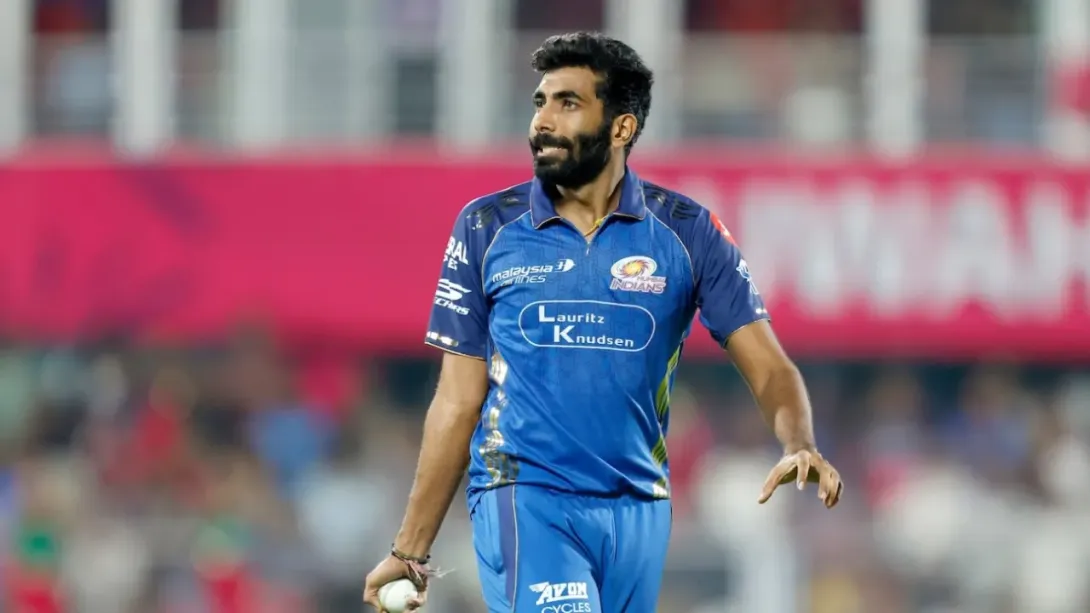
The 2026 season of the Indian Premier League has exposed unexpected vulnerabilities within Mumbai Indians, as the team languishes near the bottom of the points table despite boasting world-class talent. Key performers, including Suryakumar Yadav and Jasprit Bumrah, have struggled to deliver consistent match-winning contributions. With both players entering the season as T20 World Cup champions, their dip in form has raised questions about performance cycles, team strategy, and the pressures of elite-level competition in a high-stakes commercial league environment.
A Season of Underperformance for Mumbai Indians
Mumbai Indians, historically one of the most successful franchises in the IPL, find themselves navigating an uncharacteristically difficult campaign. Positioned near the bottom of the standings, the team has failed to convert potential into results, despite a roster filled with proven match-winners.
The current situation underscores the unpredictable nature of T20 cricket, where even established teams can experience sharp fluctuations in performance. For stakeholders and fans alike, the franchise’s struggles highlight the fine margins that define success in a tightly contested league.
Star Players Yet to Find Rhythm
Among the most notable concerns has been the subdued form of Suryakumar Yadav. With 162 runs at an average of 20.25 and a strike rate of 140.86, his output falls short of the explosive standards he is known for. As a player often relied upon to anchor and accelerate innings, his relative inconsistency has had a direct impact on the team’s batting stability.
Similarly, Jasprit Bumrah, widely regarded as one of the premier fast bowlers in world cricket, has faced an unusually lean phase. With just two wickets at an average of 132 and an economy rate of 8.8, his figures reflect a departure from his typically match-defining performances.
The Burden of Expectations
Both Suryakumar Yadav and Jasprit Bumrah entered the IPL season on the back of global success, having played pivotal roles in India’s T20 World Cup triumph. Such achievements, while elevating their stature, also amplify expectations.
In high-visibility leagues like the IPL, performance pressure is compounded by commercial stakes, media scrutiny, and fan engagement. Even marginal dips in form can attract disproportionate attention, particularly when associated with marquee players.
Coaching Perspective and Strategic Adjustments
Ahead of a crucial fixture against Chennai Super Kings, head coach Mahela Jayawardene addressed the team’s challenges. While acknowledging the dip in individual performances, the coaching staff appears focused on maintaining long-term confidence rather than reacting impulsively.
From a management standpoint, such situations require a balance between tactical adjustments and psychological support. Coaches often prioritize process-driven approaches, emphasizing consistency and role clarity over short-term outcomes.
Financial and Brand Implications
Mumbai Indians’ performance has broader implications beyond the field. As one of the IPL’s most valuable franchises, its success directly influences sponsorship value, fan engagement, and media narratives.
Underperformance, particularly by high-profile players, can affect brand perception and commercial momentum. However, it also presents an opportunity for strategic recalibration, reinforcing the importance of squad depth and adaptability in sustaining long-term competitiveness.
Conclusion: A Test of Resilience and Recovery
The current phase for Mumbai Indians represents a critical test of resilience. While the struggles of key players like Suryakumar Yadav and Jasprit Bumrah are evident, their track records suggest that a turnaround remains possible.
In a league defined by momentum shifts, recovery often hinges on regaining confidence and executing fundamentals effectively. As the season progresses, Mumbai Indians’ ability to navigate adversity will not only determine their campaign outcome but also reaffirm their standing as one of the IPL’s most resilient franchises.
Comments