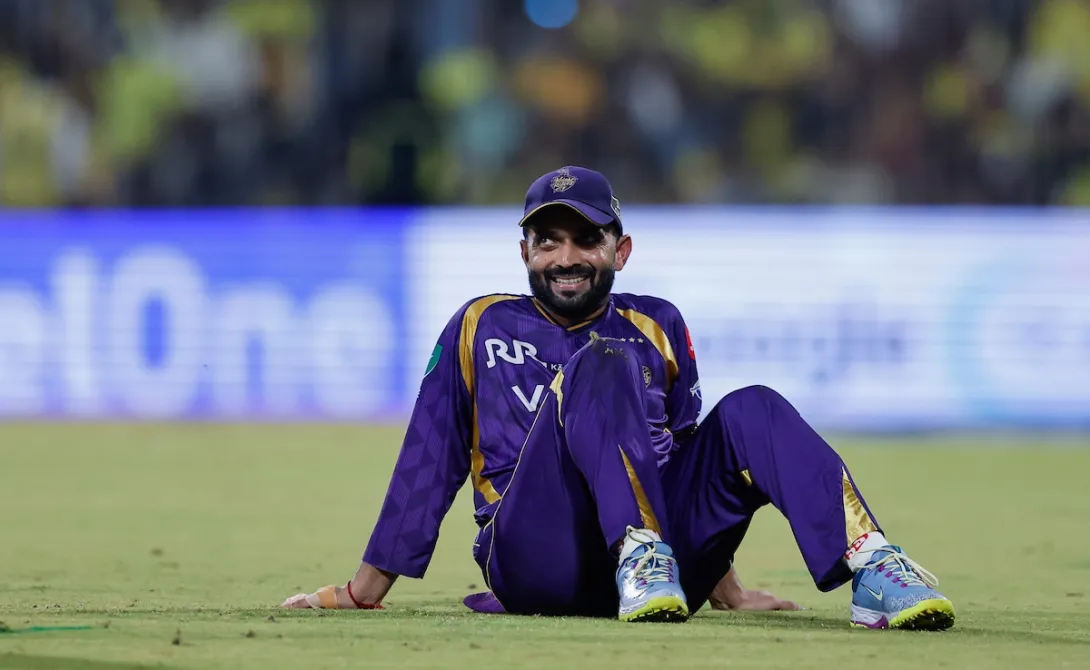
Kolkata Knight Riders’ winless start to IPL 2026 has raised serious concerns about the franchise’s tactical direction and on-field execution. With five consecutive defeats, the team finds itself at the bottom of the standings, a stark contrast to its historical stature. Underwhelming performances from key players, including Cameron Green, Varun Chakravarthy, and captain Ajinkya Rahane, have compounded the crisis. While the IPL format insulates teams from relegation, the current trajectory reflects deeper structural inefficiencies. The situation highlights the importance of leadership clarity, role definition, and adaptability in sustaining competitiveness in high-stakes franchise cricket.
A Disappointing Start to IPL 2026
Kolkata Knight Riders have endured a difficult opening phase in the Indian Premier League 2026 season, registering five consecutive losses. The franchise, traditionally regarded as a strong contender, now sits at the bottom of the points table, signaling a sharp decline in performance standards.
Such a prolonged losing streak early in the tournament significantly diminishes playoff prospects and places immediate pressure on team management to reassess strategies.
Underperformance of Key Players
A central factor behind KKR’s struggles has been the lack of impact from core players. Cameron Green, expected to provide all-round stability, has yet to deliver consistent match-winning contributions.
Similarly, Varun Chakravarthy has struggled to replicate his earlier effectiveness with the ball, reducing the team’s ability to control middle overs. Captain Ajinkya Rahane, tasked with steering the side through a challenging phase, faces scrutiny over both his individual form and leadership decisions.
Tactical Gaps and Execution Failures
KKR’s current predicament reflects deeper tactical inefficiencies rather than isolated individual failures. The team has struggled to strike the right balance between batting aggression and bowling discipline, often failing to capitalize on crucial match situations.
In the fast-paced T20 format, adaptability and clarity of roles are essential. KKR’s inability to adjust strategies dynamically—whether in powerplay utilization or death-over execution—has contributed to repeated setbacks.
Structural Safety but Competitive Pressure
Unlike football leagues such as the English Premier League, where teams face relegation for poor performance, the IPL structure ensures franchise continuity regardless of results. This absence of relegation provides financial stability but does not shield teams from reputational and competitive consequences.
Sustained underperformance can erode fan engagement, diminish brand equity, and influence future player acquisition strategies.
Path to Recovery
With the tournament progressing rapidly, KKR’s margin for error has narrowed considerably. Immediate improvements in both individual performances and team coordination are essential to revive their campaign.
The franchise must focus on redefining player roles, strengthening decision-making under pressure, and fostering cohesion within the squad. A swift turnaround, while challenging, remains possible if corrective measures are implemented decisively.
Conclusion
Kolkata Knight Riders’ winless run in IPL 2026 underscores the unforgiving nature of modern T20 cricket. While structural safeguards prevent relegation, competitive relevance depends entirely on performance. For KKR, the coming matches represent a critical juncture—one that will determine whether the team can reclaim its identity or continue to struggle in a fiercely contested league environment.
Comments