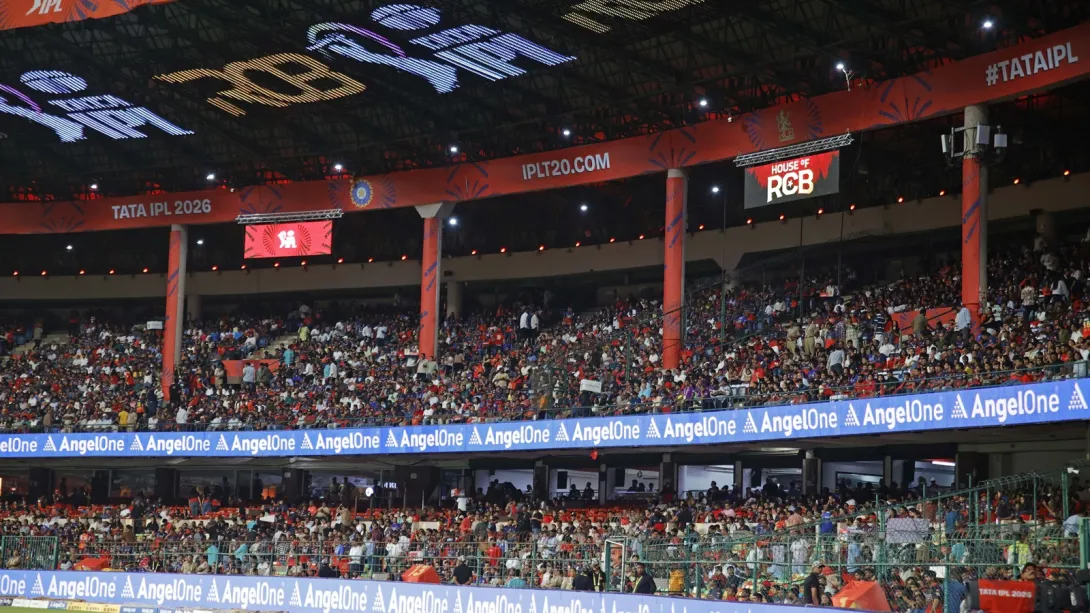
A fresh controversy has emerged in the Indian Premier League (IPL) after Chennai Super Kings (CSK) formally raised concerns with the Board of Control for Cricket in India (BCCI) regarding the choice of music played during their April 5 away fixture against Royal Challengers Bengaluru (RCB) at Bengaluru’s M. Chinnaswamy Stadium. CSK objected to a song widely associated with stereotypical portrayals of South Indian culture, calling it inappropriate and insensitive. The incident has reignited discussions around cultural representation, sportsmanship, and event management standards in India’s most commercially lucrative cricket league.
A Dispute Beyond the Boundary
The glitz and spectacle of the Indian Premier League have long been defined by entertainment as much as athletic excellence. However, the line between engagement and insensitivity has once again come under scrutiny. During the April 5 clash between Chennai Super Kings and Royal Challengers Bengaluru, a seemingly routine pre-innings musical selection escalated into a formal grievance.
CSK management expressed dissatisfaction over the stadium DJ playing a track featuring the lyrics “Dosa, idli, sambar, chutney, chutney”—a phrase widely circulated in meme culture and often criticized for reinforcing reductive stereotypes about South Indian identity. The timing of the track, played just before CSK began their innings, amplified concerns regarding intent and appropriateness.
Cultural Sensitivity in a Commercial Powerhouse
The Board of Control for Cricket in India, which oversees IPL operations, now faces the delicate task of balancing entertainment value with cultural inclusivity. With the IPL’s brand valuation running into billions of rupees, maintaining a universally respectful environment is not merely an ethical imperative but also a commercial necessity.
Franchises like CSK operate as sophisticated business entities, with diverse fan bases spanning geographies, languages, and cultures. In such a context, even seemingly trivial elements—such as music selection—can have outsized reputational implications. The complaint underscores the increasing professionalization of franchise management, where brand perception and stakeholder sentiment are monitored as closely as on-field performance.
The Stadium Experience Under the Microscope
Modern cricket stadiums are no longer passive venues; they are curated entertainment ecosystems. From LED displays to curated playlists, every aspect is designed to enhance fan engagement. Yet, this incident highlights the risks associated with localized humor or cultural shorthand in a nationally—and globally—broadcast spectacle.
The venue in question, M. Chinnaswamy Stadium, is renowned for its vibrant atmosphere. However, the controversy suggests that decentralized control over in-stadium entertainment can lead to inconsistencies in standards, potentially exposing franchises and organizers to criticism.
Brand Equity and Reputational Risk
For CSK, one of the IPL’s most valuable franchises, safeguarding brand integrity is paramount. The team’s appeal extends beyond cricketing success to its identity as a cultural institution in South India. Any perceived slight—intentional or otherwise—carries the risk of alienating a loyal fan base.
From a business perspective, such incidents can influence sponsorship dynamics, audience engagement metrics, and long-term brand loyalty. In an era where social media amplifies narratives instantaneously, reputational risks can translate into tangible financial consequences.
A Moment for Reflection
While the BCCI has yet to issue a detailed public response, the episode serves as a broader reminder of the evolving expectations surrounding professional sports leagues. As the IPL continues to expand its global footprint, the importance of cultural awareness and sensitivity becomes increasingly critical.
Ultimately, the controversy is less about a single song and more about the standards governing one of the world’s most influential sporting properties. For stakeholders across the IPL ecosystem, it presents an opportunity to recalibrate practices and reinforce the league’s commitment to inclusivity, respect, and professionalism.
Comments