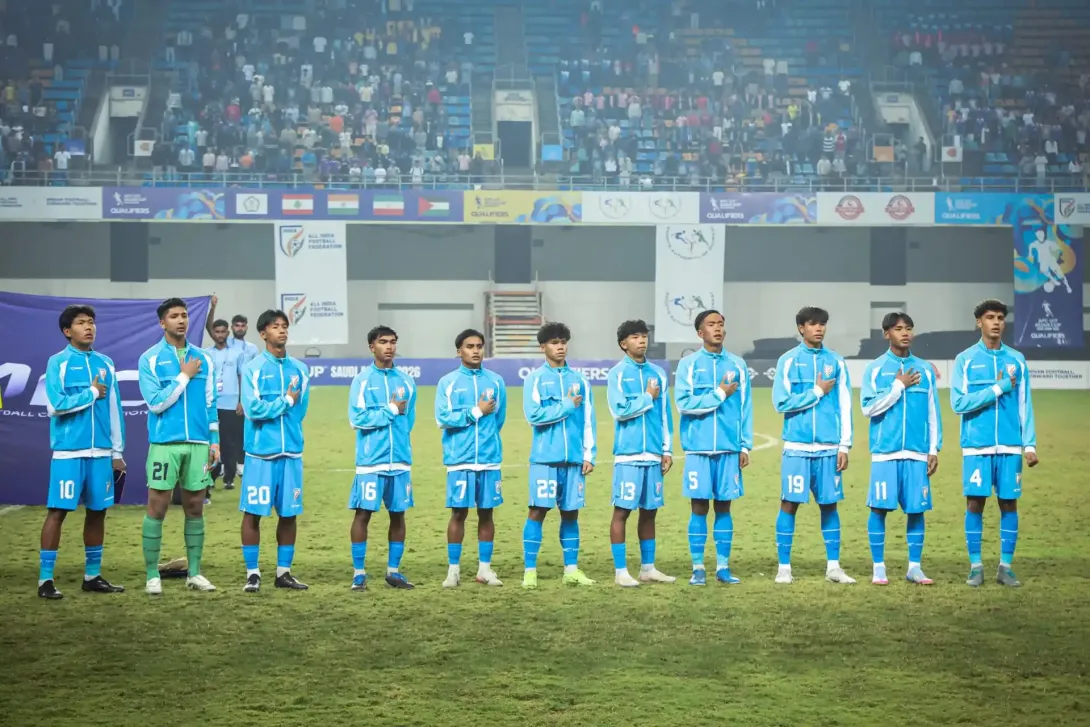
India’s U-17 football team is entering a critical preparatory phase ahead of the AFC U-17 Asian Cup, leveraging closed-door international friendlies to sharpen tactics and evaluate squad readiness. With limited exposure at the youth level, these fixtures serve as a vital mechanism to simulate competitive intensity and refine team combinations. Drawn into a challenging group featuring established footballing nations, India faces a demanding pathway in the continental tournament. The preparatory approach reflects a broader shift toward structured development in Indian football, emphasizing long-term performance outcomes, talent assessment, and strategic alignment with global standards.
A Strategic Build-Up Through Controlled Exposure
India’s U-17 football program is adopting a calculated approach to preparation, scheduling international friendlies behind closed doors to optimize performance outcomes. These matches, though not open to public view, are designed to provide a controlled environment where coaching staff can experiment with formations, test tactical variations, and assess player adaptability.
For a developing football ecosystem, such fixtures are critical. They allow teams to replicate match conditions without the external pressures of spectators and media scrutiny, thereby enabling a more analytical and performance-driven evaluation process.
Limited Exposure, High Stakes
At the youth level, opportunities for consistent international competition remain limited for India. As a result, each friendly carries disproportionate importance in shaping team readiness. These matches function as both a diagnostic tool and a rehearsal platform, helping identify gaps in fitness, coordination, and decision-making.
From a sports management perspective, this approach reflects efficient resource utilization. Instead of relying solely on domestic competitions, the focus is on targeted exposure against quality opposition—an essential factor in accelerating player development and bridging the gap with elite footballing nations.
The Asian Cup Challenge Ahead
India’s placement in Group D of the AFC U-17 Asian Cup underscores the scale of the challenge ahead. The team is set to face Australia, Uzbekistan, and North Korea—all nations with structured youth development systems and a strong track record in age-group competitions.
The tournament, scheduled in Jeddah, will test India’s tactical discipline, physical endurance, and mental resilience. For the Blue Colts, navigating this group will require not only technical proficiency but also strategic execution under pressure.
Building a Competitive Youth Ecosystem
The emphasis on structured preparation reflects a broader transformation within Indian football’s developmental framework. Increasingly, there is recognition that success at the senior level is intrinsically linked to the strength of youth systems.
Investments in coaching, analytics, and international exposure are gradually reshaping the landscape. These efforts aim to create a pipeline of players capable of competing at higher levels, thereby enhancing the overall competitiveness of Indian football.
From a financial standpoint, improved performance at youth tournaments can elevate the sport’s commercial appeal, attracting sponsorships, broadcasting interest, and institutional support.
Tactical Refinement and Player Assessment
Closed-door friendlies also serve as a platform for detailed player evaluation. Coaching staff can monitor individual performance metrics, experiment with positional roles, and identify optimal combinations without the constraints of tournament pressure.
Such an approach aligns with global best practices, where data-driven decision-making plays a central role in team selection and strategy formulation. For India, adopting these methods is crucial to narrowing the performance gap with established footballing nations.
Conclusion: Preparation as a Competitive Advantage
As India approaches the AFC U-17 Asian Cup, the focus on strategic preparation reflects a maturing football ecosystem. While the challenges in Group D are formidable, the emphasis on structured friendlies and performance analysis provides a foundation for competitive resilience.
In modern sport, preparation is often the differentiator between participation and performance. For India’s U-17 team, these preparatory matches represent more than just practice—they are a calculated investment in future success on the continental stage.
Comments