A formal complaint by Paralympic champion Sumit Antil against coach Naval Singh has brought issues of athlete welfare and institutional accountability into sharp focus. Backed by Olympic gold medallist Neeraj Chopra, Antil has alleged mental harassment and verbal abuse, prompting a response from the Sports Authority of India. While SAI acknowledged the complaint, it clarified that the coach was engaged by the Athletics Federation of India. The episode raises broader concerns around governance frameworks, contractual accountability, and athlete protection mechanisms in India’s high-performance sports ecosystem.
Allegations Bring Athlete Welfare into Spotlight
The complaint filed by Sumit Antil marks a significant development in Indian athletics, drawing attention to the psychological and professional challenges faced by elite спортсменs. Antil, a Paralympic gold medallist, has alleged mental harassment and verbal misconduct by coach Naval Singh.
Such allegations, particularly from an athlete of Antil’s stature, underscore the urgent need for robust safeguarding mechanisms within India’s sports infrastructure.
Institutional Response and Jurisdictional Complexity
The Sports Authority of India confirmed receipt of the complaint but clarified that the coach in question is not directly employed by the organization. Instead, Naval Singh was reportedly engaged by the Athletics Federation of India as part of a national coaching setup.
This distinction highlights a recurring governance challenge in Indian sports—fragmented accountability across institutions. The overlapping roles of federations and government bodies often complicate the resolution of disputes.
Endorsement Amplifies the Issue
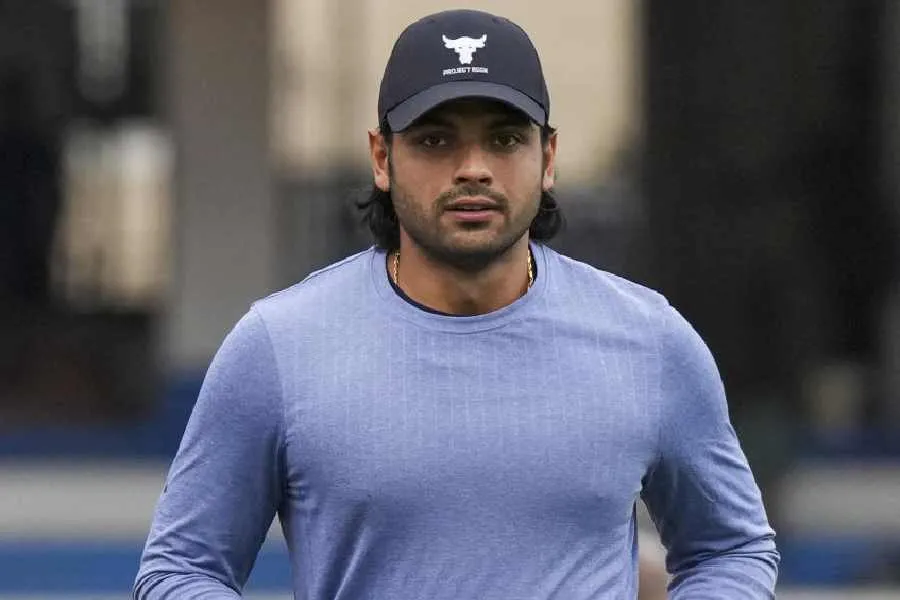
Support from Neeraj Chopra adds significant weight to the matter. As one of India’s most prominent athletes, Chopra’s endorsement brings greater visibility and credibility to the concerns raised.
His involvement reflects a growing trend of спортсмен solidarity, where leading figures are increasingly willing to advocate for improved conditions and transparency within the system.
Governance and Risk Management in Sports Administration
From a governance perspective, the incident exposes gaps in oversight and risk management. In high-performance sports, where athletes operate under intense pressure, safeguarding mental well-being is as critical as physical training.
The absence of clear accountability frameworks can lead to reputational risks for governing bodies. For organizations like the Sports Authority of India and the Athletics Federation of India, such cases highlight the importance of establishing transparent grievance redressal mechanisms.
Broader Implications for Indian Sports Ecosystem
The controversy arrives at a time when India is активно investing in sports excellence and global competitiveness. Incidents of alleged misconduct risk undermining these efforts by raising questions about athlete support systems.
Ensuring a safe and professional environment is not only an ethical imperative but also a strategic necessity. Athletes’ trust in the system directly influences performance outcomes and long-term talent retention.
Conclusion
The allegations raised by Sumit Antil against Naval Singh have opened a critical conversation around accountability and athlete welfare in Indian sports. With backing from Neeraj Chopra, the issue has gained national prominence, compelling institutions to reassess their governance frameworks. As India continues its pursuit of sporting excellence, strengthening oversight, transparency, and athlete-centric policies will be essential to sustaining both performance and credibility on the global stage.
Comments