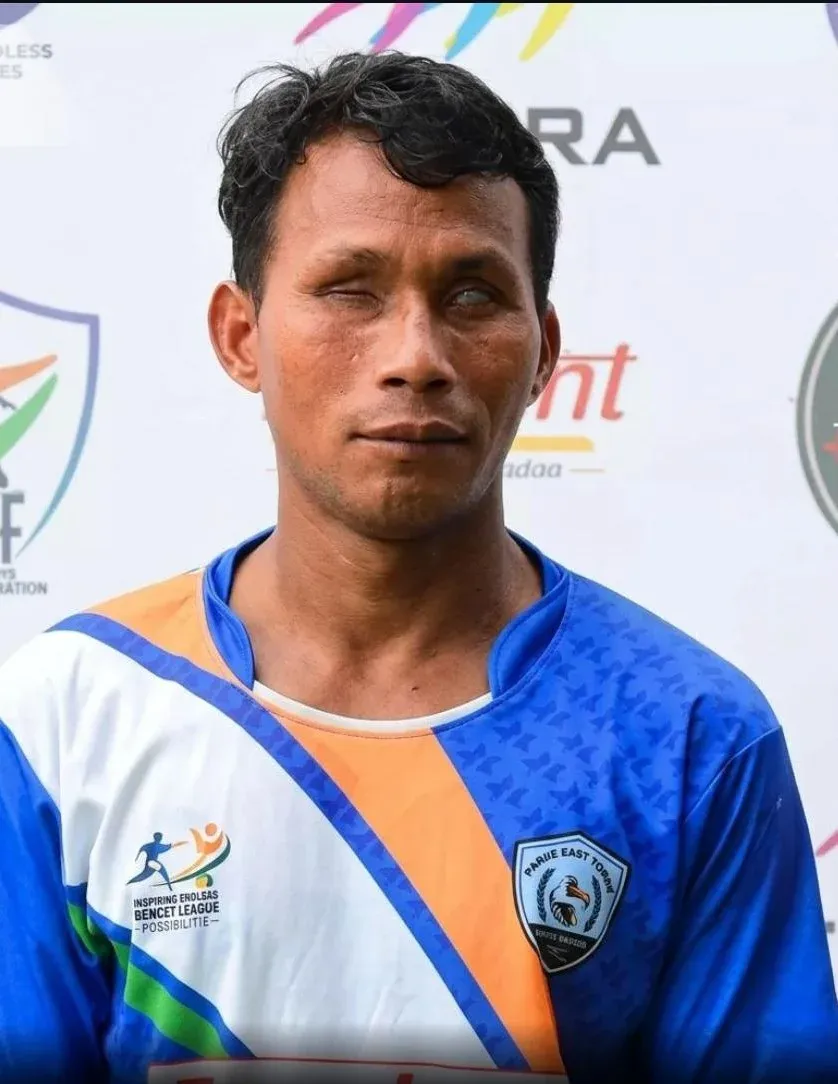
Emerging as a standout figure in India’s para-sports landscape, Marak has combined individual brilliance with team success to elevate the profile of blind football. A recipient of the Kiang Nangbah Award in 2023, he gained national attention with a remarkable hat-trick against Uzbekistan and played a decisive role in securing Meghalaya’s fourth national title. Competing in a demanding five-a-side format that relies on auditory precision and coordinated guidance, Marak’s performances highlight both technical mastery and mental discipline. His journey underscores the growing competitiveness and commercial potential of disability sports in India’s evolving sporting ecosystem.
A Decorated Athlete with Consistent Impact
Marak has steadily built a reputation as one of the most impactful players in Indian blind football. His recognition with the Kiang Nangbah Award in 2023 reflects sustained excellence and contribution to the sport at both state and national levels.
His standout performance against Uzbekistan last year, where he netted a hat-trick, marked a defining moment in his career. It not only demonstrated his scoring ability but also highlighted his capacity to perform under pressure in international settings.
Driving Meghalaya’s Continued Dominance
Marak’s influence extends beyond individual accolades. He played a pivotal role in leading Meghalaya to its fourth national blind football title, reinforcing the state’s dominance in the discipline. His ability to combine attacking precision with tactical awareness has made him a central figure in the team’s sustained success.
Such performances also point to a well-structured training ecosystem within the region, where talent identification and development are increasingly aligned with competitive outcomes.
Understanding the Dynamics of Blind Football
Blind football, a specialized five-a-side format, demands a unique blend of sensory adaptation and teamwork. All outfield players are blindfolded, relying entirely on auditory cues—primarily the sound of a bell embedded within the ball—to navigate play.
The sport incorporates a coordinated support system involving three sighted guides: a goalkeeper, a goal guide stationed behind the opposition net, and a coach on the sidelines. These individuals provide directional instructions, enabling players to maintain spatial awareness and execute strategies effectively.
Skill, Strategy, and Cognitive Precision
Success in blind football hinges on more than physical ability. Players must develop heightened auditory perception, spatial memory, and rapid decision-making skills. Marak’s gameplay exemplifies these attributes, combining sharp instincts with disciplined positioning.
His ability to interpret auditory signals and translate them into precise movements reflects a high level of cognitive training—an often underappreciated aspect of the sport.
Expanding the Economic and Social Value of Para Sports
Marak’s rise comes at a time when para sports in India are gaining increased visibility and institutional support. Success stories such as his contribute to expanding sponsorship opportunities, attracting media attention, and encouraging investment in inclusive sports infrastructure.
From a broader economic perspective, the growth of disability sports represents an untapped market with significant potential for audience engagement and brand partnerships. Athletes like Marak are not only competitors but also ambassadors for a more inclusive sporting ecosystem.
Conclusion
Marak’s achievements in blind football reflect a compelling narrative of skill, resilience, and strategic excellence. His contributions to Meghalaya’s success and his individual milestones underscore the evolving competitiveness of para sports in India. As awareness and investment continue to grow, athletes like him will play a crucial role in shaping the future of inclusive sports—where performance and opportunity go hand in hand.
Comments