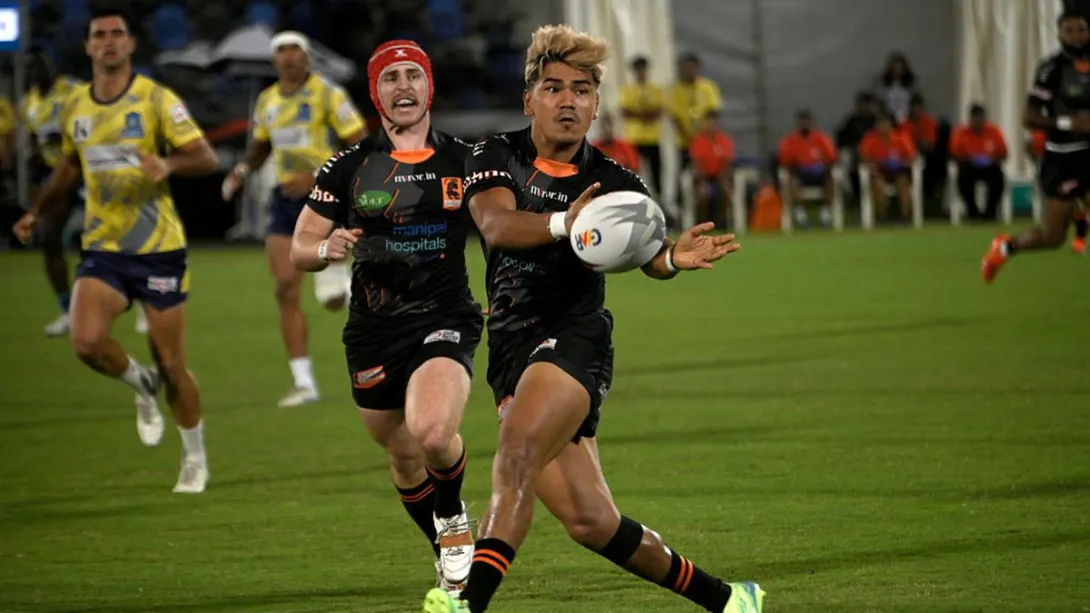
India’s franchise-based sports ecosystem is entering a new phase of expansion, with leading men’s teams extending operations into women’s leagues. Four established franchises—Chennai Bulls, Delhi Redz, Mumbai Dreamers, and Kolkata Banga Tigers—have confirmed plans to field women’s teams, reflecting a broader shift toward gender-inclusive sports investments. Backed by corporate entities such as Dream Sports and RMZ Corp, the move highlights growing commercial confidence in women’s sport, with implications for sponsorship, media rights, and long-term market development.
Franchise Expansion Signals Structural Shift
India’s evolving sports economy is witnessing a strategic pivot as established men’s franchises expand into women’s competitions. This transition is not merely symbolic; it represents a calculated investment in an underpenetrated yet rapidly growing segment.
Teams such as Chennai Bulls, Delhi Redz, Mumbai Dreamers, and Kolkata Banga Tigers are leveraging their existing operational frameworks—branding, fan engagement, and management expertise—to build competitive women’s squads. The move aligns with global trends, where integrated franchise models have driven exponential growth in women’s sports viewership and valuation.
Corporate Ownership and Capital Backing
A notable aspect of this expansion is the involvement of corporate-backed ownership groups. The Chennai Bulls operate under Avid Sys Sports, while Delhi Redz are supported by RMZ Corp. Mumbai Dreamers are owned by Dream Sports, a major player in India’s digital sports ecosystem, and Kolkata Banga Tigers are backed by Hunch Ventures.
This institutional backing is critical. It ensures access to capital, professional management, and long-term strategic planning—factors that have historically been inconsistent in women’s sports development.
For investors, the expansion offers an opportunity to diversify portfolios within the sports sector while aligning with ESG (Environmental, Social, and Governance) considerations, particularly gender inclusion.
Relocation and Rebranding: A Strategic Realignment
The transformation of the Kolkata Banga Tigers underscores the dynamic nature of franchise positioning. Previously known as Kalinga Black Tigers and based in Bhubaneswar, the team has relocated to Kolkata, reflecting a strategic shift toward larger markets with stronger commercial ecosystems.
Relocation decisions in franchise sports are typically driven by factors such as audience base, sponsorship potential, and infrastructure readiness. Kolkata’s rich sporting culture and established fan base make it an attractive destination for long-term growth.
Women’s Sport as a Commercial Frontier
The decision to introduce women’s teams is rooted in more than developmental intent—it is a recognition of emerging commercial viability. Globally, women’s sports have seen rising broadcast valuations, increased sponsorship interest, and expanding fan engagement.
In India, this trajectory is gaining momentum. The integration of women’s teams within existing franchise structures reduces entry barriers and accelerates market development. Shared resources—training facilities, marketing platforms, and administrative systems—enhance operational efficiency while boosting visibility.
For brands, women’s leagues offer a relatively untapped space with high engagement potential and evolving narratives, making them attractive for targeted marketing strategies.
Implications for the Sports Economy
The expansion into women’s teams is likely to have a multiplier effect across the sports value chain. Key impacts include:
- Increased sponsorship inflows driven by new inventory and audience segments
- Enhanced media rights value as broadcasters diversify content offerings
- Talent pipeline development, strengthening grassroots and elite-level competition
- Job creation across coaching, management, and support roles
From a macroeconomic perspective, this shift contributes to the formalization and professionalization of India’s sports industry.
Conclusion: A Turning Point for Inclusive Growth
The decision by leading franchises to invest in women’s teams marks a pivotal moment in Indian sport. It reflects a convergence of commercial logic and social progress, where inclusivity is no longer peripheral but central to growth strategies.
As these teams take shape, their success will depend on sustained investment, competitive balance, and effective storytelling to engage audiences. If executed well, this expansion could redefine the contours of India’s sports economy—transforming women’s sport from a developmental initiative into a mainstream commercial powerhouse.
Comments