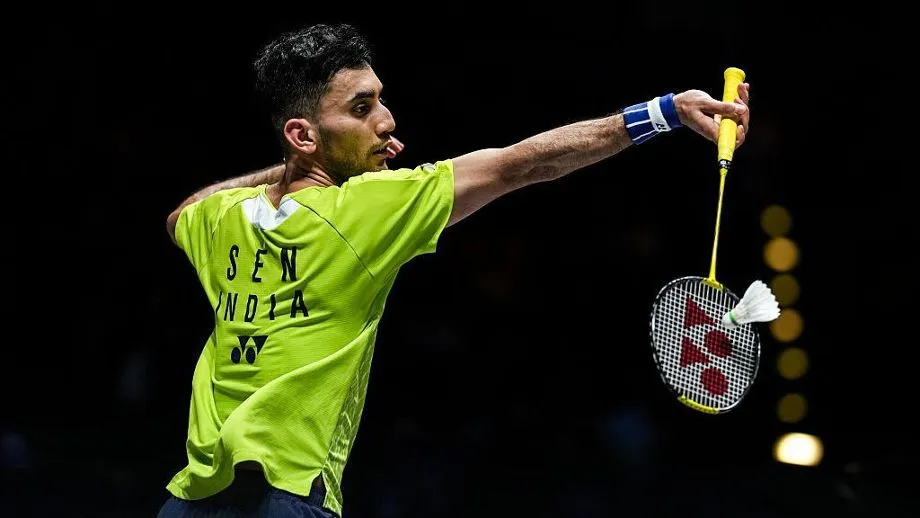
India’s sporting calendar in 2026 represents a pivotal moment in the nation’s athletic evolution, marked by an intense schedule and participation in major global events. With the Commonwealth Games, Asian Games, and two prestigious Chess World Championships on the horizon, the year underscores India’s expanding influence in international sports. April, in particular, emerges as a high-octane month filled with competitions across disciplines. Amid this dynamic environment, platforms like ESPN play a critical role in delivering timely updates, ensuring fans and stakeholders remain informed in an increasingly fast-paced sporting ecosystem.
A Landmark Year for Indian Sports
The year 2026 is shaping up to be a watershed moment for Indian sports, driven by both scale and significance. Participation in marquee global competitions such as the Commonwealth Games and the Asian Games signals not only India’s competitive aspirations but also its growing stature as a sporting powerhouse. These events offer Indian athletes an opportunity to benchmark themselves against elite international talent, while also serving as a platform for national pride and commercial growth.
Simultaneously, the hosting and participation in two Chess World Championships reflect India’s deepening footprint in intellectual sports. With the country already producing world-class grandmasters, this dual presence reinforces India’s dominance in the global chess arena and highlights the diversification of its sporting strengths beyond traditional disciplines.
April: A Month of Intense Sporting Activity
April stands out as one of the busiest months in the Indian sporting calendar, characterized by a dense schedule of tournaments, leagues, and international fixtures. The concentration of events across sports—ranging from cricket and badminton to athletics and chess—creates a vibrant yet demanding environment for athletes, administrators, and fans alike.
This period exemplifies the challenges of modern sports consumption, where overlapping events can dilute attention and make it difficult for audiences to track key developments. For stakeholders, including sponsors and broadcasters, April represents both an opportunity and a logistical challenge in maximizing visibility and engagement.
The Role of Sports Media in a Saturated Ecosystem
In an era defined by information overload, curated sports coverage has become indispensable. Platforms such as ESPN’s daily Indian sports blog serve as centralized hubs for news, scores, schedules, and expert commentary. By aggregating diverse updates into a single, accessible format, such platforms enhance the fan experience and ensure that critical developments do not go unnoticed.
From a business perspective, this aggregation model aligns with broader trends in digital media consumption, where audiences increasingly favor concise, real-time updates over fragmented information sources. It also underscores the growing monetization potential of sports content, driven by advertising, subscriptions, and data analytics.
Strategic Implications for Indian Sports
The convergence of high-profile events in 2026 carries significant implications for India’s sports economy. Increased participation in global competitions is likely to attract higher sponsorship investments, boost broadcasting revenues, and stimulate grassroots development initiatives. Moreover, consistent exposure to international competition can accelerate performance standards, fostering a culture of excellence across disciplines.
However, this rapid expansion also necessitates robust infrastructure, effective scheduling, and strategic resource allocation. Without these, the risk of athlete burnout and operational inefficiencies could undermine long-term progress.
Conclusion: Momentum with Responsibility
India’s sporting narrative in 2026 is one of ambition, scale, and opportunity. The packed calendar—highlighted by global tournaments and an action-filled April—signals a nation in transition, eager to assert itself on the world stage. Yet, sustaining this momentum will require careful planning, investment, and a balanced approach to athlete welfare.
As fans navigate this exhilarating yet complex landscape, reliable coverage and thoughtful analysis will remain essential. In this context, the role of structured, insightful sports journalism becomes not just relevant, but indispensable to the continued growth of Indian sports.
Comments