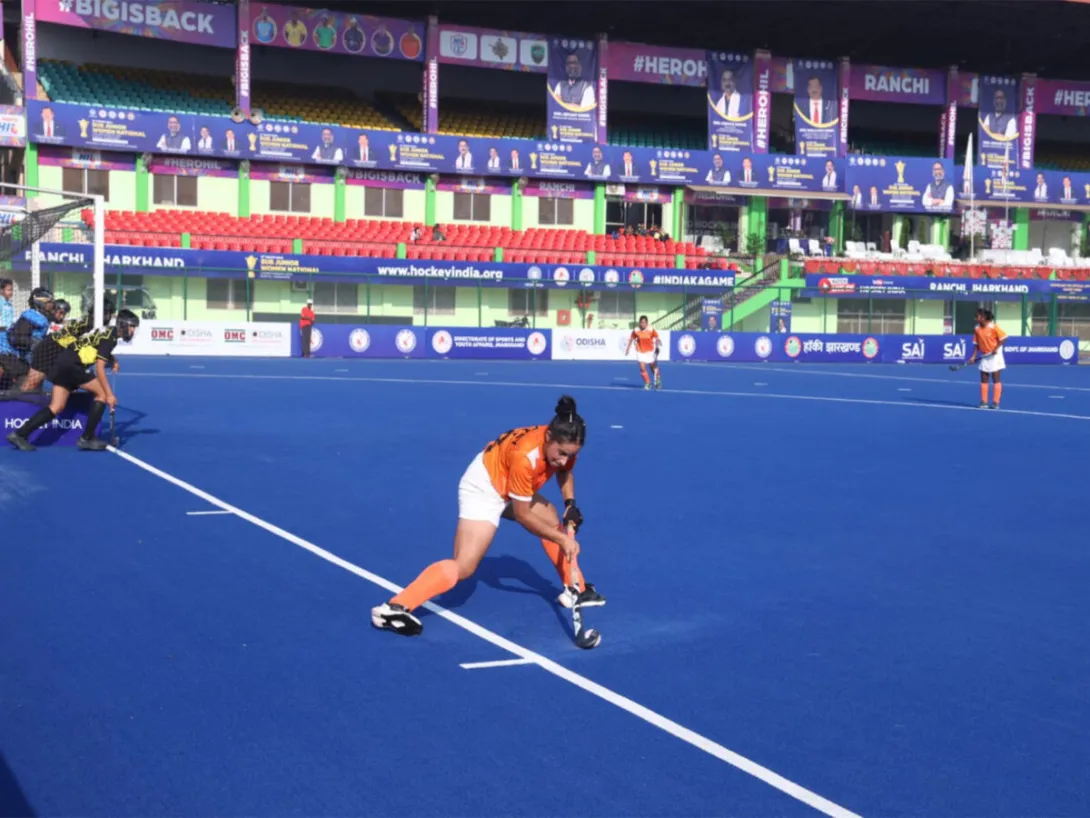
Sixteen-year-old Akshra Dutta’s selection for the national U-18 hockey coaching camp marks a significant milestone, not only for her personal journey but also for talent development in remote regions of India. Hailing from Poonch, a district near the Line of Control in Jammu and Kashmir, her achievement underscores the expanding reach of structured sports programs. Her inclusion in Hockey India’s training camp at a Sports Authority of India facility highlights the role of institutional frameworks in identifying and nurturing grassroots talent across geographically and economically challenging regions.
Emerging Talent from India’s Frontier Regions
Akshra Dutta’s ascent represents a broader shift in India’s sporting narrative—one that increasingly recognizes talent emerging from geographically isolated and socio-politically sensitive regions. Originating from Poonch, located in close proximity to the Line of Control, her journey reflects both resilience and the gradual penetration of sports infrastructure into underserved areas.
Historically, such regions have faced constraints ranging from limited facilities to restricted exposure. Akshra’s progression to the national stage signals a change in this dynamic, driven by targeted outreach and talent identification initiatives.
Institutional Pathways and Talent Identification
Her selection for the U-18 National Coaching Camp organized by Hockey India is indicative of a more structured and meritocratic scouting system. The camp, hosted at a Sports Authority of India center in Bhopal, serves as a critical pipeline for grooming future national players.
Such programs are designed to provide young athletes with access to high-performance coaching, sports science support, and competitive exposure. In economic terms, they represent strategic investments in human capital, aimed at delivering long-term returns in the form of international success and enhanced sporting reputation.
The Economics of Opportunity in Indian Sports
Akshra’s journey also underscores the importance of equitable access to opportunity. For athletes from remote districts, the cost of entry into professional sports—both financial and logistical—can be prohibitively high. Institutional support, therefore, acts as a leveller, enabling merit-based progression irrespective of geography.
This democratization of access aligns with broader policy objectives to expand India’s talent pool. By integrating athletes from diverse regions, the sports ecosystem not only becomes more inclusive but also more competitive, enhancing overall performance standards.
Strategic Implications for Grassroots Development
The emergence of players like Akshra highlights the effectiveness of grassroots development programs in unlocking untapped potential. Investments in training infrastructure, scouting networks, and regional academies are beginning to yield measurable outcomes.
For policymakers and stakeholders, the focus must now shift toward scalability and sustainability. Ensuring consistent funding, improving local facilities, and fostering community engagement will be critical in maintaining this upward trajectory.
Conclusion: A Story Beyond Sport
Akshra Dutta’s selection is more than an individual achievement—it is a reflection of systemic progress within Indian sports. Her journey from a border district to a national training camp illustrates the transformative power of structured opportunity and institutional support.
As India continues to expand its sporting ambitions, stories like hers serve as both validation and inspiration. They reaffirm that with the right investments and inclusive policies, talent from even the most remote corners can find its place on the national and global stage.
Comments