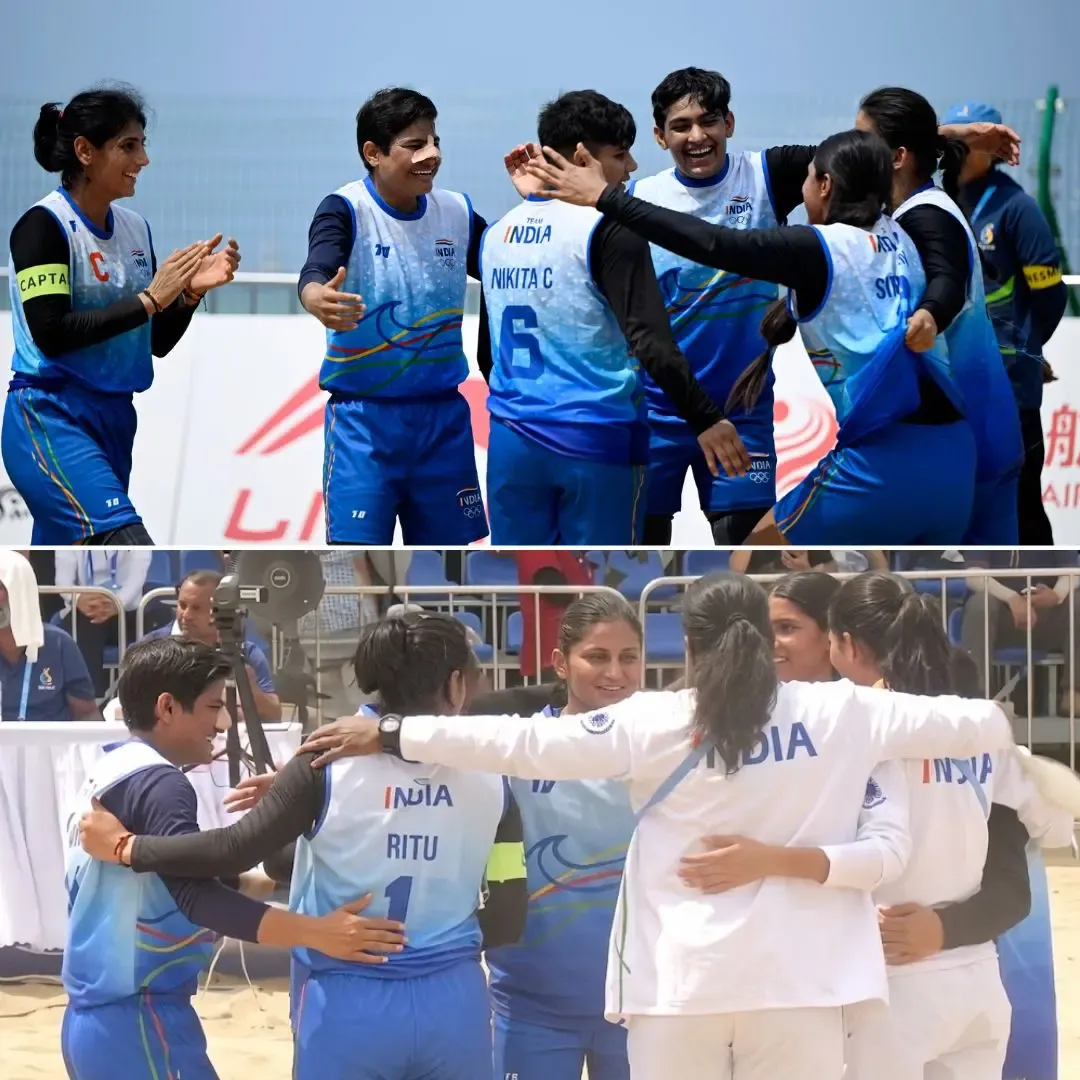
India’s women’s beach kabaddi team extended its dominance on the continental stage by clinching a sixth consecutive gold medal at the Asian Beach Games 2026 in Sanya. With a commanding 47–31 victory over Sri Lanka in the final, the team reinforced its supremacy in the discipline. The achievement reflects not only athletic excellence but also the growing strategic value of niche sports within India’s broader sports economy, where consistent international success is increasingly translating into enhanced visibility, sponsorship potential, and long-term investment opportunities.
Sustained Excellence on the Continental Stage
India’s triumph at the Asian Beach Games marks a continuation of an extraordinary winning streak in women’s beach kabaddi. Securing a sixth consecutive title underscores the team’s technical superiority, tactical discipline, and depth of talent.
The 47–31 scoreline against Sri Lanka in the final highlights a decisive performance, reflecting both offensive efficiency and defensive cohesion. Such consistent outcomes are rarely accidental; they are the product of structured training systems, institutional backing, and a culture of high performance.
Strategic Significance of Niche Sports
While kabaddi has long been embedded in India’s sporting identity, its beach variant represents an evolving segment with growing international relevance. Success in such formats enhances India’s reputation as a diversified sporting nation capable of excelling beyond mainstream disciplines.
From a business perspective, niche sports like beach kabaddi offer untapped commercial potential. Lower entry barriers, rising global interest, and strong regional dominance create opportunities for targeted sponsorships, media rights expansion, and grassroots engagement.
Economic Impact and Brand Value Creation
Sustained international success plays a critical role in shaping the economic trajectory of any sport. India’s dominance in beach kabaddi is likely to attract increased corporate interest, particularly from brands seeking association with winning teams and emerging markets.
The multiplier effect extends to merchandise sales, broadcasting deals, and event hosting opportunities. As visibility grows, so does the potential for monetization, positioning beach kabaddi as a viable contributor to India’s expanding sports economy.
Institutional Framework and Talent Development
The foundation of this success lies in a robust developmental framework supported by national federations and training programs. Consistent investment in coaching, athlete welfare, and competitive exposure has enabled the team to maintain its edge over regional rivals.
Moreover, the integration of sports science and data analytics into training regimes has enhanced performance optimization. Such advancements are critical in sustaining dominance, particularly as competing nations begin to invest more aggressively in the sport.
Conclusion: A Blueprint for Sustainable Sporting Success
India’s sixth consecutive gold medal in women’s beach kabaddi is more than a sporting milestone—it is a case study in strategic execution and long-term vision. The victory reinforces the importance of sustained investment, institutional support, and a clear competitive roadmap.
As India continues to diversify its sporting portfolio, the success of its beach kabaddi team offers valuable lessons. It demonstrates how consistent performance at the international level can translate into economic opportunity, global recognition, and a stronger foundation for future growth in the sports industry.
Comments