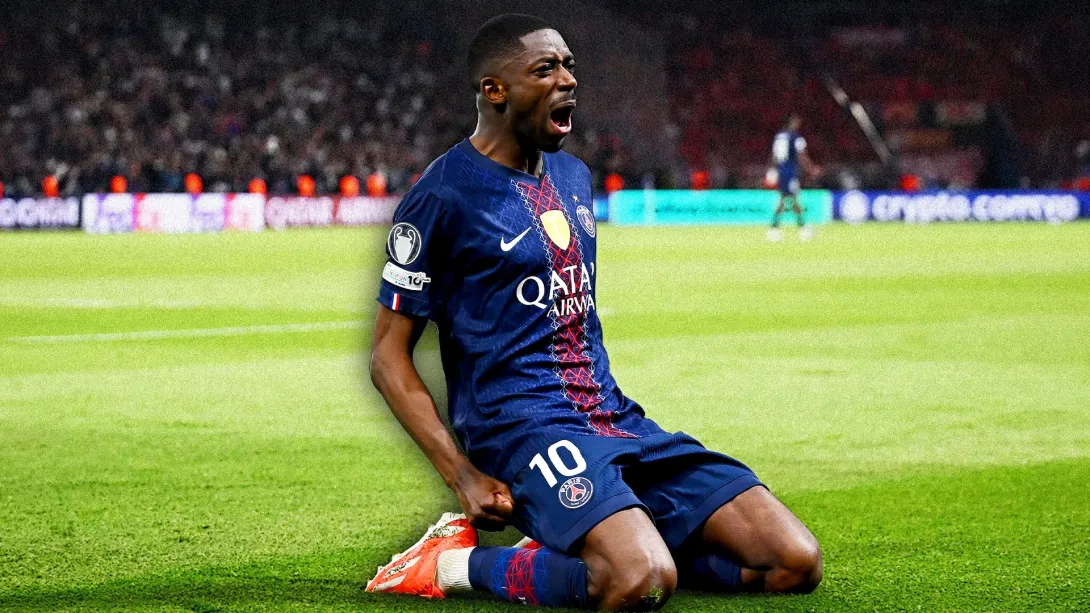
What began as a highly anticipated clash between two European powerhouses evolved into a breathtaking spectacle that underscored the commercial and competitive brilliance of elite football. The encounter between Paris Saint-Germain and Bayern Munich exceeded expectations, offering intensity, tactical depth, and emotional drama emblematic of the UEFA Champions League. Beyond the result, the match reinforced football’s unparalleled ability to captivate global audiences, drive broadcasting revenues, and elevate brand equity, solidifying its position as one of the most commercially powerful sporting products worldwide.
A Clash of Titans on Football’s Grandest Stage
Encounters between Paris Saint-Germain and Bayern Munich are rarely ordinary. Both clubs represent not only footballing excellence but also significant financial ecosystems backed by substantial investments and global fan bases.
This particular fixture, set within the high-stakes environment of the UEFA Champions League, carried the weight of expectation. Yet, what unfolded surpassed even the most optimistic projections, transforming a routine viewing into a defining sporting moment.
Tactical Brilliance Meets Emotional Intensity
From the opening whistle, the match showcased a blend of strategic sophistication and raw intensity. Bayern Munich’s structured pressing system clashed with PSG’s fluid attacking transitions, creating a dynamic contest that oscillated between control and chaos.
Such encounters highlight the evolution of modern football, where data analytics, player conditioning, and tactical innovation converge to produce high-quality competition. The result is a product that is not only entertaining but also intellectually engaging for analysts and enthusiasts alike.
The Economics of Spectacle
Matches of this magnitude extend far beyond the pitch. The UEFA Champions League is a multi-billion-rupee enterprise, driven by broadcasting rights, sponsorship deals, and global viewership.
A high-octane game between marquee clubs amplifies these economic drivers. Increased viewership translates into higher advertising revenues, while the global visibility enhances the commercial value of both teams. For stakeholders—from broadcasters to sponsors—such nights represent peak returns on investment.
Fan Engagement and Global Reach
What sets football apart is its ability to create shared experiences across geographies. A match like PSG vs Bayern Munich becomes a global event, uniting millions of viewers in real time.
Digital platforms further amplify this engagement, with live commentary, social media interactions, and post-match analysis extending the lifecycle of the event. This interconnected ecosystem ensures that the impact of a single match resonates far beyond its 90 minutes.
Conclusion: More Than Just a Match
This encounter was not merely a football game; it was a demonstration of the sport’s enduring appeal and economic significance. It reminded audiences why the UEFA Champions League remains the pinnacle of club football.
For fans, it was an unforgettable night of drama and excitement. For the business of sport, it was a reaffirmation of football’s status as a global powerhouse—where emotion, competition, and commerce intersect to create moments that transcend the game itself.
Comments