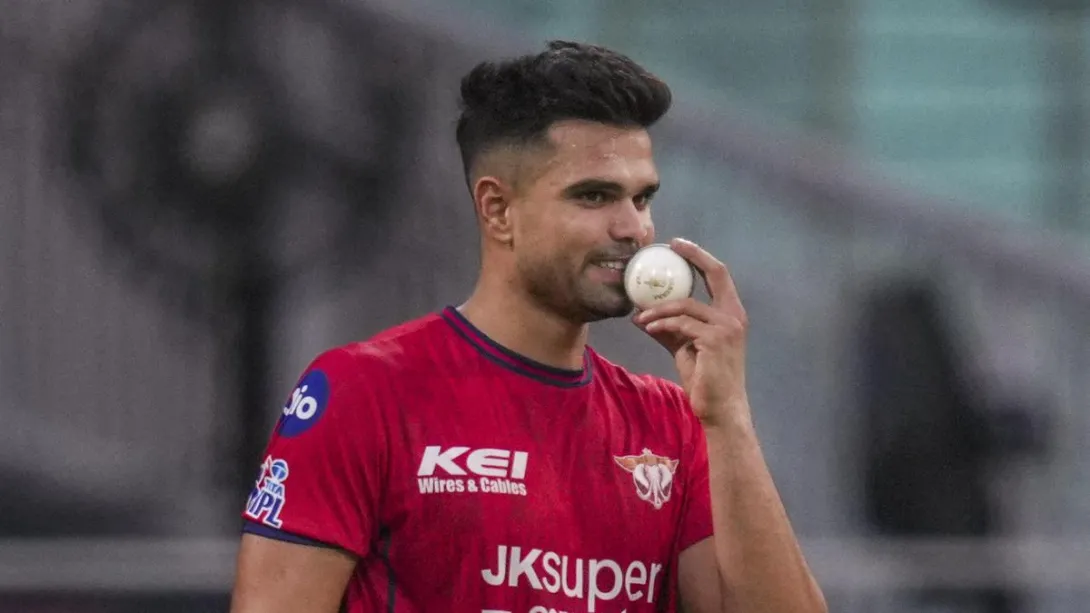
In a development that underscores the evolving flexibility of domestic cricket structures, wicketkeeper-batter Siddhant Addhatrao and all-rounder Arjun Tendulkar have been cleared to participate in the auction for the T20 Mumbai League. This comes despite their recent representation of Pondicherry and Goa in the domestic circuit. The decision reflects a broader trend toward regulatory adaptability, enabling players to access wider opportunities while enhancing the competitive depth and commercial appeal of regional franchise-based tournaments.
Regulatory Flexibility in Domestic Cricket
The inclusion of Siddhant Addhatrao and Arjun Tendulkar in the T20 Mumbai League auction pool signals a progressive shift in eligibility norms. Traditionally, domestic affiliations have played a decisive role in determining participation in regional leagues. However, recent developments indicate a more fluid framework, allowing players to explore opportunities beyond their primary domestic teams.
This regulatory adaptability is critical in modern cricket, where career mobility and exposure are increasingly valued. By broadening eligibility criteria, governing bodies are aligning with global trends that prioritize talent accessibility over rigid regional constraints.
Expanding Opportunities for Emerging Players
For players like Addhatrao and Tendulkar, entry into the T20 Mumbai League represents more than just participation—it is a platform for visibility and career acceleration. Franchise leagues offer high-intensity competition, media exposure, and opportunities to engage with experienced professionals.
From a developmental standpoint, such exposure can significantly enhance skill levels and market value. It also allows players to diversify their experience across different competitive environments, an increasingly important factor in modern cricket.
Commercial Implications for Regional Leagues
The inclusion of recognizable names, particularly Arjun Tendulkar, carries notable commercial implications. Franchise leagues thrive on a combination of competitive quality and marketability, and players with established profiles contribute to both.
Increased viewership, sponsorship interest, and ticket sales often follow the participation of high-profile or emerging talents. For the T20 Mumbai League, this development is likely to strengthen its brand positioning and attract greater investment, reinforcing its role within India’s broader cricket economy.
Balancing Competition and Regulation
While expanded eligibility enhances opportunity, it also raises questions about competitive balance and regulatory consistency. Ensuring that such policies are applied transparently and equitably will be essential in maintaining the integrity of the league.
For administrators, the challenge lies in striking a balance between inclusivity and fairness, ensuring that local talent continues to receive adequate representation while accommodating external participants.
Conclusion: A Step Toward a More Dynamic Ecosystem
The decision to allow Siddhant Addhatrao and Arjun Tendulkar into the T20 Mumbai League auction pool reflects a maturing domestic cricket ecosystem—one that is increasingly adaptive, inclusive, and commercially aware.
As regional leagues continue to grow in prominence, such policy shifts will play a pivotal role in shaping their future. By fostering a more open and competitive environment, Indian cricket is positioning itself to maximize both talent development and economic potential in the years ahead.
Comments