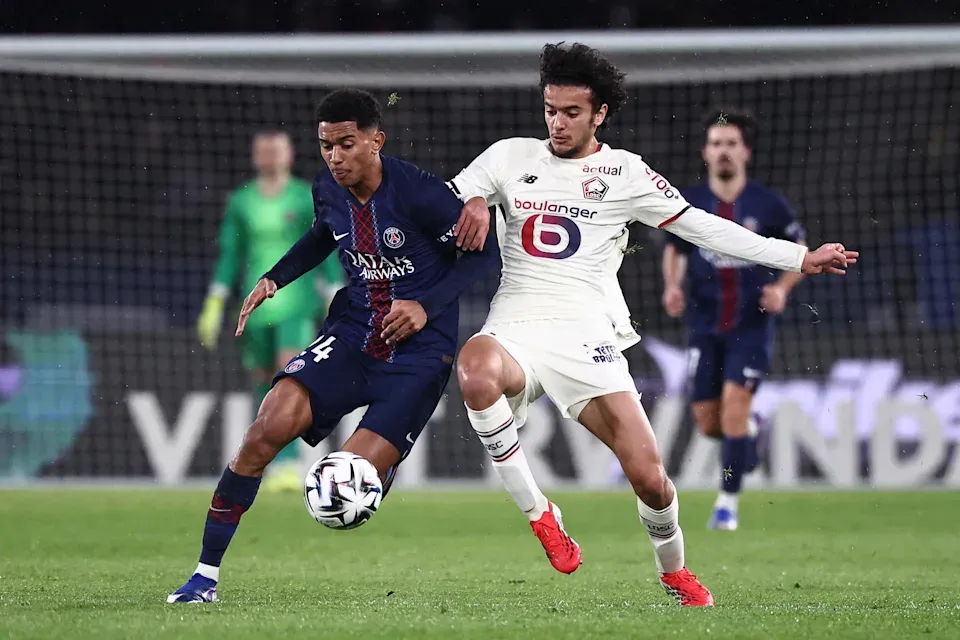
FC Bayern Munich continues to navigate the complexities of high-value transfers, as past investments in players such as João Palhinha, Corentin Tolisso, and Renato Sanches have yielded limited long-term returns. Despite committing significant financial resources, several acquisitions have struggled to meet expectations. However, reports suggest Bayern remain open to pursuing another marquee signing. This approach highlights the club’s continued willingness to leverage its financial strength while raising broader questions about transfer efficiency, squad planning, and the balance between ambition and sustainability in elite European football.
High-Value Transfers, Limited Long-Term Impact
Bayern Munich’s recent transfer history reflects a pattern of significant financial outlays that have not consistently translated into sustained on-field impact. Players including João Palhinha, Corentin Tolisso, Renato Sanches, Ryan Gravenberch, and Marcel Sabitzer were acquired for substantial eight-figure fees, signaling the club’s intent to reinforce key areas with top-tier talent.
However, a combination of injuries, tactical mismatches, and inconsistent form has limited their long-term contributions. This pattern underscores the inherent risks associated with high-value transfers, where financial investment does not always guarantee sporting returns.
Strategic Persistence Amid Setbacks
Despite these mixed outcomes, Bayern’s leadership appears undeterred in its pursuit of marquee signings. According to Abdellah Boulma, the club is actively considering another major acquisition, signaling confidence in its recruitment strategy and financial capacity.
This persistence reflects a broader philosophy among elite clubs: maintaining competitive advantage often requires continuous investment, even in the face of prior inefficiencies. Bayern’s willingness to re-enter the high-stakes transfer market illustrates its ambition to remain at the forefront of European football.
Financial Implications and Risk Management
From a business perspective, repeated investments in underperforming assets raise questions about capital allocation and return on investment. Transfer fees, wages, and associated costs represent significant financial commitments, making strategic accuracy essential.
However, Bayern’s strong commercial foundation—driven by sponsorships, broadcasting revenues, and global brand equity—provides a buffer that allows for calculated risk-taking. The club’s financial resilience enables it to absorb occasional missteps without compromising overall stability.
Balancing Ambition with Sustainability
The challenge for Bayern lies in striking a balance between aggressive squad reinforcement and sustainable growth. While marquee signings can enhance competitive prospects and commercial appeal, they also require careful integration into the team’s tactical framework.
Improved scouting, data-driven recruitment, and alignment between management and coaching staff will be critical in optimizing future transfer outcomes. Lessons from past acquisitions could inform a more refined approach moving forward.
Outlook: A Calculated Gamble Continues
As Bayern Munich contemplates another high-profile signing, the decision will serve as a litmus test for its evolving transfer strategy. The club’s ability to convert financial investment into consistent performance will determine its competitive trajectory in both domestic and European competitions.
In a landscape defined by escalating transfer values and intense competition, Bayern’s approach reflects a calculated gamble—one that underscores the delicate interplay between financial power, strategic vision, and sporting success.
Comments